Canal Geomembrane
1. Significant Water Savings and Improved Water Delivery Efficiency
Traditional earthen channels suffer from seepage losses of as high as 20%–30%. By lining channels with geosynthetic liners (geomembranes), seepage can be reduced to less than 5%, increasing water conveyance efficiency to over 90%—particularly beneficial in arid and water-scarce regions.
2. Seepage and Erosion Resistance, Extended Channel Lifespan
Geomembranes form a continuous impermeable layer that effectively prevents water infiltration and erosion of the channel bed, avoiding soil loss and slope collapse. This extends the service life of channels by 30 to 50 years.
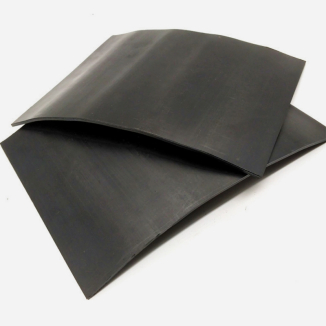
Canal Geomembrane is a specialized impermeable material used in water conservancy projects such as irrigation canals, diversion channels, and water transmission trunk canals. Made primarily from high-density polyethylene (HDPE), low-density polyethylene (LDPE), or polyvinyl chloride (PVC), it features extremely low permeability, high tensile strength, excellent aging resistance, chemical corrosion resistance, and good adaptability to deformation. It effectively reduces water leakage losses during conveyance, improves water resource utilization efficiency, and is widely applied in agricultural water conservancy, ecological water replenishment, urban water supply, and other engineering projects.

I. Core Features and Advantages
1. Significant Water Savings and Improved Water Delivery Efficiency
Traditional earthen channels suffer from seepage losses of as high as 20%–30%. By lining channels with geosynthetic liners (geomembranes), seepage can be reduced to less than 5%, increasing water conveyance efficiency to over 90%—particularly beneficial in arid and water-scarce regions.
2. Seepage and Erosion Resistance, Extended Channel Lifespan
Geomembranes form a continuous impermeable layer that effectively prevents water infiltration and erosion of the channel bed, avoiding soil loss and slope collapse. This extends the service life of channels by 30 to 50 years.
3. Suppression of Weed Growth, Reduced Maintenance Costs
The smooth, sealed membrane surface inhibits the growth of weeds on the channel bottom and sidewalls, reducing the frequency of desilting and lowering labor costs, making long-term operation and maintenance more efficient and cost-effective.
4. Ease of Construction and High Cost-Effectiveness
Compared to concrete lining, geomembranes are lightweight, easy to transport, and quick to install. The total cost—including materials and construction—can be reduced by 20%–40%, with a typical payback period of 3–5 years.

II. Typical Application Scenarios
1. Agricultural Irrigation Systems: Seepage prevention renovation of main canals, branch canals, and distributary canals to improve irrigation reliability
2. Ecological Water Diversion Projects: Seepage control design for wetland replenishment channels and river connectivity channels
3. Urban Water Supply Network Infrastructure: Raw water conveyance channels and connecting channels for regulating reservoirs
4. Saline-Alkali Land Remediation: Seepage isolation of alkali drainage channels to prevent groundwater backflow