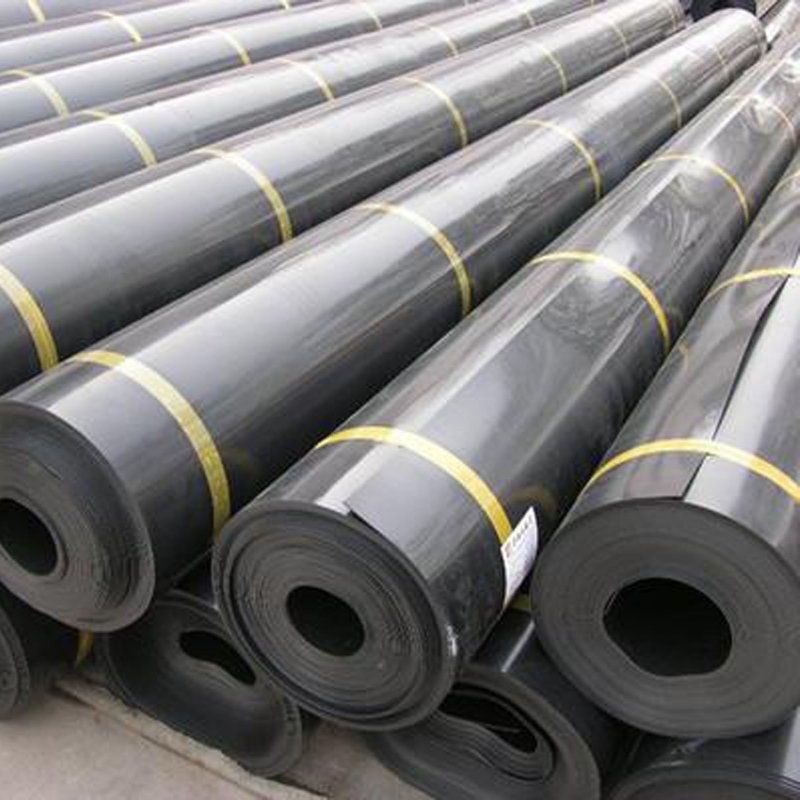


Aquaculture Geomembrane
1. Highly Efficient Seepage Prevention, Water Conservation, and Cost Reduction
Aquaculture geomembranes create a continuous impermeable layer that prevents water from seeping through the soil, reducing the frequency of water replenishment by 30%–50%. This is particularly critical in sandy or highly permeable soil areas.
2. Contamination Isolation and Water Quality Safety
· Effectively prevents harmful substances in the soil—such as heavy metals, pesticide residues, and pathogens—from entering the water, protecting fish health.
Aquaculture Geomembrane is a synthetic polymeric waterproofing material specifically designed for aquaculture environments. Made primarily from high-density polyethylene (HDPE), linear low-density polyethylene (LLDPE), or polyvinyl chloride (PVC), it exhibits excellent impermeability, corrosion resistance, anti-aging properties, and high elongation. It is widely used in aquaculture facilities such as fish ponds, shrimp ponds, sea cucumber ponds, and biogas slurry pools, effectively preventing water leakage, isolating contamination, improving water quality stability, and significantly enhancing aquaculture efficiency.

I. Core Functions and Benefits
1. Highly Efficient Seepage Prevention, Water Conservation, and Cost Reduction
Aquaculture geomembranes create a continuous impermeable layer that prevents water from seeping through the soil, reducing the frequency of water replenishment by 30%–50%. This is particularly critical in sandy or highly permeable soil areas.
2. Contamination Isolation and Water Quality Safety
· Effectively prevents harmful substances in the soil—such as heavy metals, pesticide residues, and pathogens—from entering the water, protecting fish health.
· Prevents aquaculture wastewater from seeping into and contaminating groundwater, meeting environmental protection standards and promoting the development of sustainable aquaculture.
3. Improved Farming Efficiency and Yield
· A stable aquatic environment facilitates better control of key parameters such as dissolved oxygen and pH levels, increasing fish and shrimp survival rates by 15–20% and boosting unit production by approximately 25%.
· The smooth pond bottom is easy to clean, reduces sludge accumulation, and lowers the frequency of pond desilting and the risk of disease outbreaks.
4. Extended Service Life and Reduced Maintenance Costs
· High-quality HDPE aquaculture liners can last 50–60 years, significantly exceeding the 3–5 year lifespan of traditional earthen ponds.
· With excellent puncture resistance and strong resistance to plant root penetration, these liners can operate reliably over the long term when used with a protective layer.

II. Typical Application Areas
· Fish farming: Intensive fish ponds, industrial recirculating aquaculture systems
· Shrimp and crab farming: Pond liners for Pacific white shrimp and Chinese mitten crab
· Specialty aquaculture: Slope protection for sea cucumber ponds, soft-shelled turtle ponds, frog farming pools
· Livestock and poultry wastewater treatment: Seepage prevention and isolation in sedimentation tanks and biogas slurry pools
· Agricultural water storage: Seepage prevention in irrigation reservoirs and drinking water tanks