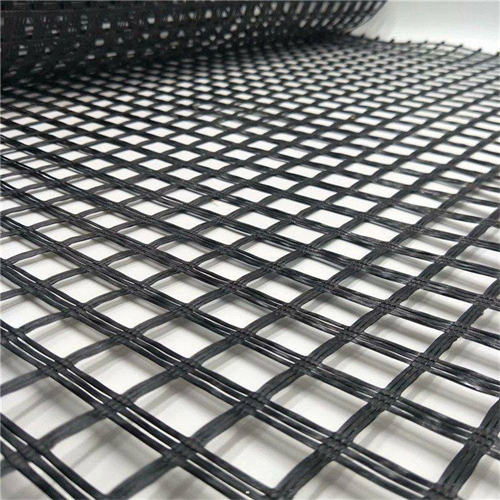
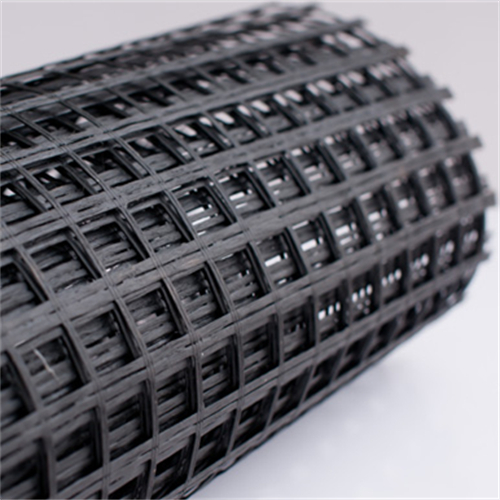
Fiberglass Geogrid for Pavement
It plays a core role in asphalt pavement structural layers and possesses the following key characteristics:
·High tensile strength and low elongation: The breaking strength in both the warp and weft directions can reach 25–200 kN/m, with a breaking elongation ≤3%. It exhibits almost no long-term creep and can sustain loads stably over time.
·Heat resistance and anti-aging properties: It can withstand asphalt paving temperatures of 160–180 °C, operates reliably within a temperature range of -50 °C to 80 °C, resists acid and alkali corrosion, and has a service life exceeding 30 years.
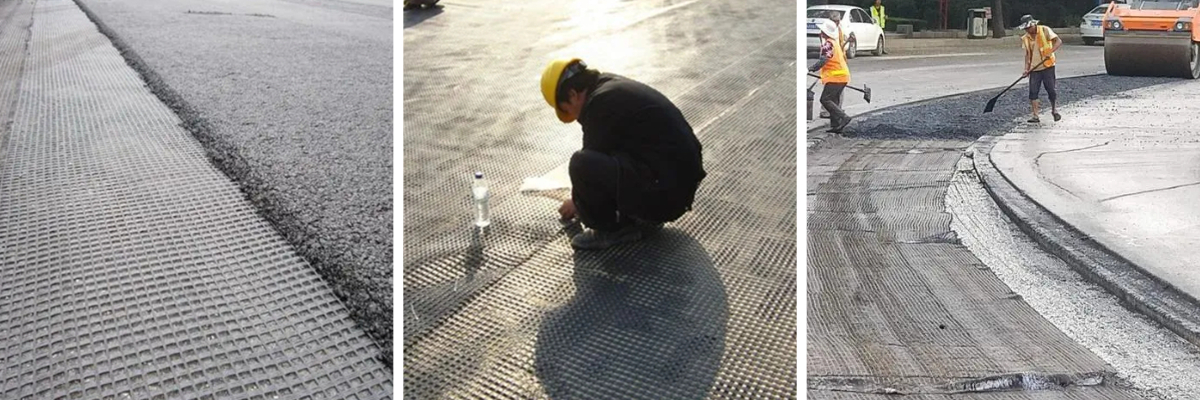
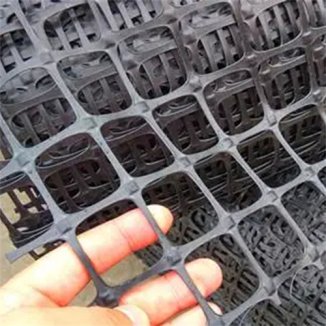
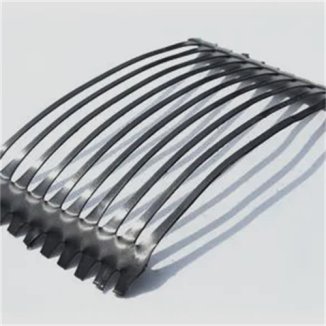
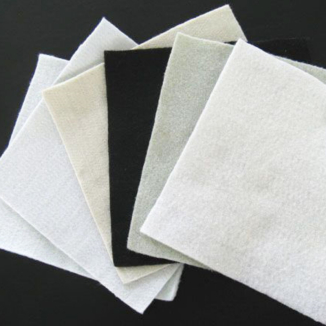
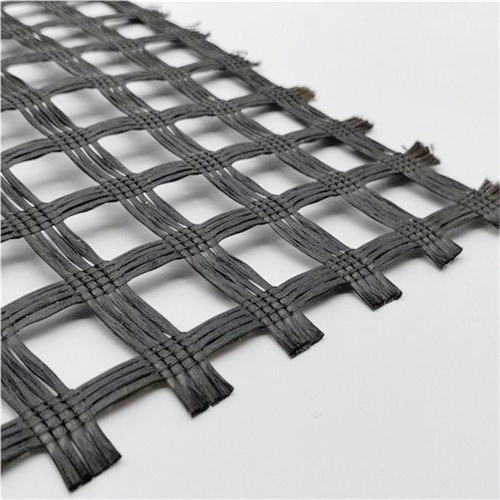
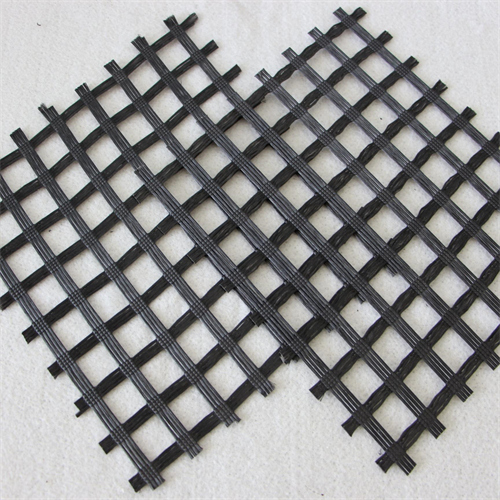
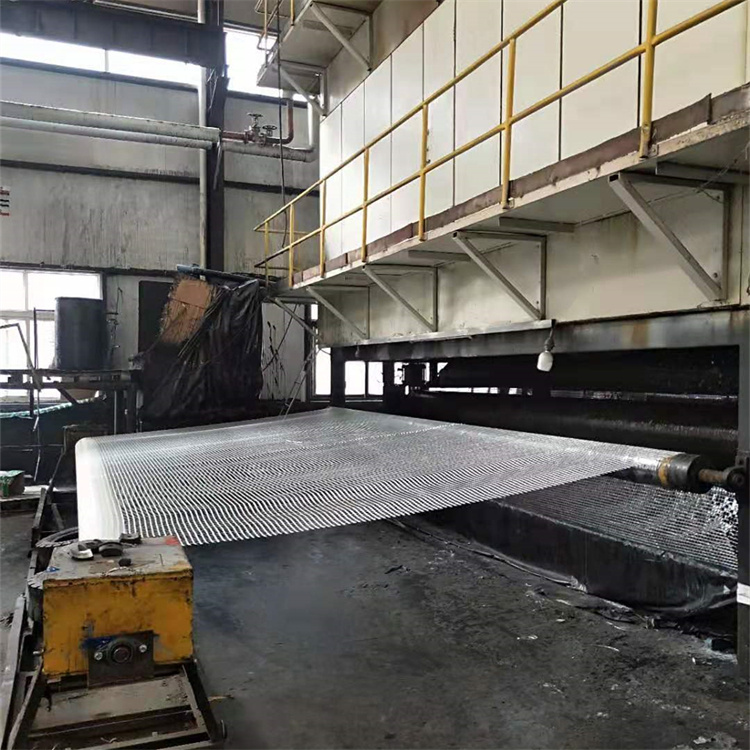
Fiberglass Geogrid for Pavement is a high-performance geosynthetic material specifically designed for road engineering applications. It is made from high-strength, alkali-free glass fibers as the base material, which are weaved into a mesh structure using a warp-knitted directional process, and then coated with modified asphalt or self-adhesive pressure-sensitive adhesive to form a semi-rigid reinforcement material with excellent mechanical properties.
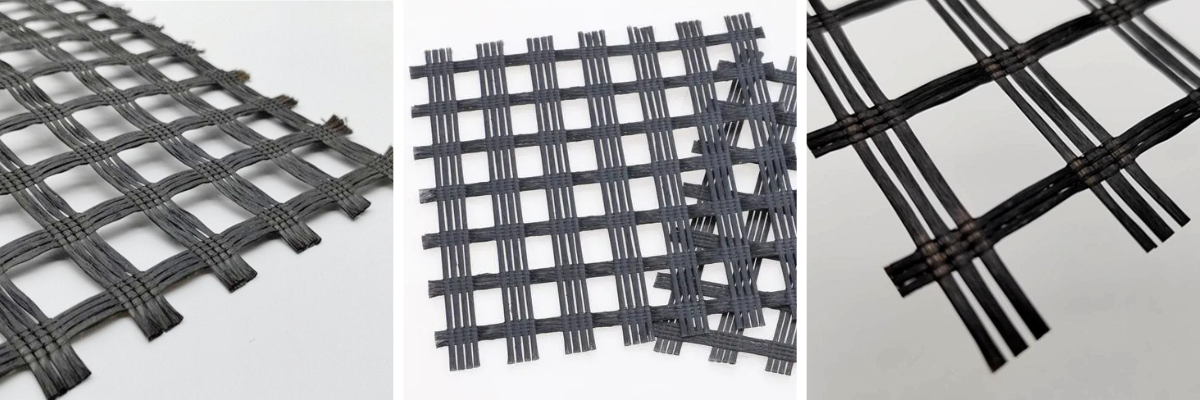
Ⅰ. It plays a core role in asphalt pavement structural layers and possesses the following key characteristics:
·High tensile strength and low elongation: The breaking strength in both the warp and weft directions can reach 25–200 kN/m, with a breaking elongation ≤3%. It exhibits almost no long-term creep and can sustain loads stably over time.
·Heat resistance and anti-aging properties: It can withstand asphalt paving temperatures of 160–180 °C, operates reliably within a temperature range of -50 °C to 80 °C, resists acid and alkali corrosion, and has a service life exceeding 30 years.
·Excellent compatibility with asphalt: The surface coating bonds tightly with asphalt, forming a "stress diffusion layer," and restricts aggregate movement through a mechanical interlocking effect, thereby enhancing overall structural stability.
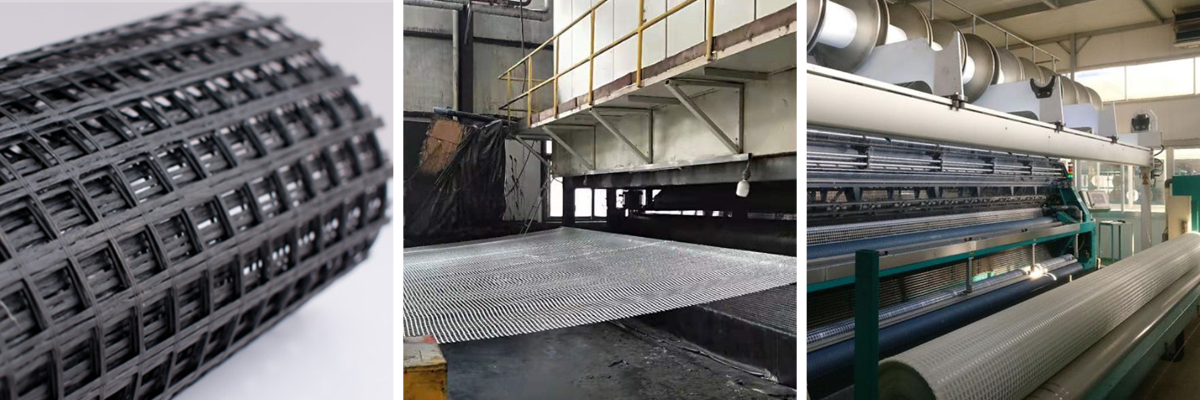
Ⅱ. Its main applications include:
·Crack-resistant reinforcement for asphalt pavements: Installed between asphalt layers or at the bottom, effectively suppressing the upward reflection of cracks from the underlying pavement.
·Concrete-to-asphalt overlay projects (white-to-black conversion): Serves as a stress-absorbing interlayer during asphalt overlay on concrete pavements, preventing reflective cracking.
·Highway widening and junctions between new and old subgrades: Enhances interfacial bonding, avoiding cracking and faulting caused by differential settlement.
·Heavy-duty roads, airport runways, and embankment slopes: Improves subgrade bearing capacity, reducing rutting and lateral deformation.