Subgrade Glass Fiber Geogrid
Key Performance Characteristics
· High strength and low elongation: It boasts high bidirectional tensile strength (25–120kN/m) and a fracture elongation rate of less than 3%, producing minimal deformation under load and effectively restricting subgrade soil displacement.
· Zero creep and excellent stability: As an inorganic material, glass fiber features no creep deformation under long-term loading and maintains durable and stable performance.
· High temperature resistance: Glass fiber has a melting point above 1000℃, and can withstand high temperatures of asphalt mixture paving (160–180℃).
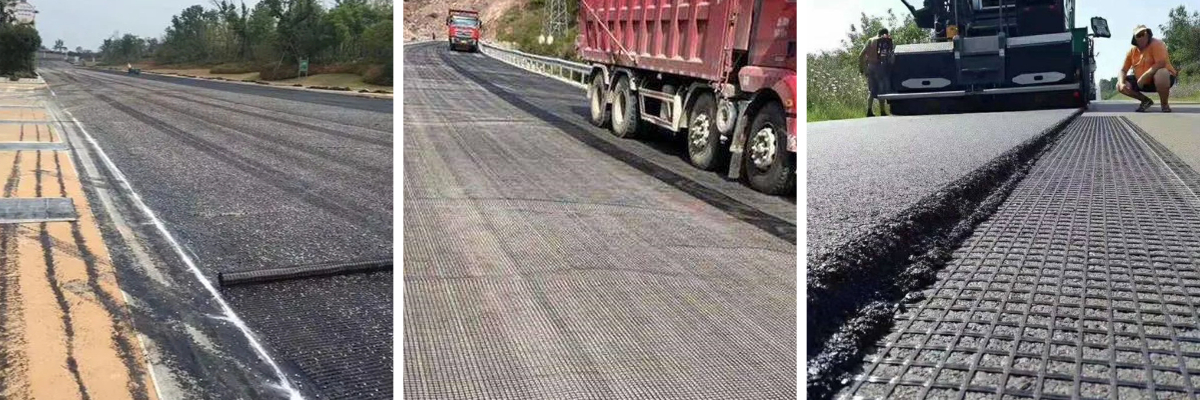
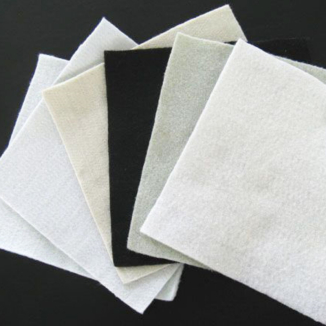
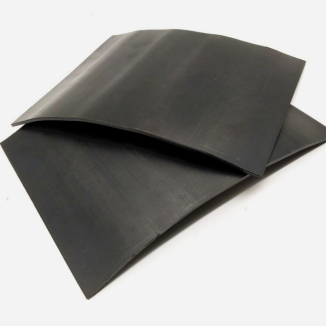
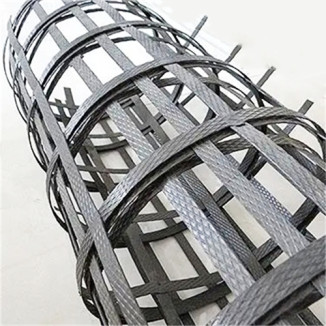
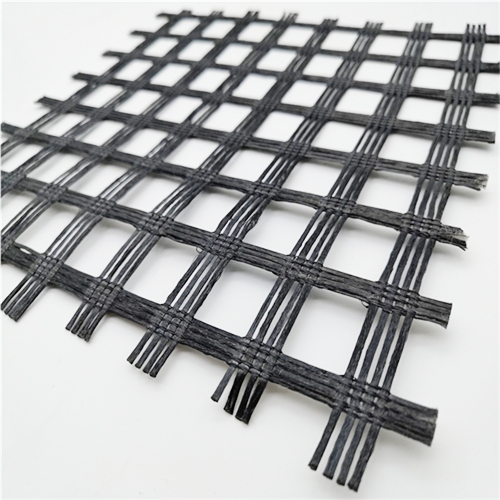
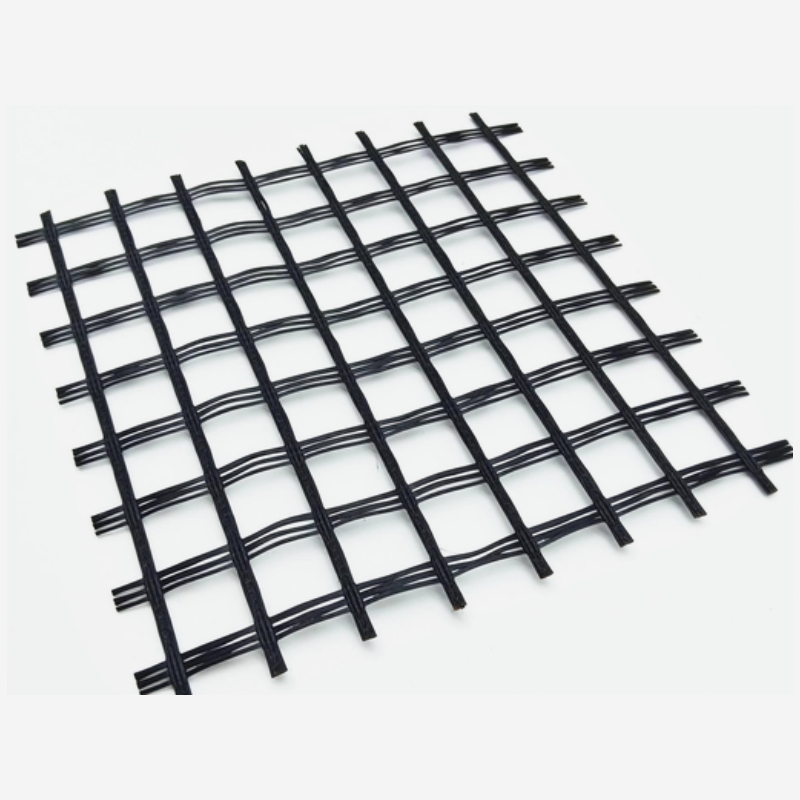
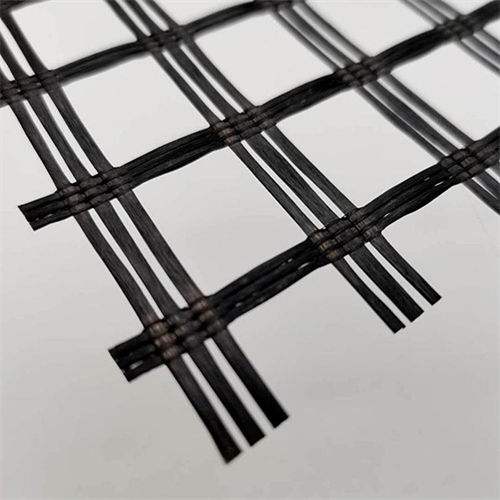
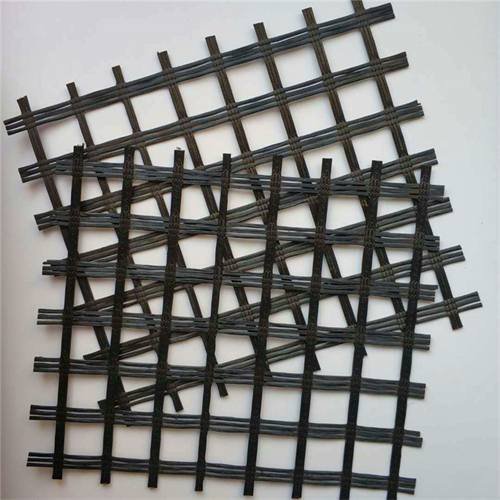
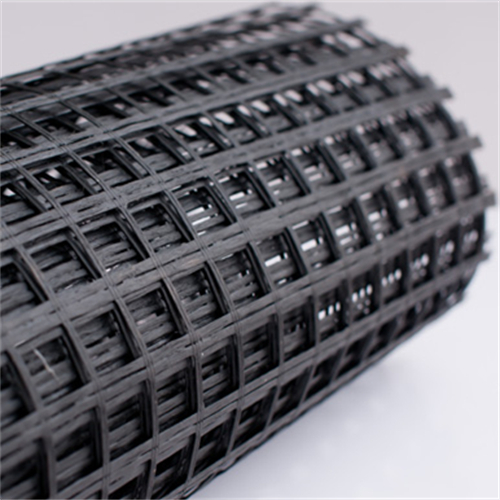
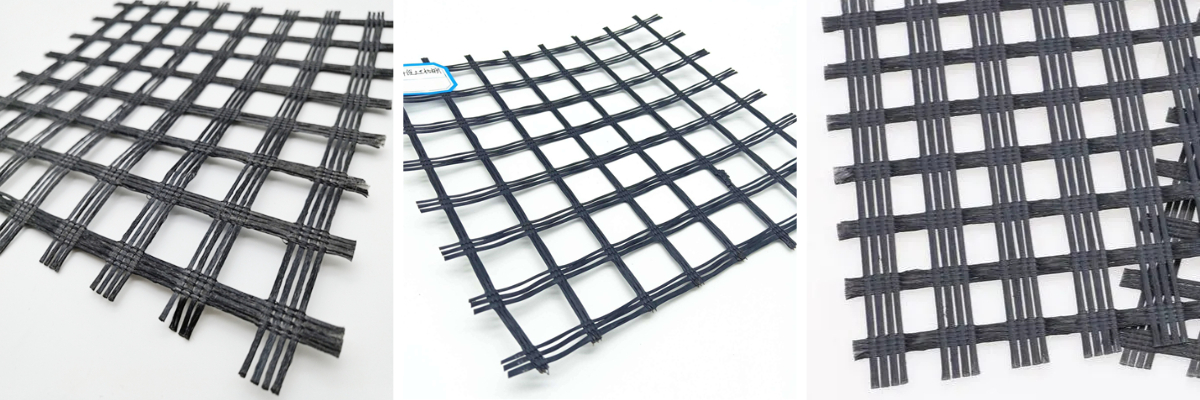
Subgrade Glass Fiber Geogrid is a semi-rigid geosynthetic material made of alkali-free glass fiber. It is woven into a mesh structure by warp knitting technology and treated with surface coating. It is mainly used for reinforcement and stabilization of highway and railway subgrades to improve bearing capacity, reduce settlement and resist cracking.
Ⅰ. Key Performance Characteristics
· High strength and low elongation: It boasts high bidirectional tensile strength (25–120kN/m) and a fracture elongation rate of less than 3%, producing minimal deformation under load and effectively restricting subgrade soil displacement.
· Zero creep and excellent stability: As an inorganic material, glass fiber features no creep deformation under long-term loading and maintains durable and stable performance.
· High temperature resistance: Glass fiber has a melting point above 1000℃, and can withstand high temperatures of asphalt mixture paving (160–180℃).
· Corrosion and aging resistance: It resists acid, alkali and microbial corrosion. Protected by surface coating, it enjoys a long service life. · Strong interlocking effect: The mesh structure tightly interlocks with subgrade fill and asphalt mixture to form an integrated structure, which disperses stress efficiently.
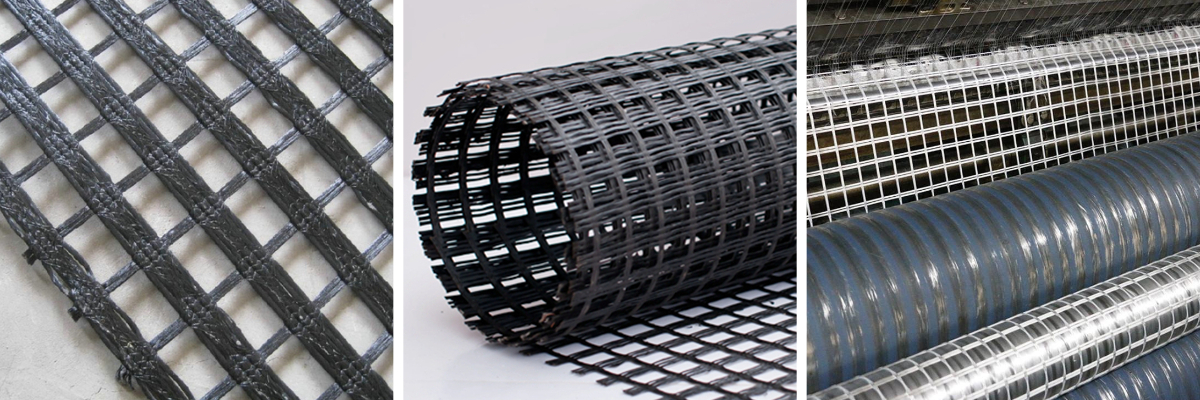
Ⅱ. Main Functions in Subgrade Engineering
1. Reinforcement of Soft Subgrade
· Laid at the bottom of subgrade or top surface of soil foundation, it restricts lateral displacement of soil mass and improves overall stability and bearing capacity of subgrade (increased by 20%-40%).
· It accelerates drainage and consolidation of soft soil, and significantly reduces uneven settlement (settlement of heavy-load sections can be reduced by 35%).
2. Treatment of Joint Between New and Old Subgrades
· Laid at the overlapping part of new and old subgrades, it eliminates differential settlement and cracks, and ensures the integrity of subgrade.
3. Prevent Pavement Reflective Cracks (Cement-to-Asphalt Pavement Reconstruction)
· When asphalt courses are overlaid on old cement pavement, it is laid between base course and surface course to block upward reflection of original pavement cracks, with a crack reduction rate of over 80%.
4. Strengthen Subgrade Slope
· It is used for embankment slope reinforcement to prevent landslide and slumping. It can cooperate with vegetation to form ecological slope protection.