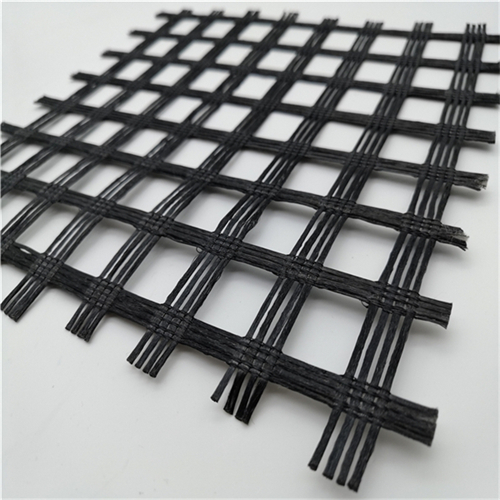
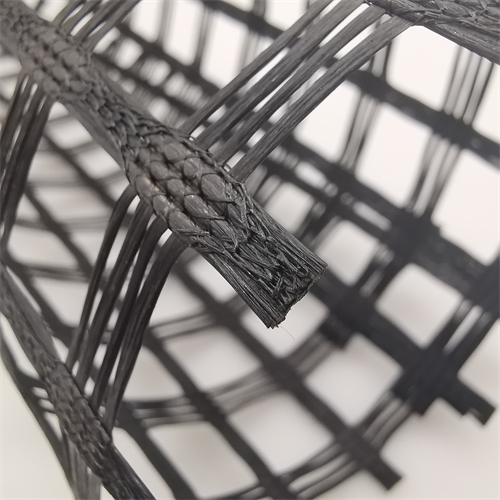
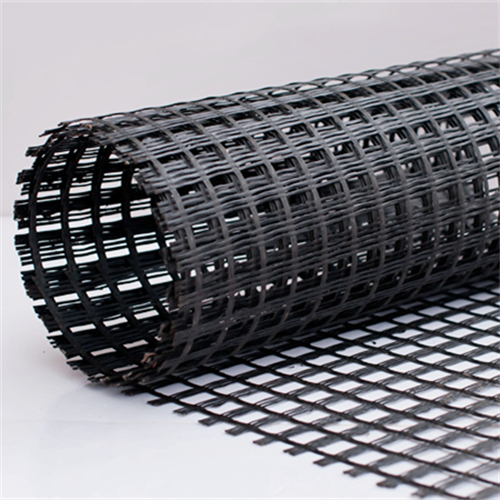
Glassfiber Biaxial Geogrid
Core Features
1. Ultra-high tensile strength, low elongation
High strength in both warp and weft directions (25–100 kN/m), with elongation at break < 3%. Nearly no creep, capable of long-term stable load-bearing.
2. Heat and aging resistance
Withstands asphalt paving temperatures of 160–180 °C; operates stably in temperatures ranging from -50 °C to 80 °C. Resistant to acids, alkalis, and corrosion, with a service life exceeding 30 years.
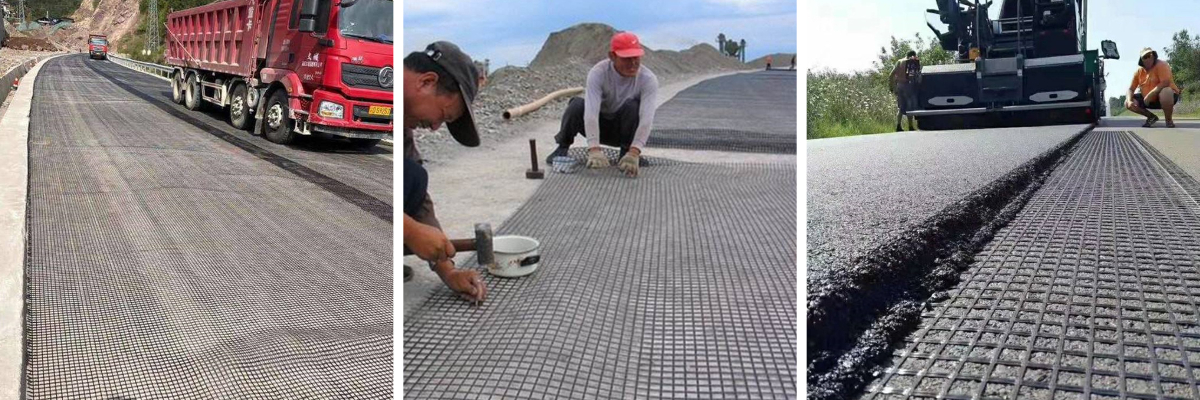
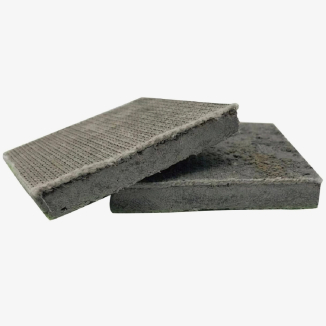
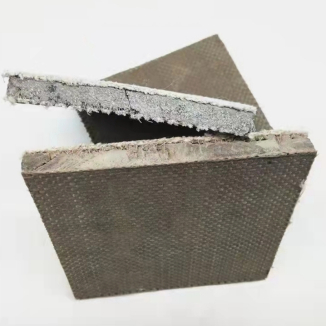
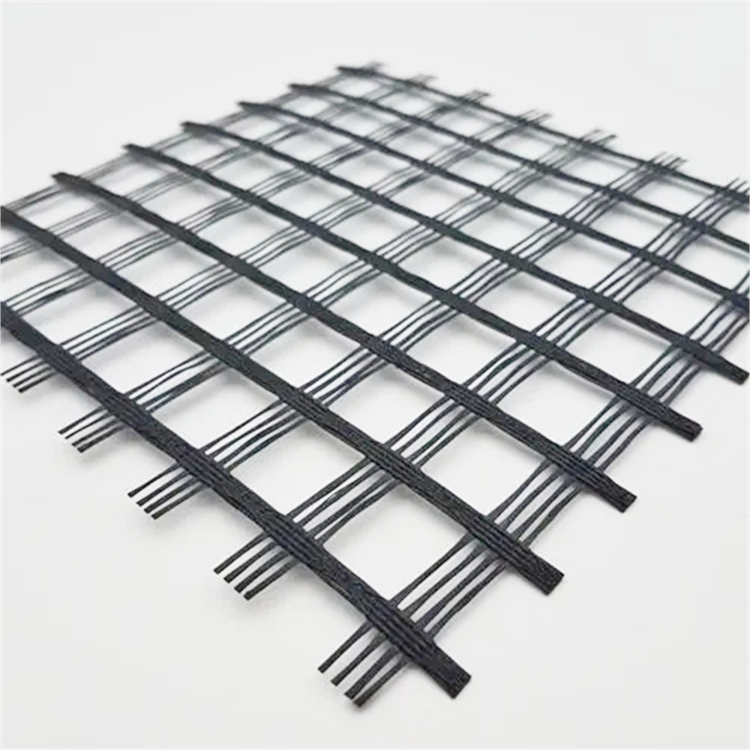
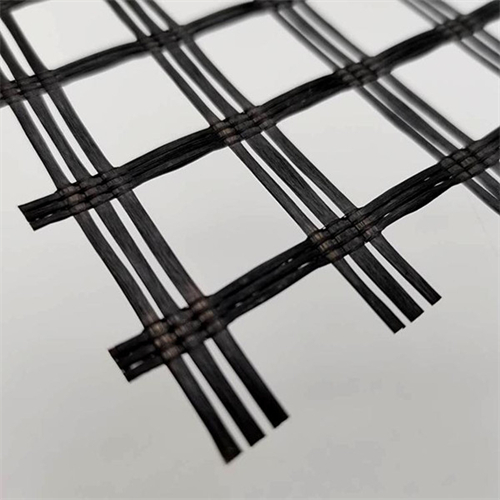
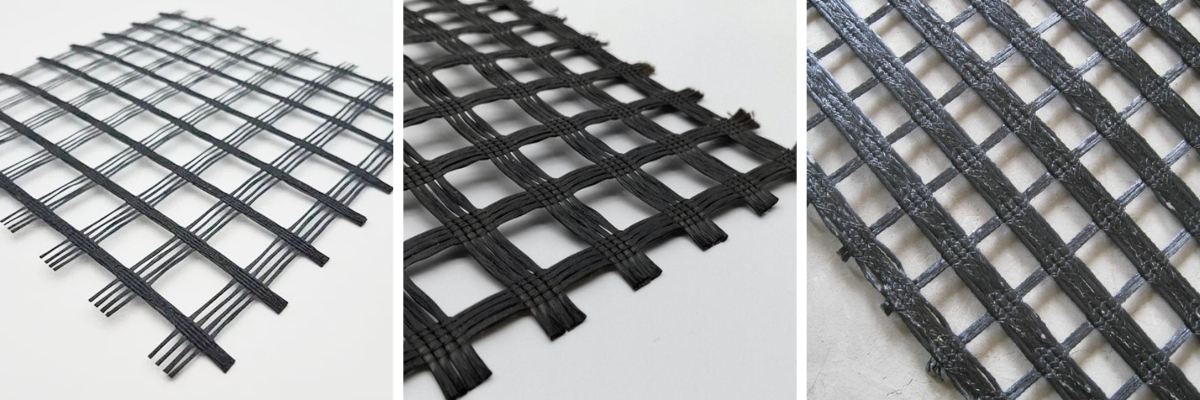
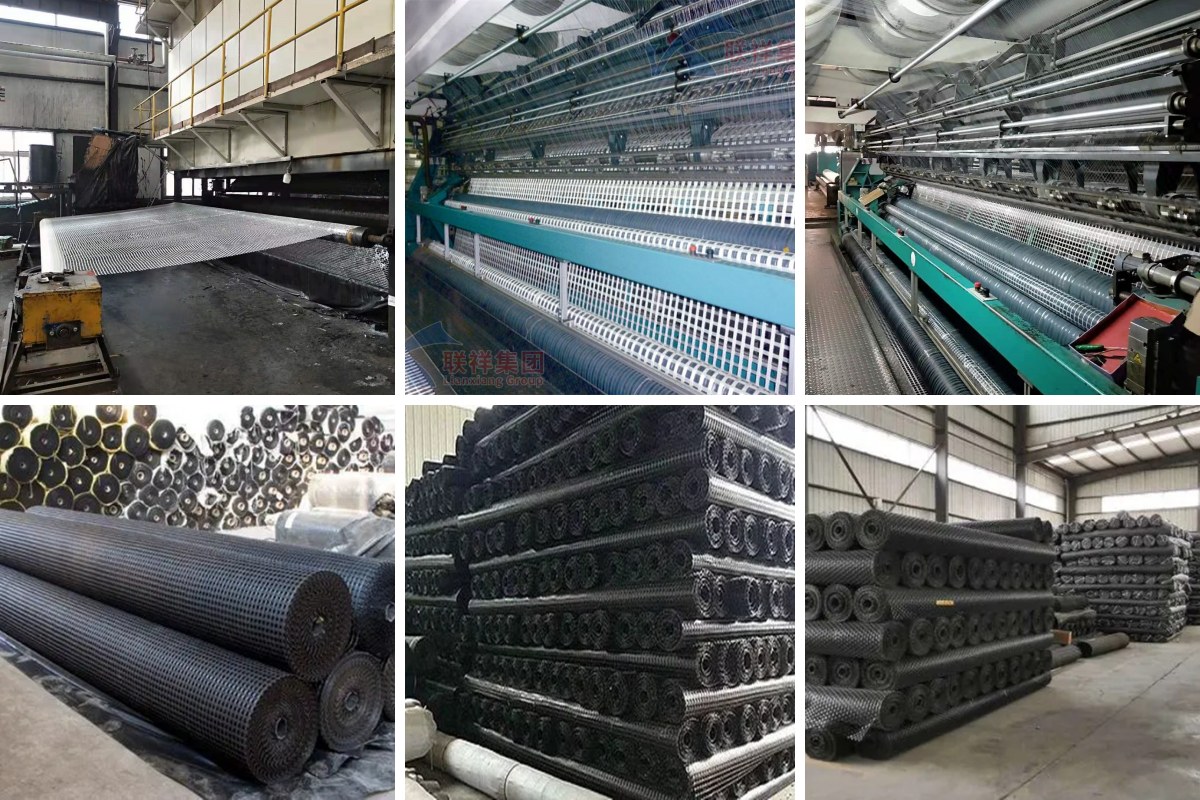
Glassfiber Biaxial Geogrid is a planar geosynthetic material made from alkali-free glass fiber as raw material, woven into a mesh structure via warp knitting technology, and then coated with modified asphalt or resin. It is primarily used for reinforcement, crack prevention, and strengthening of roads and subgrades.
Ⅰ. Core Features
1. Ultra-high tensile strength, low elongation
High strength in both warp and weft directions (25–100 kN/m), with elongation at break < 3%. Nearly no creep, capable of long-term stable load-bearing.
2. Heat and aging resistance
Withstands asphalt paving temperatures of 160–180 °C; operates stably in temperatures ranging from -50 °C to 80 °C. Resistant to acids, alkalis, and corrosion, with a service life exceeding 30 years.
3. Excellent compatibility with asphalt
Surface coating bonds strongly with asphalt; the mesh mechanically interlocks with aggregate, effectively distributing stress and suppressing reflective cracking.
4. Physically stable and lightweight
High modulus, good toughness, and dimensional stability. Lightweight and easy to install, without warping or distortion during construction.
Ⅱ. Main Applications
1. Reinforcement and crack prevention in asphalt pavements
Installed between asphalt layers or beneath the surface course to suppress reflective cracking, reduce rutting, and resist lateral displacement.
2. Major rehabilitation and “white-to-black” overlay projects
Applied when overlaying existing concrete pavements with asphalt to prevent cracks from reflecting upward.
3. Subgrade reinforcement and soft soil improvement
Enhances load-bearing capacity, reduces settlement, and distributes stress uniformly.
4. Road widening and integration of new and existing subgrades
Prevents cracking and differential movement at joint interfaces.
5. Airfield runways, heavy-duty roads, and embankment slopes