Erosion control cellular confinement systems
1. Dual function: physical anti-scour + ecological vegetation restoration
Replaces rigid concrete hard revetment to restore natural landscape while controlling erosion.
2. Effective solution for steep, loose slopes
Stabilizes silty soil, mine spoil, loose embankment fill that is highly vulnerable to runoff erosion.
3. Outstanding drainage performance
Avoids water accumulation inside the slope, fundamentally reducing landslide hazards compared with solid non-perforated geocell.
4. Low transportation & fast installation
Foldable structure cuts transport volume by over 80%; only U-shaped ground nails are required for fixing, no heavy construction machinery.
5. Cost-saving and eco-friendly
Local on-site soil can be used as infill to cut aggregate transportation costs; reduces carbon emission from concrete construction and complies with soil conservation, sponge city and green mine policies.
Introduction to Erosion Control Cellular Confinement Systems
1. Definition
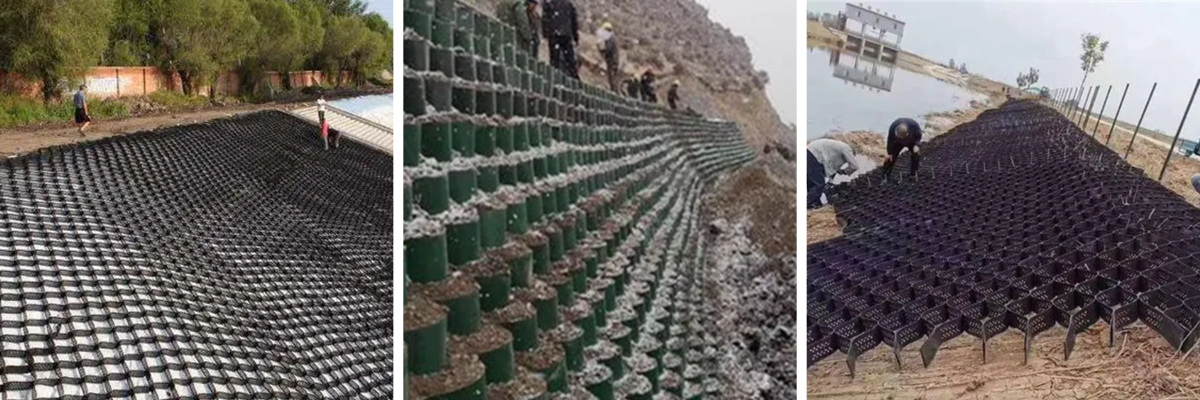
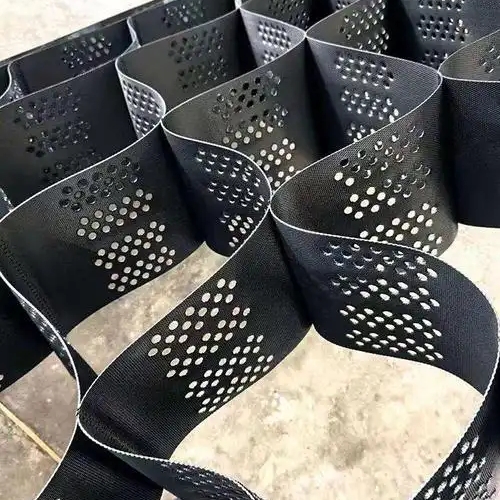
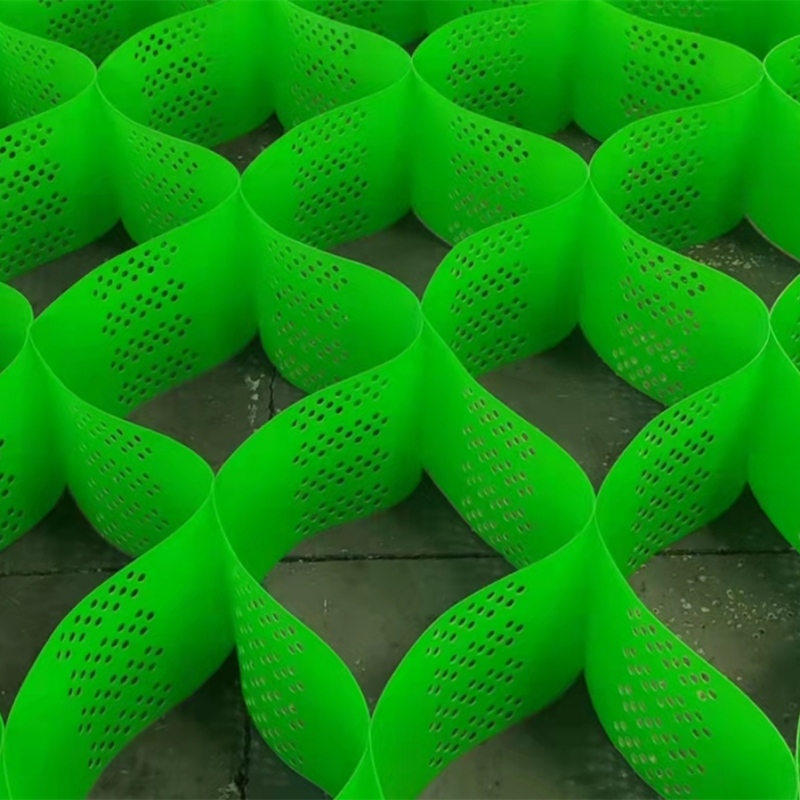
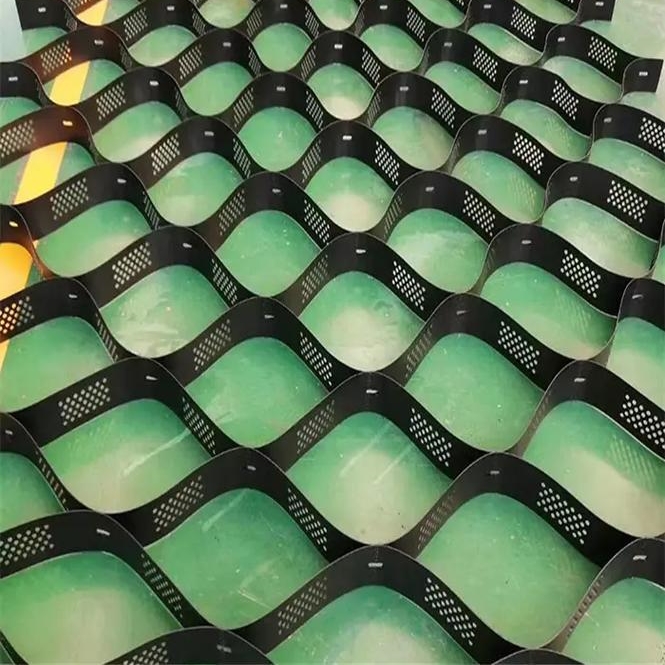
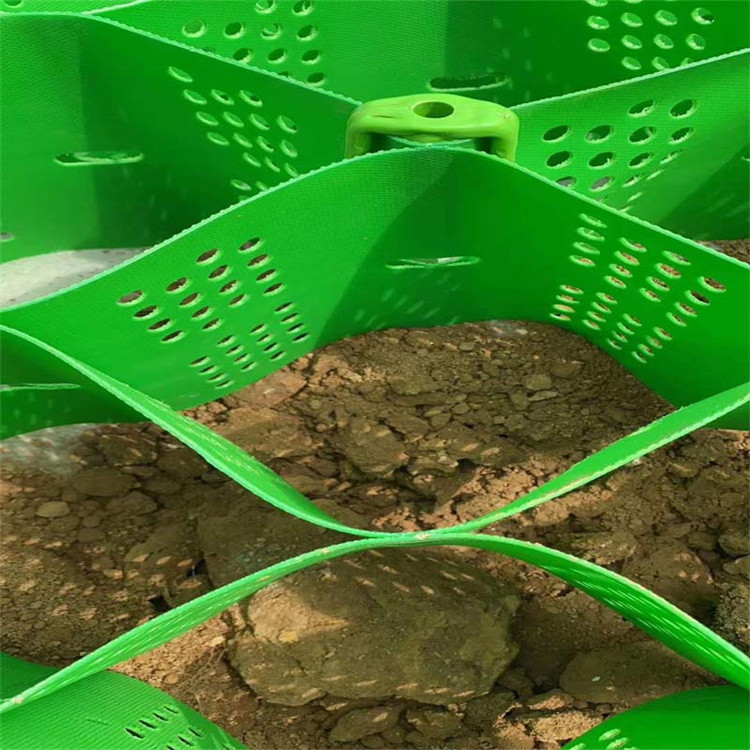
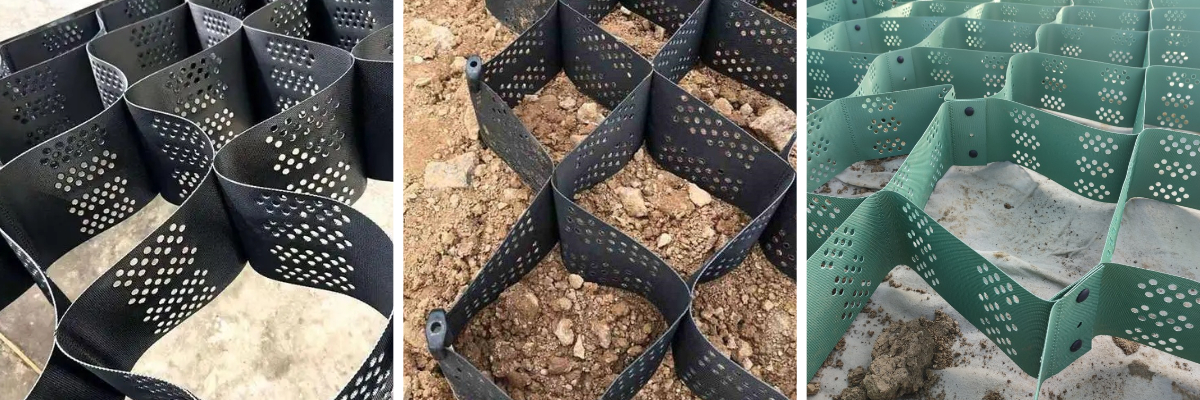
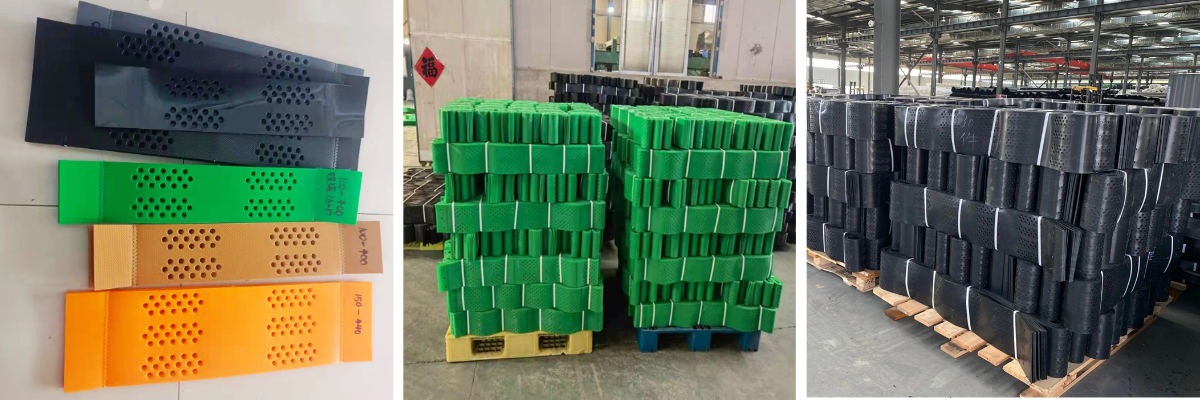
Erosion Control Cellular Confinement Systems, also known as anti-erosion geocell, are a specialized series of three-dimensional honeycomb geosynthetics designed for slope stabilization, surface runoff control and ecological restoration. Made of ultrasonically welded perforated HDPE sheets, this type of CCS is folded for shipment and stretched on-site into interlocking cell cavities. Filled with planting soil, topsoil or gravel, it locks surface media in place, blocks rainwater scouring and shallow sliding, and supports vegetation growth for long-term erosion prevention on hillsides, riverbanks and disturbed construction land.
2. Raw Material & Core Product Features
Raw Material
Modified virgin HDPE mixed with UV stabilizers, antioxidants and antifreeze additives. It resists sunlight aging, acid/alkali soil corrosion and repeated freeze-thaw cycles, with a design service life of 50–75 years for permanent ecological projects. Low-cost PP geocell is only applicable to temporary short-term slope protection.
Exclusive Design for Erosion Control
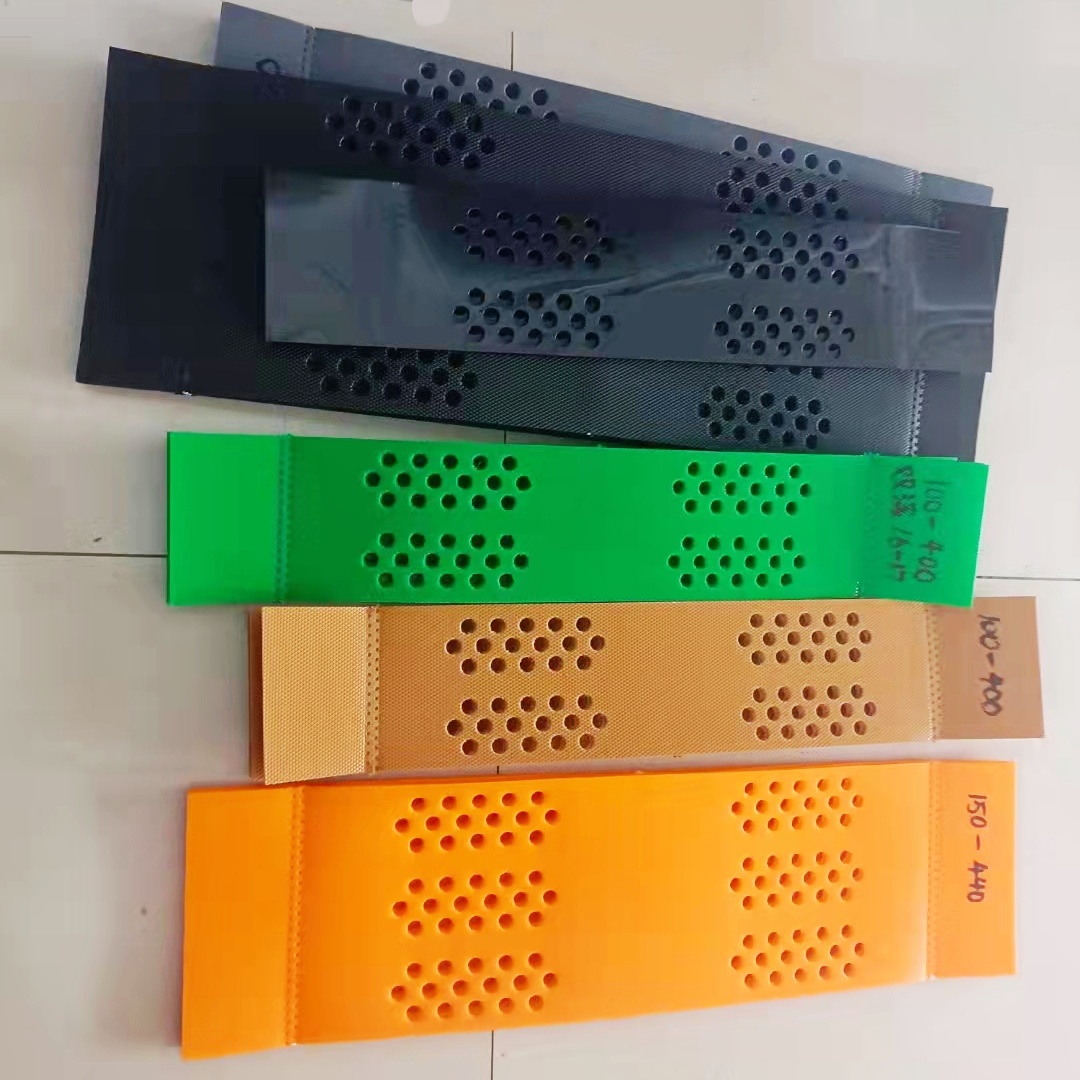
1. Pre-punched uniform drainage holes (core feature)
Discharge rainwater and pore water inside the slope body to eliminate hydrostatic pressure, the primary trigger of gully erosion and shallow landslides. Holes also balance water pressure on both sides of the sheet for waterfront zones to avoid buoyancy uplift.
2. Optional embossed textured surface
Boost friction between cell walls and filling soil, preventing internal slip of the covering layer on steep slopes.
3. Flexible integral honeycomb structure
Conforms to uneven slope terrain without cracking, unlike rigid concrete or stone masonry.
Common Standard Specifications
- Cell height: 100 mm (gentle slopes, landscape greening); 150–200 mm (steep slopes, river revetment, mine restoration)
- Sheet thickness: 1.0–1.2 mm (general landscape); 1.2–1.5 mm (steep slope, hydraulic projects)
- Welding spacing: 400–660 mm for regular slopes; 330–400 mm for high-gradient waste dump slopes
- Weld peel strength: ≥8 kN/m (standard); ≥10 kN/m for steep slopes over 35°
3. Working Mechanism Against Soil Erosion
1. Physical Confinement to Block Surface Scour
Independent honeycomb cells compartmentalize topsoil, gravel and planting substrate. Runoff cannot wash away large areas of surface soil; water flow velocity is reduced inside each cavity to weaken scouring force and avoid gully formation.
2. Drainage Eliminates Landslide Risks
Rainwater seeping into slopes quickly flows out through perforations. Excess pore water pressure is released, preventing soil saturation, sliding and collapse during rainy seasons.
3. Soil-Root-Geocell Composite Reinforcement
Grass, shrub and herb roots penetrate perforations and grow through adjacent cell chambers, intertwining the whole covering layer into a unified stable mat. Vegetation forms permanent anti-erosion protection after maturity.
4. Anti-Buoyancy for Water Fluctuation Zones
On river, reservoir and tidal flat slopes, holes equalize water pressure during water level rise and fall, stopping upward deformation and collapse caused by water buoyancy.
4. Core Advantages of Erosion Control CCS
1. Dual function: physical anti-scour + ecological vegetation restoration
Replaces rigid concrete hard revetment to restore natural landscape while controlling erosion.
2. Effective solution for steep, loose slopes
Stabilizes silty soil, mine spoil, loose embankment fill that is highly vulnerable to runoff erosion.
3. Outstanding drainage performance
Avoids water accumulation inside the slope, fundamentally reducing landslide hazards compared with solid non-perforated geocell.
4. Low transportation & fast installation
Foldable structure cuts transport volume by over 80%; only U-shaped ground nails are required for fixing, no heavy construction machinery.
5. Cost-saving and eco-friendly
Local on-site soil can be used as infill to cut aggregate transportation costs; reduces carbon emission from concrete construction and complies with soil conservation, sponge city and green mine policies.
6. Flexible terrain adaptability
Fits curved, undulating slopes without segmented construction joints prone to erosion leakage.
5. Main Application Fields
1. Traffic Engineering Slope Protection
Cutting and filling slopes of highways, railways and municipal roads; steep mountain embankments to prevent gully erosion and shallow slip.
2. Water Conservancy Ecological Revetment
River banks, irrigation channels, reservoir drawdown zones, tidal flats and seawall slopes; resist wave scouring and adapt to seasonal water level changes.
3. Mine Ecological Restoration
Open-pit waste dump slopes, quarry barren hills, tailing pond covering slopes; stabilize loose rock spoil and realize vegetation greening to control soil loss.
4. Municipal & Landscape Projects
Park hillside greening, residential landscape slopes, sponge city rain garden embankments, lightweight eco retaining walls.
5. Landfill Closure Works
Anti-slip covering slopes of municipal solid waste landfills; protect geomembrane liners from runoff erosion and shallow sliding.
6. Desert & Wind Erosion Control
Sandy hillsides and desert transport roads; fix sand surface and reduce wind-blown soil loss.
6. Standard Construction Process for Slope Erosion Control
1. Slope trimming: Clean loose debris, stones and mud, shape the slope to smooth gradient.
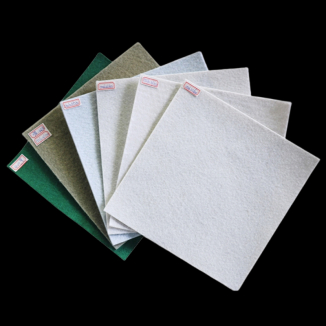
2. Lay non-woven geotextile isolation layer to prevent fine slope soil from leaking out through geocell holes.
3. Unfold erosion control CCS fully, anchor edges, middle and splicing seams with U-nails at fixed intervals to avoid shrinkage.
4. Fill each cell cavity with planting soil, organic substrate or graded gravel, compact lightly to keep a loose state for plant growth.
5. Carry out hydroseeding, grass sowing or shrub seedling planting on the surface.
6. Complete early-stage watering and maintenance until vegetation forms continuous coverage.