
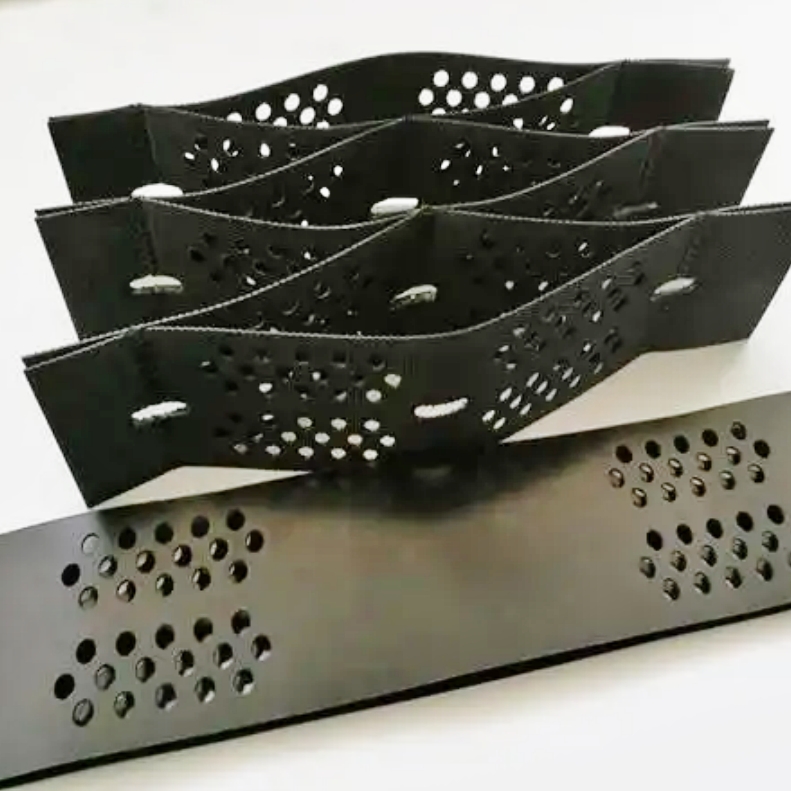
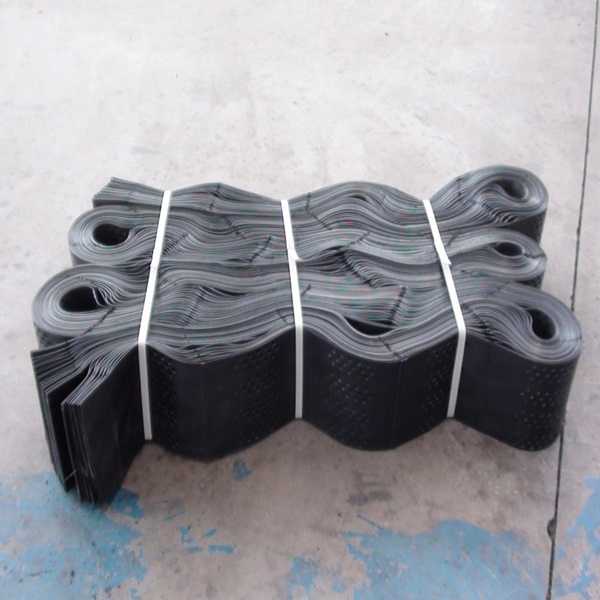
High tensile cellular confinement systems
1. Withstand extreme heavy dynamic & static loads
Suitable for mine haul trucks, container stacking yards and airport cargo aprons; regular geocell easily suffers weld fracture under repeated heavy wheel pressure.
2. Stable reinforcement on super-steep slopes (>35°)
High tensile capacity offsets huge downslope tension; avoids sheet stretching, joint splitting and slope collapse.
3. Ultra-long-term dimensional stability
Strong anti-creep performance, no gradual deformation after decades of continuous load; reduces later pavement repair cost significantly.
4. Adapt to harsh corrosive environments
Resist saline water, acid/alkali mine spoil and freeze-thaw cycles while retaining over 90% original tensile strength long-term.
Introduction to High Tensile Cellular Confinement Systems (High Tensile Geocell)
1. Definition
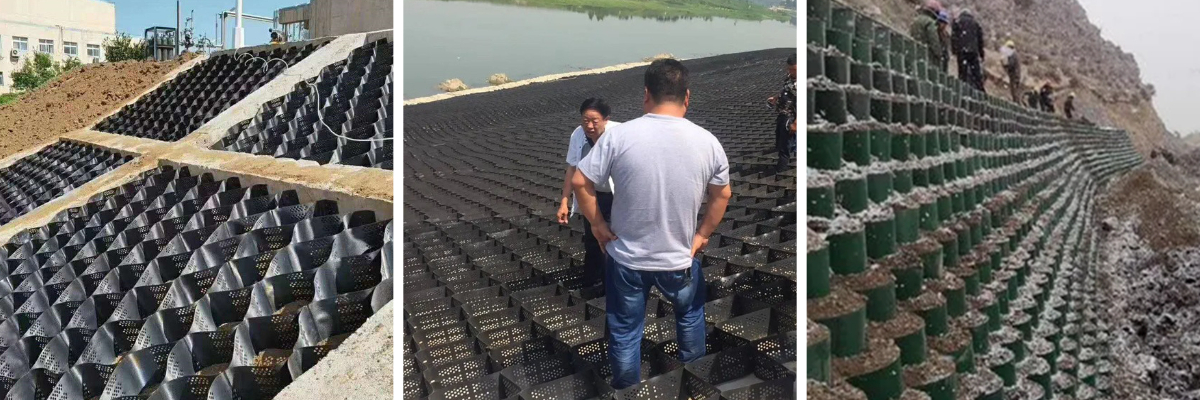
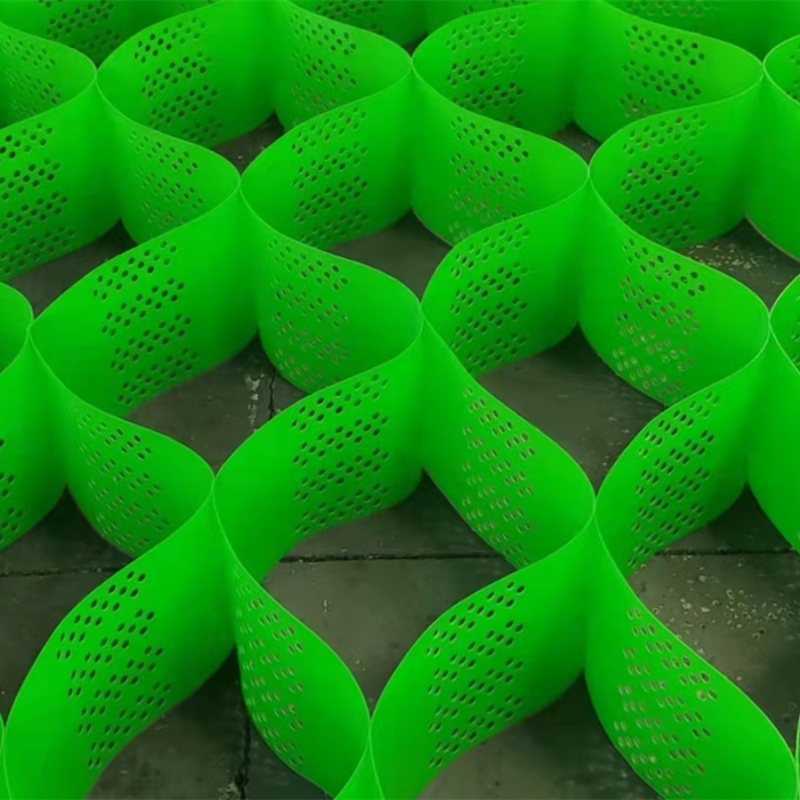
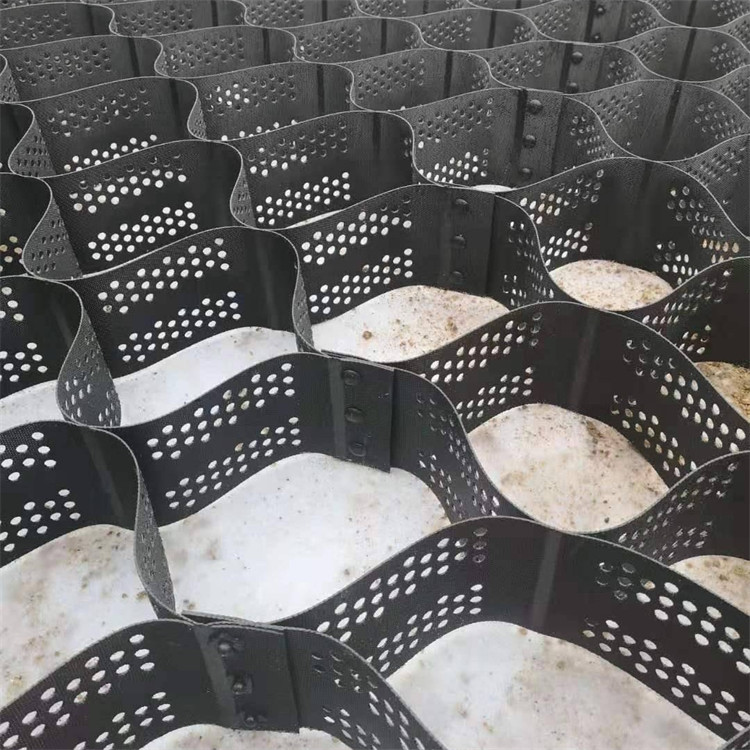
High Tensile Cellular Confinement Systems are heavy-duty, high-performance 3D honeycomb geosynthetics, upgraded from standard geocell with reinforced polymer formula, thicker sheets and high-strength ultrasonic welds.
Manufactured with modified virgin HDPE or Novel Polymeric Alloy (NPA), they deliver outstanding tensile stiffness, weld peel resistance and creep deformation resistance. Folded compact for transport and unfolded on-site, the interlocking honeycomb cavities are filled with aggregate, soil or concrete to form an ultra-rigid composite mattress for extreme load, steep slope and harsh hydraulic engineering conditions where ordinary geocell fails to meet mechanical requirements.
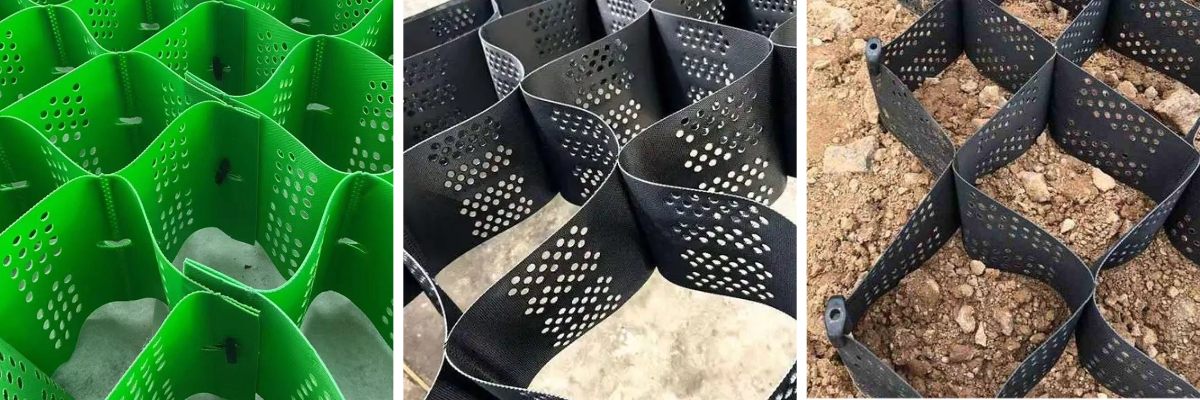
2. Premium Raw Material & Core Mechanical Advantages
Raw Material Options
1. High-strength modified HDPE (mainstream)
Virgin HDPE blended with high-dose UV stabilizers, anti-oxidants and anti-creep additives; tensile strength ≥20–25 MPa, weld peel strength ≥10–14 kN/m, far above regular geocell (8 kN/m).
2. NPA Novel Polymeric Alloy (top-grade heavy-load type)
Ultra-high tensile modulus, minimal long-term creep deformation; ideal for permanent heavy transport, steep slopes and long-term water fluctuation zones.
Key High-Tensile Technical Indicators
- Sheet tensile strength: ≥20 MPa
- Weld peel strength: ≥10 kN/m (general heavy load); ≥14 kN/m (mine haul roads & slopes over 40°)
- Anti-creep performance: Minimal permanent deformation under sustained heavy vehicle load
- Available surface: Solid textured, perforated textured (combine high friction + drainage)
- Standard specifications: Height 150/200/250 mm; sheet thickness 1.5–1.8 mm; welding pitch 330–400 mm for maximum integral rigidity
Exclusive Reinforcement Design
- Thickened cell sheets + dense high-power ultrasonic welding joints to avoid weld separation under tension and shear force
- Embossed textured surface boosts interlock friction between cell walls and infill, amplifying lateral confinement under extreme load
- Perforated version retains full tensile performance while adding drainage function for waterlogged soft ground and river revetment
3. Working Mechanism of High-Tensile CCS
1. Superior Lateral Confinement for Heavy Loads
High tensile stiffness enables cell walls to generate powerful hoop stress to lock aggregate. Even under repeated heavy truck, container and aircraft loads, infill lateral sliding and pavement rutting are fully suppressed. It raises subgrade shear strength by 2–3 times and cuts differential settlement by over 60% compared with standard geocell.
2. Resist Sliding Tension on Steep Slopes
On steep gradients (>35°), loose filling soil creates huge downslope tensile pull force. High tensile geocell bears sliding tension without sheet elongation or weld cracking, eliminating shallow landslide risks on mine waste dumps and mountain high-fill embankments.
3. Anti-Deformation for Long-Term Sustained Load
Low creep property prevents slow permanent expansion of cell walls after years of static heavy load (container yards, port storage areas). The reinforced mattress maintains consistent stiffness over the full 50–75 years design service life.
4. Balanced Water Pressure for Waterfront Projects
Perforated high-tensile model releases pore water and equalizes water buoyancy on river/reservoir slopes; high weld strength resists wave impact tension without structural rupture during flood periods.
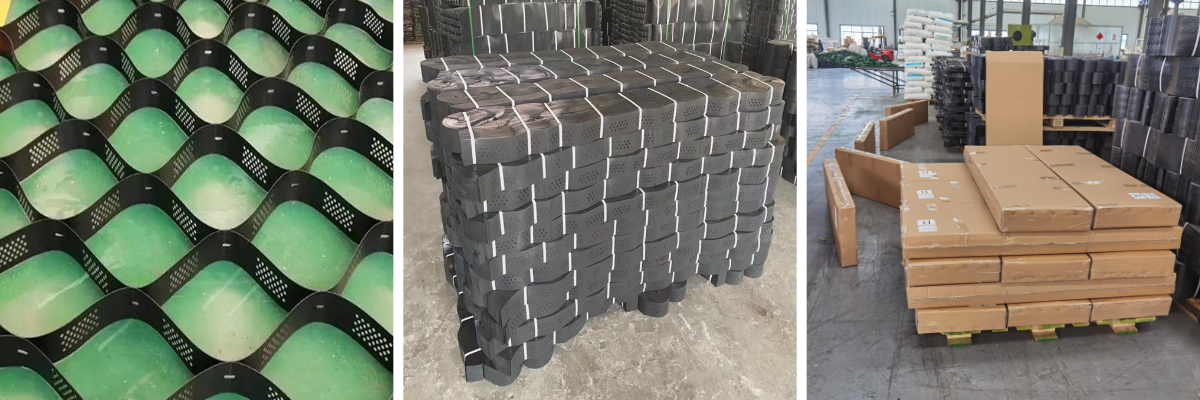
4. Unique Core Advantages vs Ordinary Geocell
1. Withstand extreme heavy dynamic & static loads
Suitable for mine haul trucks, container stacking yards and airport cargo aprons; regular geocell easily suffers weld fracture under repeated heavy wheel pressure.
2. Stable reinforcement on super-steep slopes (>35°)
High tensile capacity offsets huge downslope tension; avoids sheet stretching, joint splitting and slope collapse.
3. Ultra-long-term dimensional stability
Strong anti-creep performance, no gradual deformation after decades of continuous load; reduces later pavement repair cost significantly.
4. Adapt to harsh corrosive environments
Resist saline water, acid/alkali mine spoil and freeze-thaw cycles while retaining over 90% original tensile strength long-term.
5. Dual-function customizable options
Textured solid for dry heavy subgrade; perforated textured for wet soft foundation & ecological slope protection, both maintaining full high-tensile mechanical performance.
5. Main Application Scenarios
① Heavy-Duty Transport & Yard Stabilization
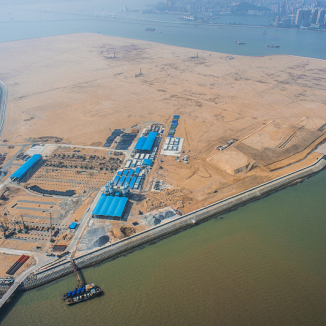
Expressway subgrade, mine permanent haul roads, logistics container yards, large truck parking lots, airport cargo aprons, port storage platforms.
② Super-Steep Slope Reinforcement
Highway/railway high-cut slopes (gradient 35°–45°), open-pit mine waste dump anti-slip covering, steep mountain embankments, landfill closure anti-slide slopes.
③ Large-Scale Water Conservancy Projects
River main channel revetment, reservoir drawdown zone protection, tidal flat seawall slopes, flood control channel lining (resist strong wave tension impact).
④ Special Permanent Infrastructure
Bridge-abutment transition sections, mountain photovoltaic steep slopes, desert heavy transport roads, saline soil industrial access roads.
6. Standard Construction Highlights
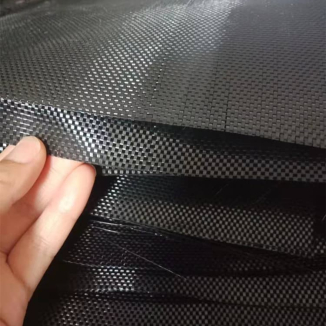
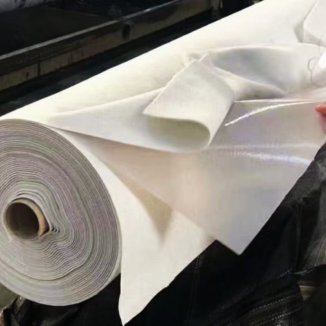
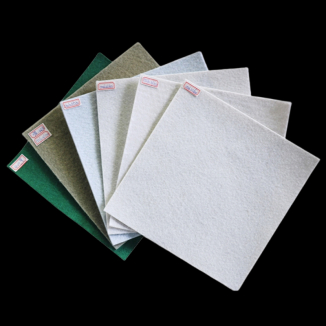
1. Foundation leveling and compaction + non-woven geotextile separation layer;
2. Fully unfold high tensile geocell, dense U-nail anchoring at edges, middle and splice seams to counteract large downslope tension;
3. Layered filling and light pre-compaction first, then heavy rolling; avoid over-impacting weld joints;
4. For steep slopes: adopt additional steel anchor rods to share tensile pull force of the whole geocell mattress.