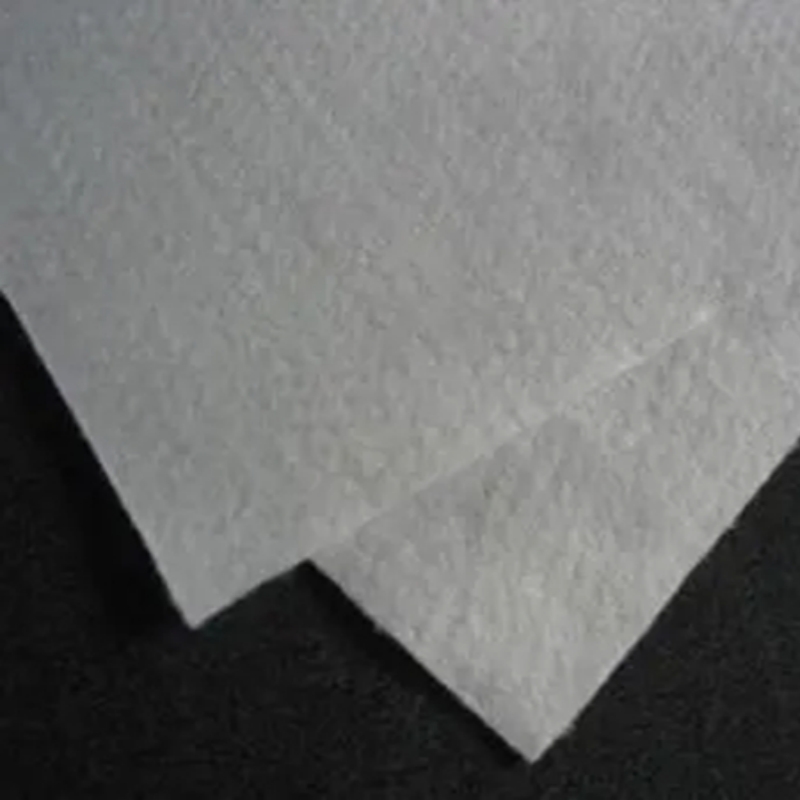
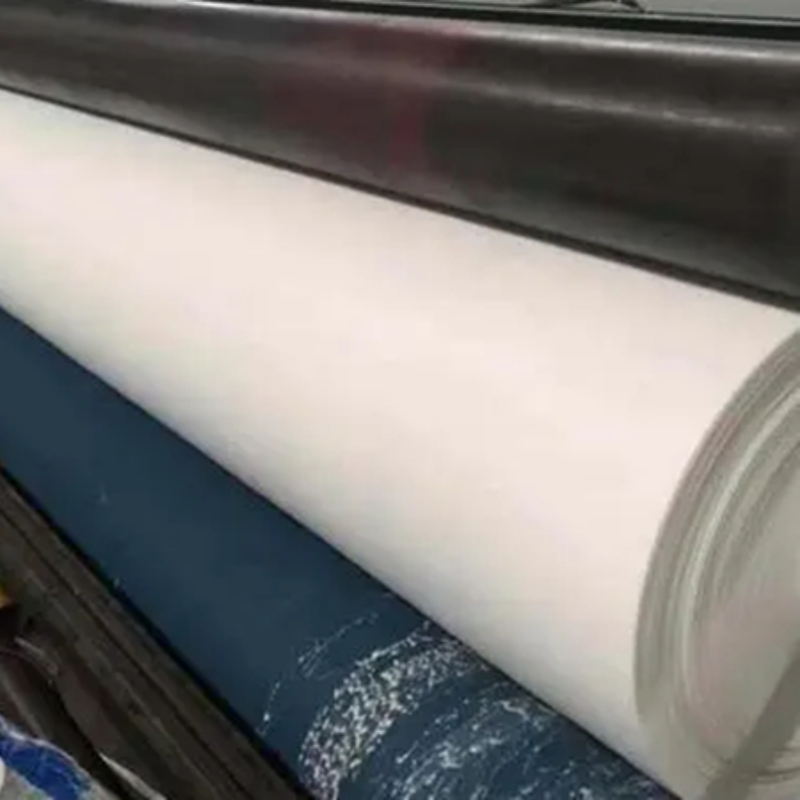
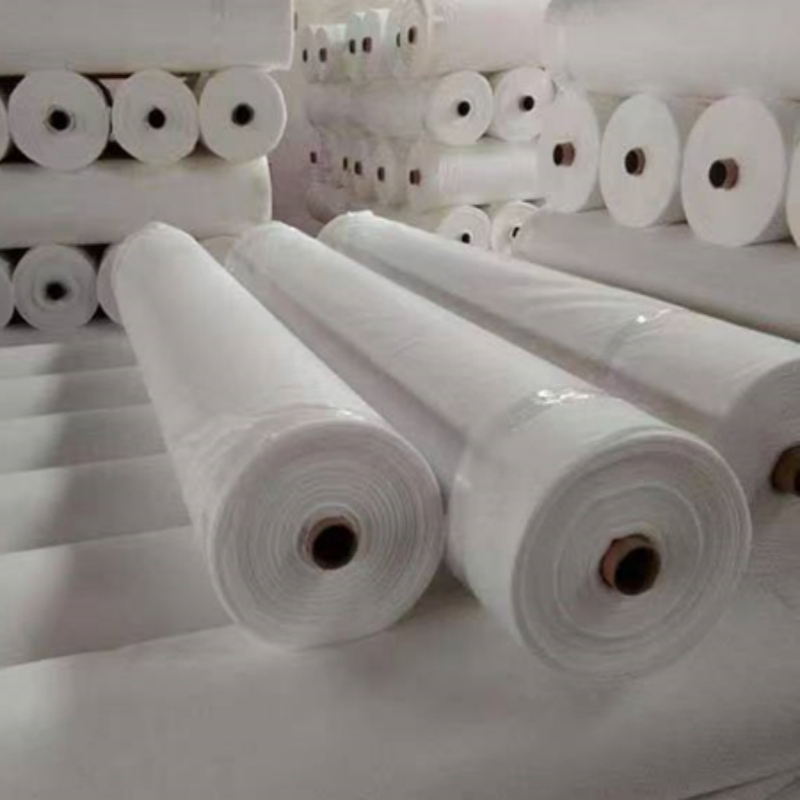
Polyester-glass fiber geocomposite
Core Performance Advantages
1. Crack Resistance and Anti-Seepage: Low elongation and high instantaneous tensile strength effectively eliminate stress concentration in pavements and delay the propagation of reflective cracks; excellent high-temperature stability allows construction at temperatures up to 258 °C, forming a continuous, deformation-resistant waterproof layer that prevents water infiltration and subsequent pavement structural damage.
2. Weather and Aging Resistance: Exceptional chemical stability provides strong resistance against various chemical and biological attacks as well as climatic variations, ensuring a long service life.
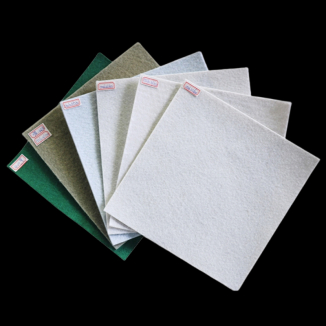
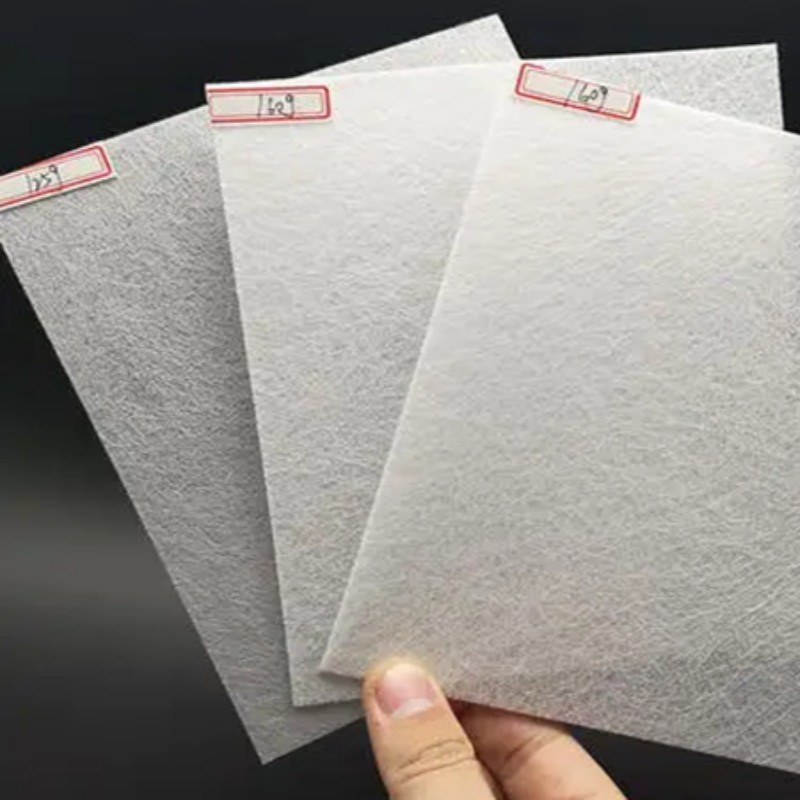
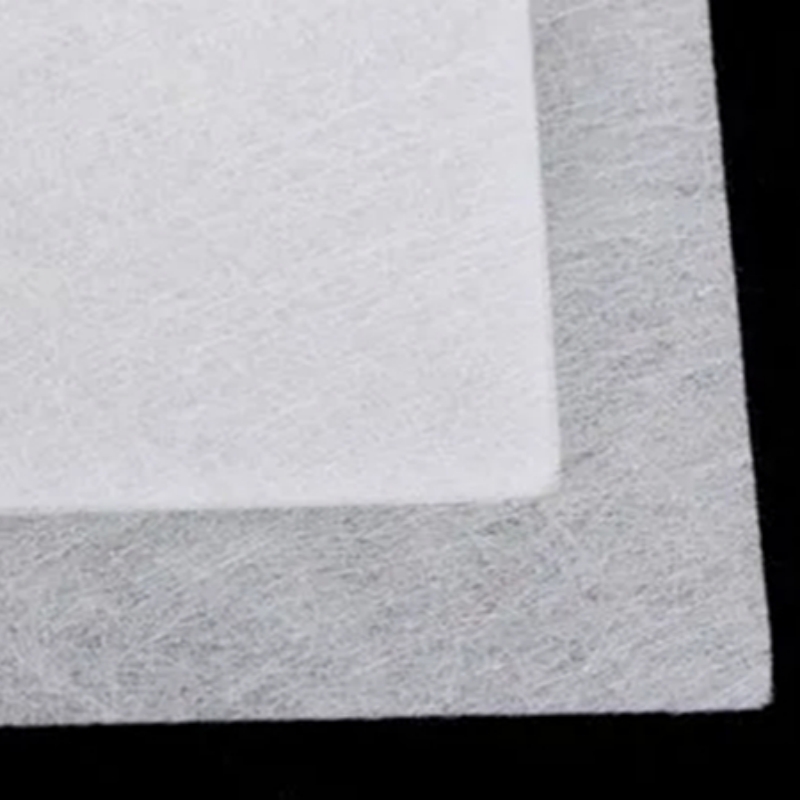
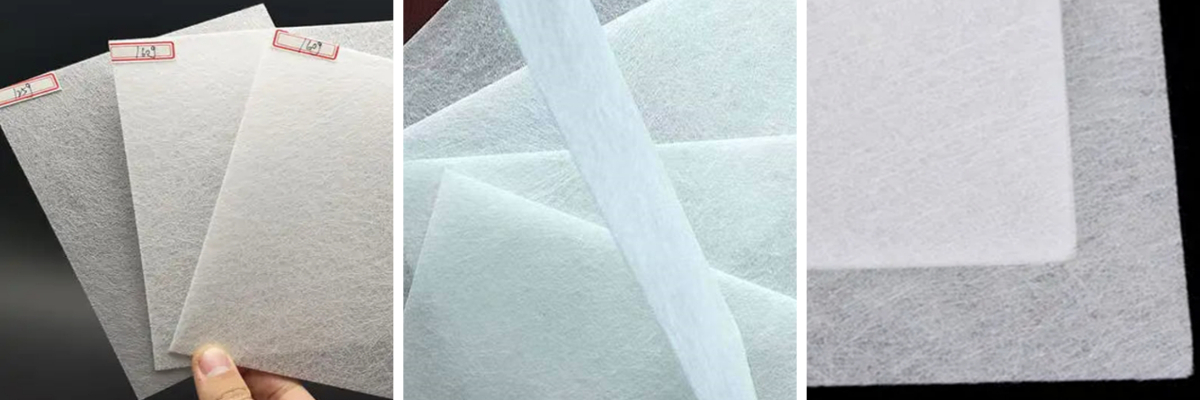
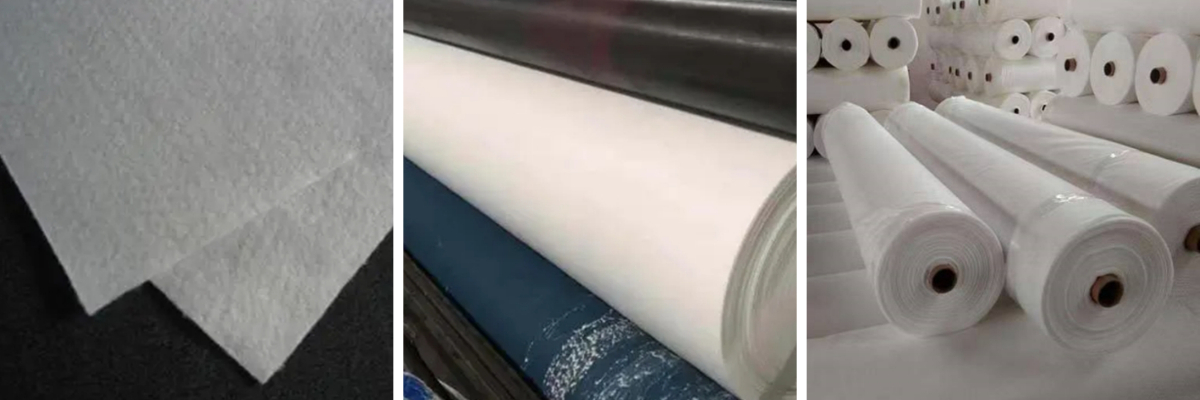
Polyester-glass fiber geocomposite is a new type of composite geosynthetic material composed of 60% glass fiber and 40% polyester fiber. It combines the high strength, heat resistance, and aging resistance of glass fibers with the flexibility of polyester fibers, overcoming the drawbacks of traditional glass fiber grids—such as difficulty in fixation—and the insufficient strength of geotextiles at high temperatures. It also exhibits excellent compatibility with asphalt mixtures.
I. Core Performance Advantages
1. Crack Resistance and Anti-Seepage: Low elongation and high instantaneous tensile strength effectively eliminate stress concentration in pavements and delay the propagation of reflective cracks; excellent high-temperature stability allows construction at temperatures up to 258 °C, forming a continuous, deformation-resistant waterproof layer that prevents water infiltration and subsequent pavement structural damage.
2. Weather and Aging Resistance: Exceptional chemical stability provides strong resistance against various chemical and biological attacks as well as climatic variations, ensuring a long service life.
3. Recyclability: During milling, the material can be crushed into fine fibers for use in road recycling projects, without causing equipment adhesion or operational downtime.
II. Typical Application Scenarios
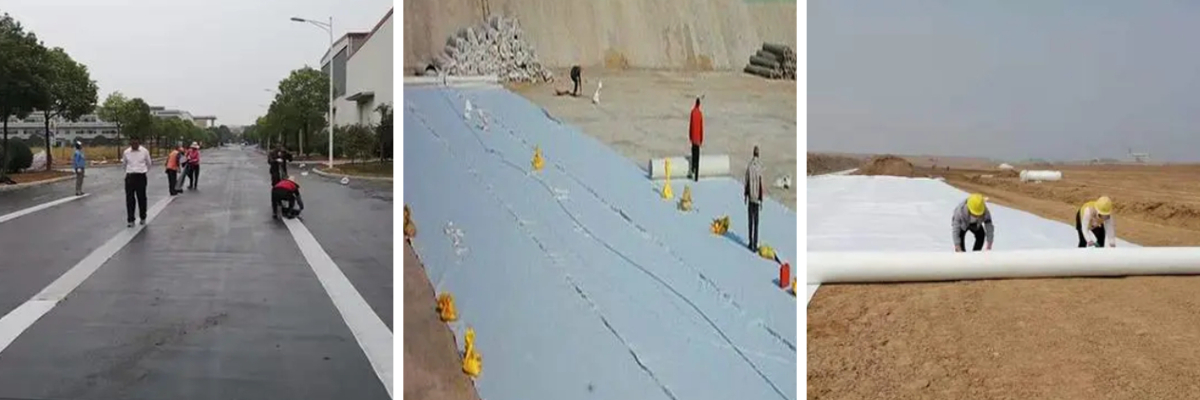
1. Road Engineering: New construction or expansion of roads, asphalt overlay on old cement concrete pavements, crack repair of asphalt pavements, treatment of shrinkage cracks in semi-rigid base layers
2. Bridge Engineering: Waterproofing layer installation on bridge decks
3.Others: Municipal road reinforcement, airport runways, tunnel lining drainage, and other civil engineering applications