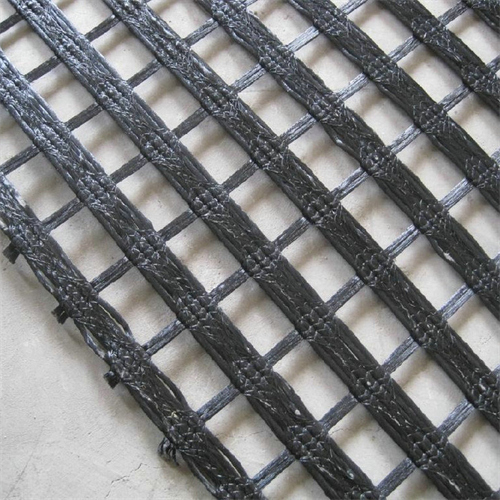
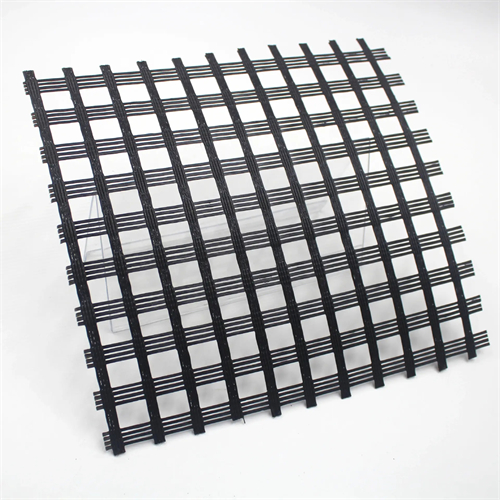
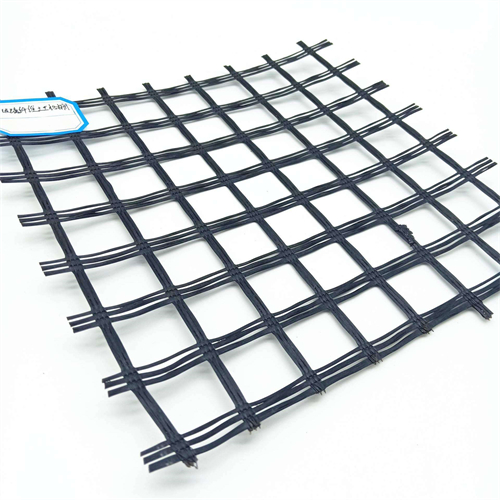
Self-adhesive Fiberglass Geogrid
Core Advantages and Features
1. High Tensile Strength, Low Elongation
Biaxial tensile strength reaches 25–200 kN/m, with a fracture elongation of ≤3%. Effectively resists tensile deformation under long-term loading, preventing structural instability.
2. No Long-Term Creep
Made of inorganic glass fiber (primarily SiO₂), which has stable physical and chemical properties. Does not undergo plastic flow under continuous stress, ensuring engineering durability.
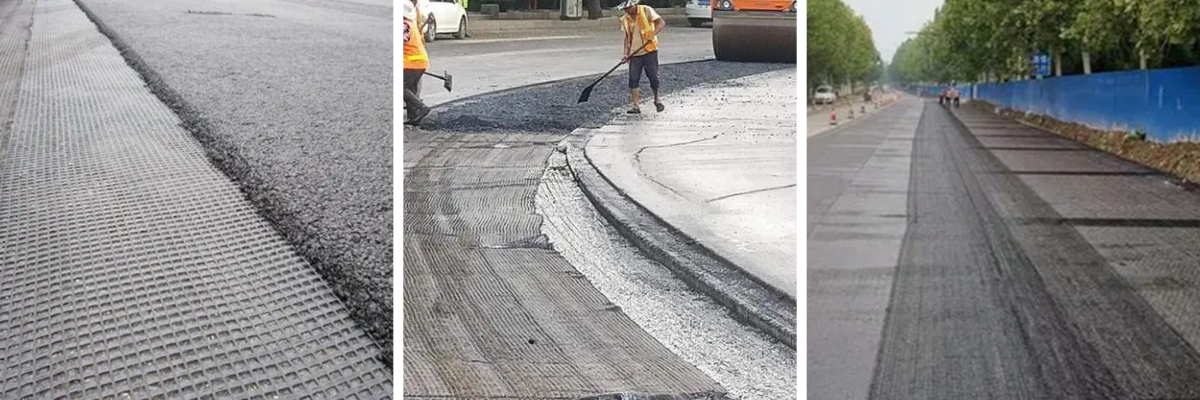
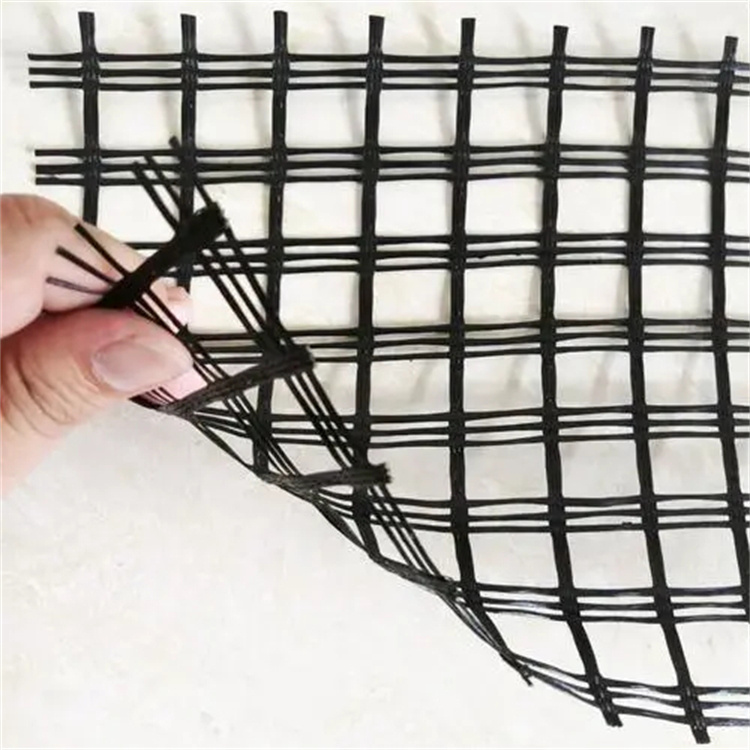
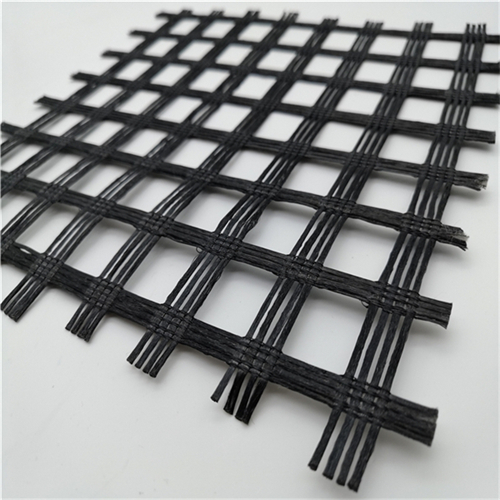
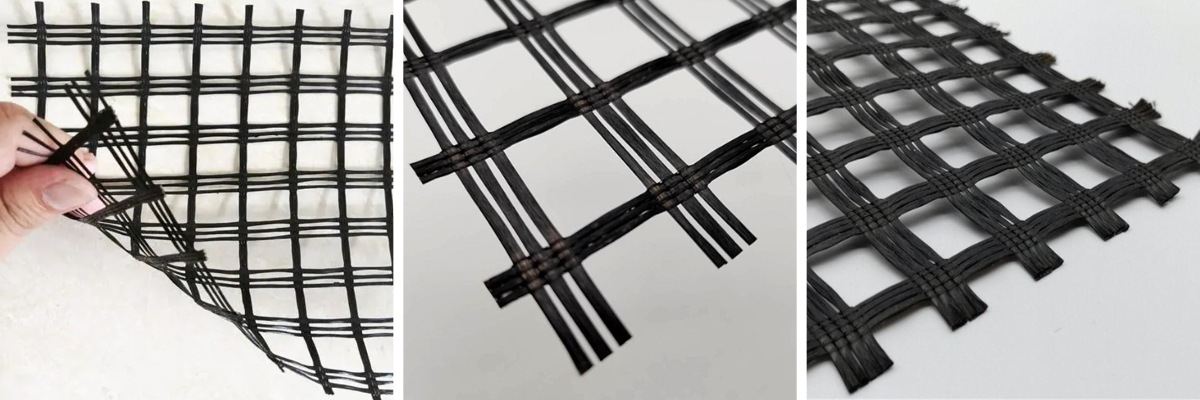
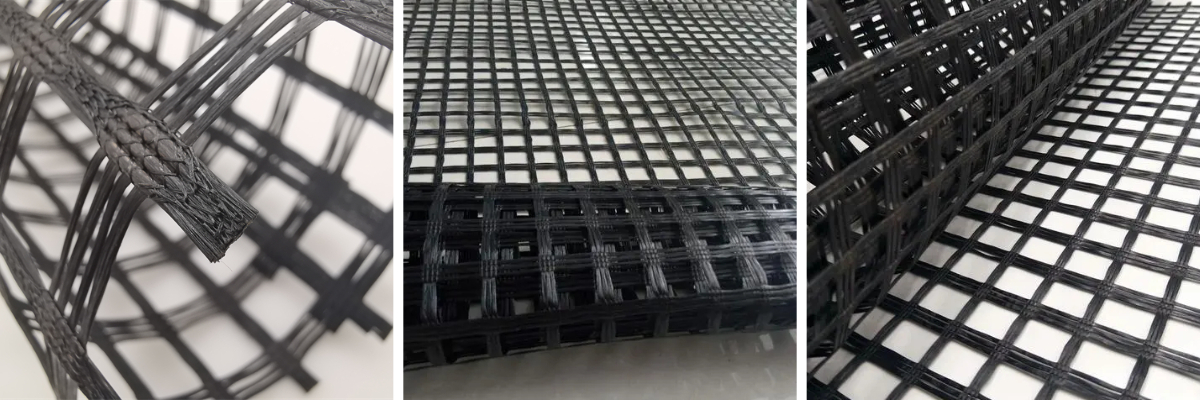
Self-adhesive fiberglass geogrid is a high-performance geosynthetic material upgraded from conventional fiberglass geogrid. It is manufactured by laminating a layer of high-strength pressure-sensitive adhesive onto the surface of fiberglass mesh and covering it with a release liner. Featuring the "lay-and-bond" characteristic, it is widely used in reinforcement and anti-cracking applications in infrastructure projects such as roads, bridges, and airport runways.
Ⅰ. Core Advantages and Features
1. High Tensile Strength, Low Elongation
Biaxial tensile strength reaches 25–200 kN/m, with a fracture elongation of ≤3%. Effectively resists tensile deformation under long-term loading, preventing structural instability.
2. No Long-Term Creep
Made of inorganic glass fiber (primarily SiO₂), which has stable physical and chemical properties. Does not undergo plastic flow under continuous stress, ensuring engineering durability.
3. Excellent Temperature Resistance
Maintains structural stability under extreme temperatures ranging from -100°C to 280°C. Suitable for high-temperature asphalt paving operations and construction in severely cold environments.
4. Self-Adhesive Design for Easy Installation
Pre-coated with a pressure-sensitive adhesive layer (approximately 20% content), eliminating the need for on-site application of tack coat. Simply peel off the release film and lay directly for strong adhesion—reducing construction time by more than 30%, particularly advantageous in rainy and humid conditions.
5. High Compatibility with Asphalt Layers
The self-adhesive layer is formulated from modified asphalt, achieving a dual bonding mechanism of “chemical adhesion + mechanical interlock” with asphalt mixtures. Increases interlayer bond strength by over 40%.
Ⅱ. Typical application scenarios
1. Crack-resistant overlay in "white-to-black" reconstruction of old roads
2. Reconstruction of cement concrete pavements into composite pavements
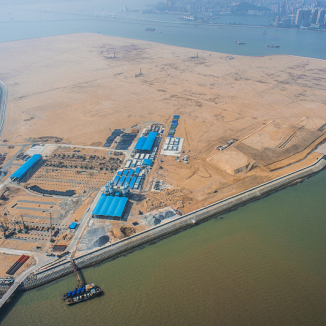
3. Reinforcement of soft soil foundations and prevention of differential settlement
4. Differential settlement control in abutment transition sections
5. Heavy-duty engineering applications such as railways, airport runways, and embankment slopes