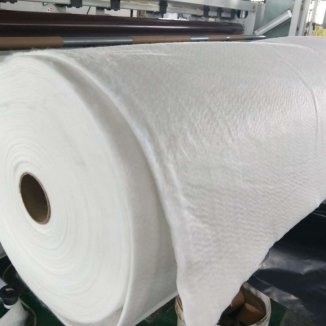
Reservoir geomembrane
1. Highly Efficient Seepage Prevention, Water Conservation and Retention
The hydraulic conductivity of reservoir geomembranes can be as low as ≤10⁻¹⁷ cm/s, effectively preventing water infiltration. This makes them particularly suitable for high-permeability geological conditions such as sandy soil and gravel.
2. Extended Service Life and Reduced Maintenance Costs
High-quality HDPE membranes are designed to last over 50 years when buried, significantly outperforming concrete or clay-based waterproofing structures.
A reservoir geomembrane is a high-performance synthetic waterproofing material specifically designed for water storage facilities. Made primarily from high-density polyethylene (HDPE), linear low-density polyethylene (LLDPE), or polyvinyl chloride (PVC), it features extremely low permeability, high tensile strength, excellent aging resistance, chemical corrosion resistance, and superior environmental adaptability. It is widely used in various reservoir engineering applications, including agricultural irrigation, landscape gardening, drinking water storage, and ecological water replenishment, effectively preventing water leakage, improving water resource utilization efficiency, and extending the service life of infrastructure.

I. Core Features and Advantages
1. Highly Efficient Seepage Prevention, Water Conservation and Retention
The hydraulic conductivity of reservoir geomembranes can be as low as ≤10⁻¹⁷ cm/s, effectively preventing water infiltration. This makes them particularly suitable for high-permeability geological conditions such as sandy soil and gravel.
Real-world applications demonstrate that water storage efficiency can exceed 95%, representing a 60–80% improvement in water savings compared to traditional earthen ponds.
2. Extended Service Life and Reduced Maintenance Costs
· High-quality HDPE membranes are designed to last over 50 years when buried, significantly outperforming concrete or clay-based waterproofing structures.
· Their smooth surface resists sediment buildup, reduces cleaning frequency, and enables easier long-term operation and maintenance.
3. Suppression of Algal Growth and Stable Water Quality
Geomembranes block the upward migration of soil nutrients, effectively reducing the risk of water eutrophication and algal blooms, thereby helping to maintain the water quality required for aquaculture or irrigation.
4. Fast Installation and Low Overall Cost
Compared to concrete pouring, geomembrane installation requires no formwork, has a short curing period, and allows rapid deployment. Labor and material costs can be reduced by 30–50%, making it especially suitable for agricultural projects with seasonal water demands.

II. Typical Applications
1. Agricultural irrigation reservoirs: Collecting rainwater or diverting water for irrigation to ensure crop water supply during dry seasons
2. Orchard/tea plantation water tanks: Providing a stable water source for fruit trees and supporting the operation of drip irrigation systems
3. Landscape ornamental ponds: Waterproofing the bottoms of artificial lakes and fountains to maintain constant water levels
4. Emergency drinking water storage tanks: Storing domestic water in mountainous and pastoral regions
5. Ecological wetland replenishment ponds: Used for regulating and supplementing water in wetland ecosystems