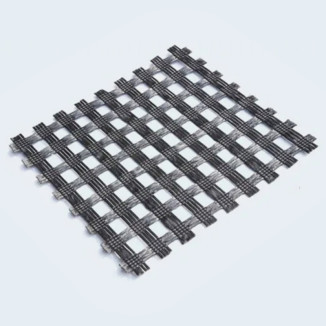
Geocell driveway
Similar Application Scenarios:
· Road soft foundation treatment (e.g., marshlands, sandy soils)
· Slope protection projects
· Temporary construction access roads
· Ecological parking lot construction
· Areas with soft, easily collapsible foundations
· Desire for permeable, ecologically friendly landscape design
A three-dimensional honeycomb-like grid structure made of polymers such as high-density polyethylene (HDPE), which is filled with gravel, sand, soil, or concrete after installation to form a stable load-bearing layer. It serves to enhance foundation strength and prevent settlement and lateral displacement.

I. Similar Application Scenarios:
· Road soft foundation treatment (e.g., marshlands, sandy soils)
· Slope protection projects
· Temporary construction access roads
· Ecological parking lot construction
· Areas with soft, easily collapsible foundations
· Desire for permeable, ecologically friendly landscape design
· Need for long-lasting, low-maintenance residential or temporary access pathways

II. Construction Process Detailed Explanation
1. Remove and compact topsoil
Excavate surface vegetation and loose soil layers (approximately 15–30 cm). Fully compact the underlying natural soil layer using a roller or plate compactor to ensure a level foundation and eliminate potential settlement risks.
2. Lay the bottom gravel base layer
Install a 40–70 mm thick layer of graded crushed stone as the sub-base. Compact again to form a stable load-bearing layer that facilitates drainage and load distribution.
3. Unfold and secure the geocell grid
Unfold the folded geocell in the direction of the roadway to form a honeycomb-like three-dimensional structure. Secure the edges and joints with U-shaped nails or anchor pins to prevent displacement during installation. Adjacent cells should be tightly joined together to avoid gaps.