Pavement Maintenance Geotextile
Core Functions
1) Anti-Reflection Cracking
Absorbs shear stress at joints/cracks of old concrete slabs, blocks base cracks from propagating to the surface.Reduces pavement crack occurrence by over 40% and extends fatigue life by 3+ times.
2) Separation
Prevents intermixing of subgrade soil, base aggregate, and asphalt/concrete overlay; maintains structural integrity.
3) Filtration & Drainage
Allows water to pass through while retaining fine particles; prevents subgrade erosion & water-induced softening.
Pavement Maintenance Geotextile
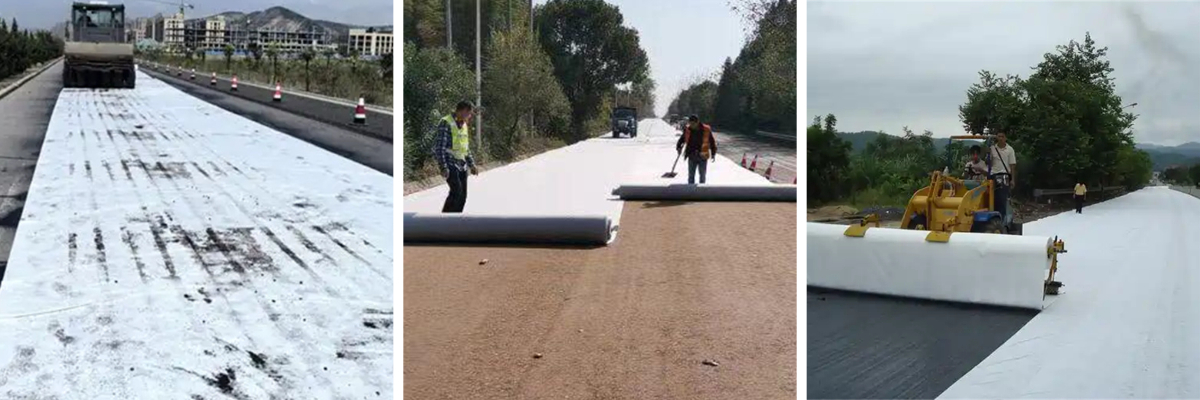
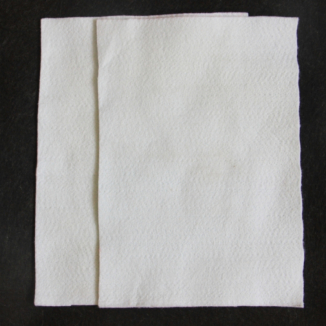
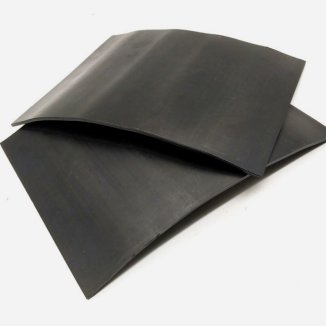
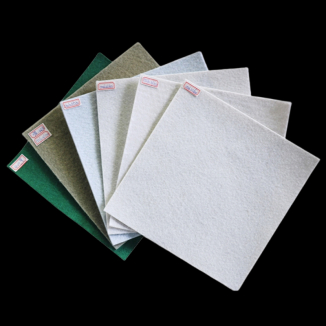
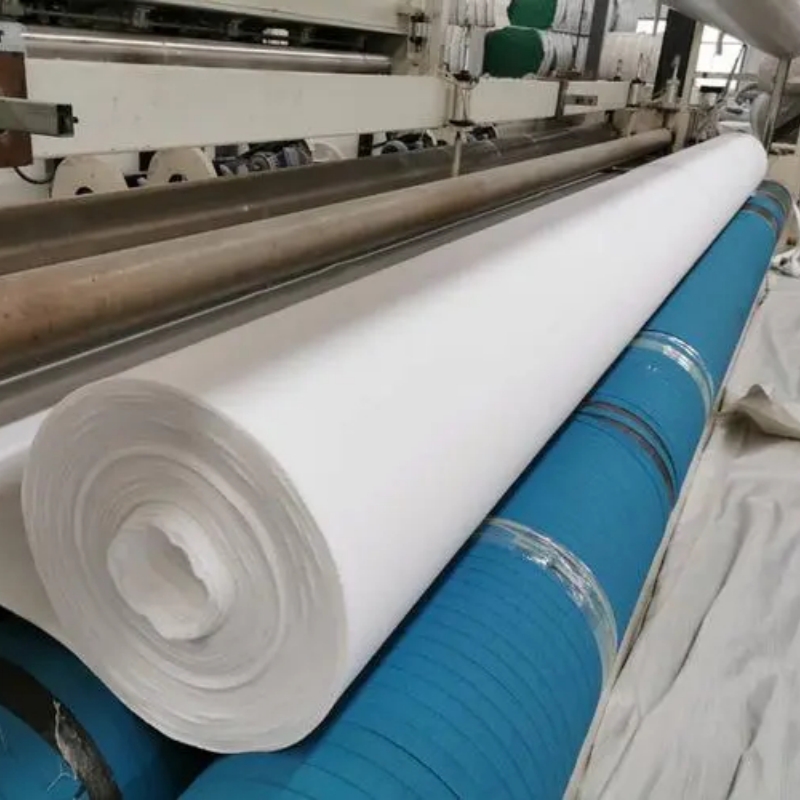
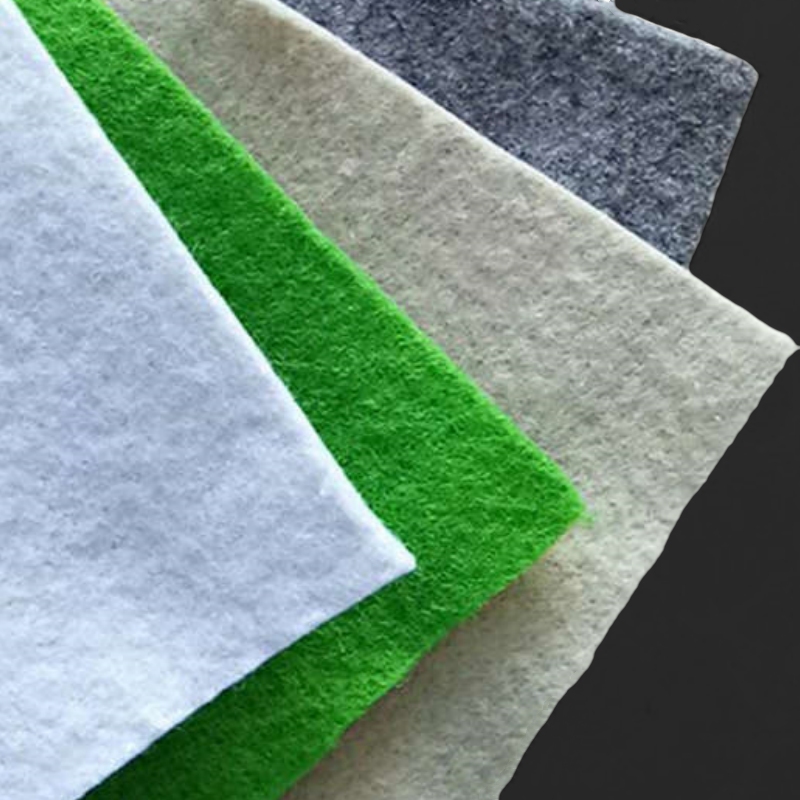
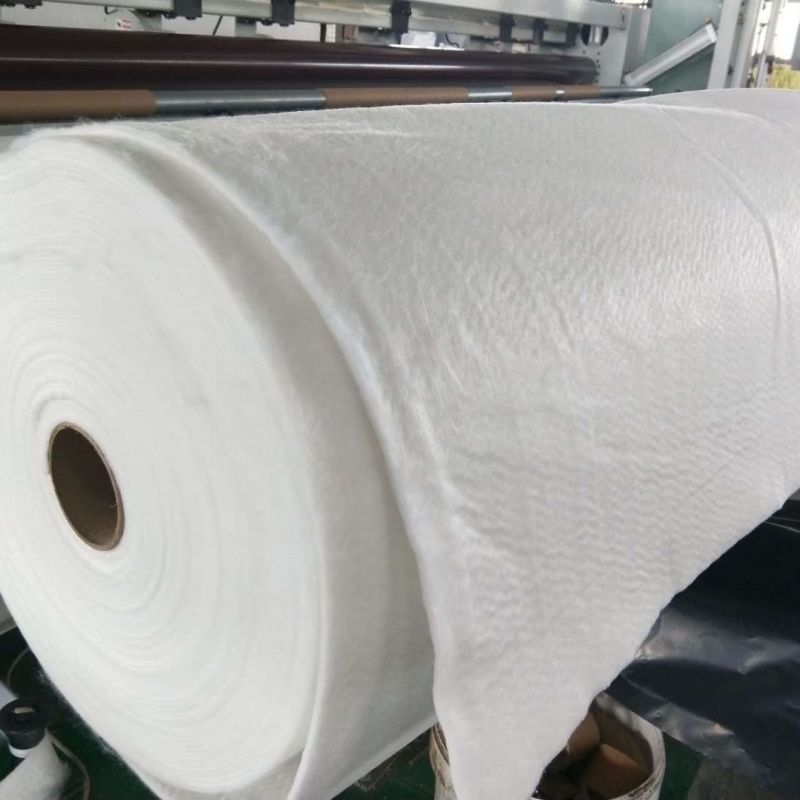
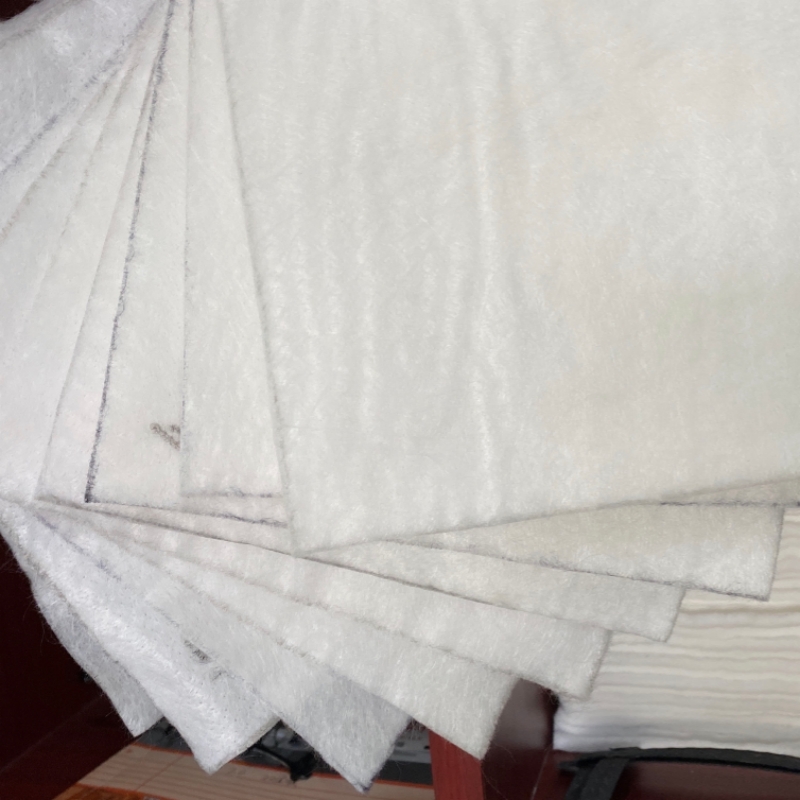
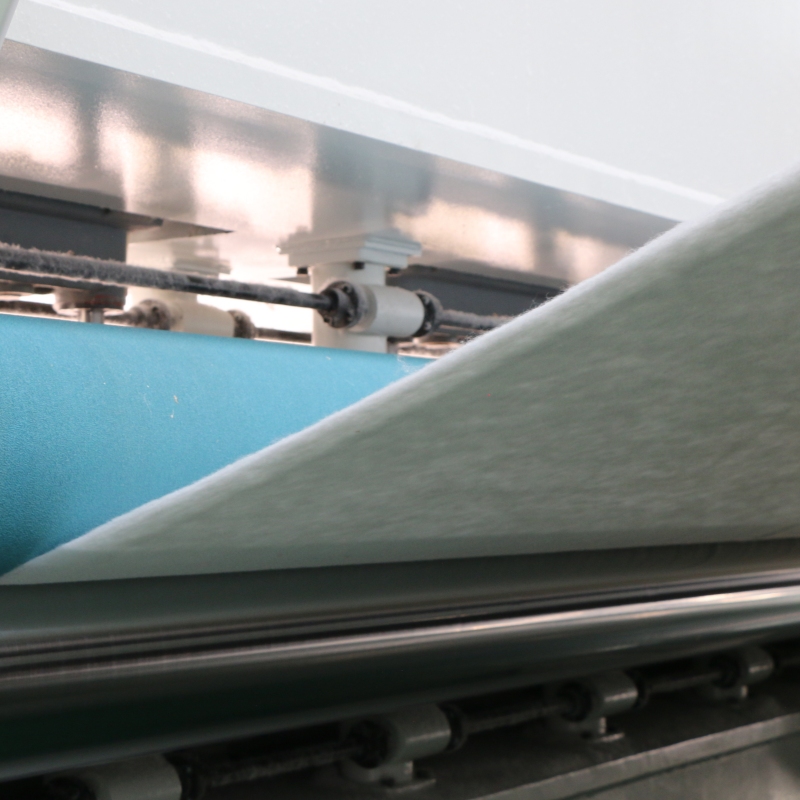
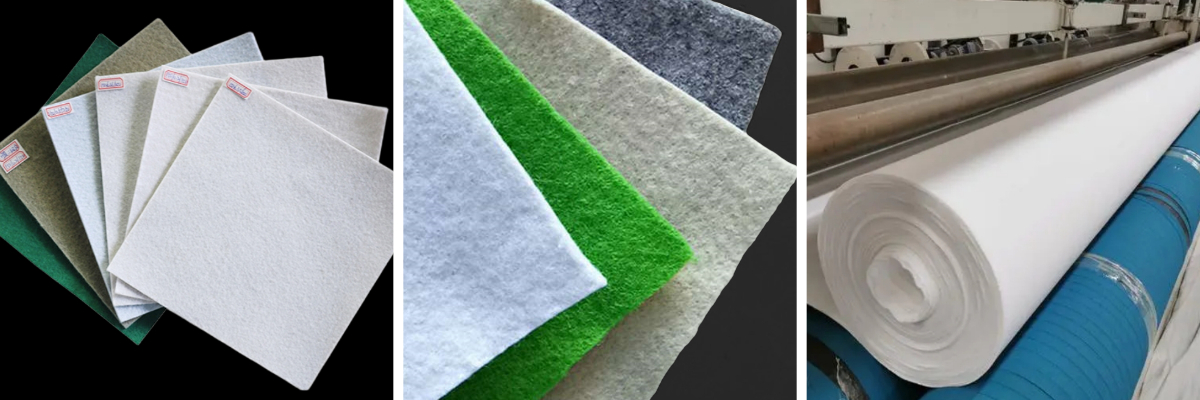
Pavement maintenance geotextile is a permeable geosynthetic made of polyester or polypropylene fibers via needle-punching or weaving, designed specifically for road surface repair, reinforcement, and anti-crack treatment. It is widely used in asphalt & concrete pavement rehabilitation, overlay projects, and subgrade stabilization.
1. Core Functions
1) Anti-Reflection Cracking
Absorbs shear stress at joints/cracks of old concrete slabs, blocks base cracks from propagating to the surface.Reduces pavement crack occurrence by over 40% and extends fatigue life by 3+ times.
2) Separation
Prevents intermixing of subgrade soil, base aggregate, and asphalt/concrete overlay; maintains structural integrity.
3) Filtration & Drainage
Allows water to pass through while retaining fine particles; prevents subgrade erosion & water-induced softening.
4) Reinforcement
Distributes traffic loads evenly, reduces stress concentration & rutting; improves overall stability.
5) Waterproofing & Thermal Insulation
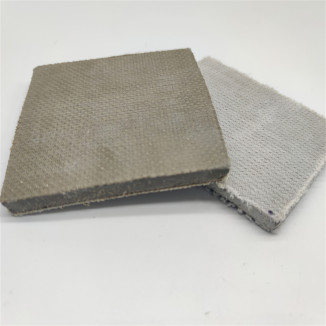
Impregnated with asphalt to form a waterproof barrier; mitigates temperature stress in cold/hot regions.
2. Material & Performance
1) Raw Material
Polyester (PET): High strength, chemical stability, melting point ~230°C; for heavy-duty roads.Polypropylene (PP): Lightweight, corrosion-resistant; ideal for wet subgrades.
2) Key Specifications (Common)
Weight: 200–800 g/m² (400–600 g/m² most common for pavement).Tensile Strength: ≥8–120 kN/m (longitudinal), ≥8–100 kN/m (transverse).Elongation: 40%–60%.CBR Burst Strength: ≥2000–3200 N.Temperature Resistance: Withstands 150°C+ asphalt paving; stable in -40°C to +60°C.
3. Typical Applications
Old Concrete Pavement Overlay: Between old slabs and new asphalt; suppresses reflection cracks.Asphalt Pavement Rehabilitation: Mends cracks, potholes, and rutting; extends service life.Subgrade Stabilization: Separates soft subgrade from base aggregate; reduces settlement.Bridge Deck & Airport Runway Maintenance: Anti-crack, waterproof, and reinforcement.
4. Advantages
Cost-Effective: Cuts lifecycle cost by 20%–30%; extends maintenance cycle by 50%+.Easy Installation: Lightweight, flexible; fast laying with minimal traffic disruption.Durability: Resists UV, aging, and chemical corrosion; service life ≥10 years.
5. Construction Tips
Surface Preparation: Clean and repair existing cracks/potholes before laying.Laying Direction: Rough side up; overlap 10–15 cm at seams.Bonding: Apply tack coat (asphalt emulsion) to ensure full adhesion with layers.