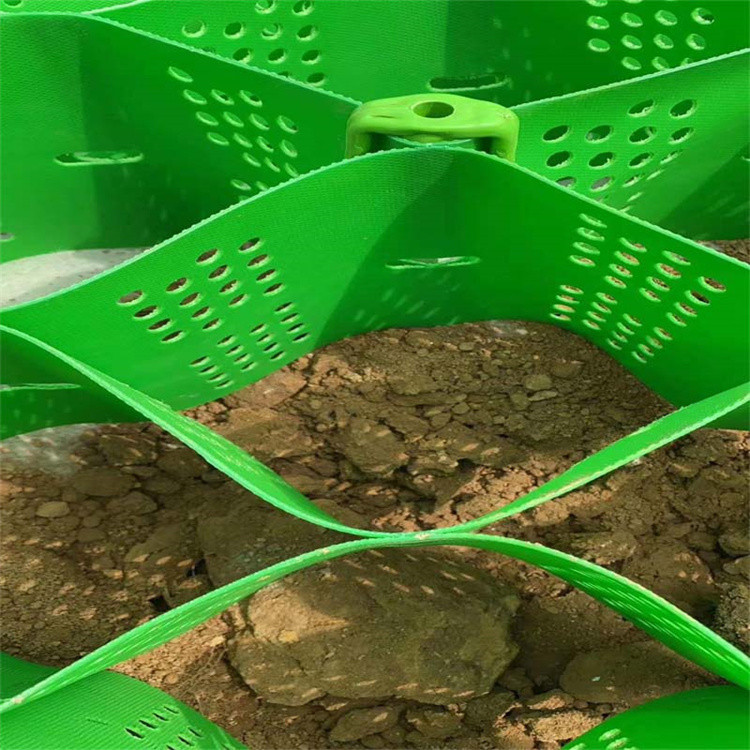


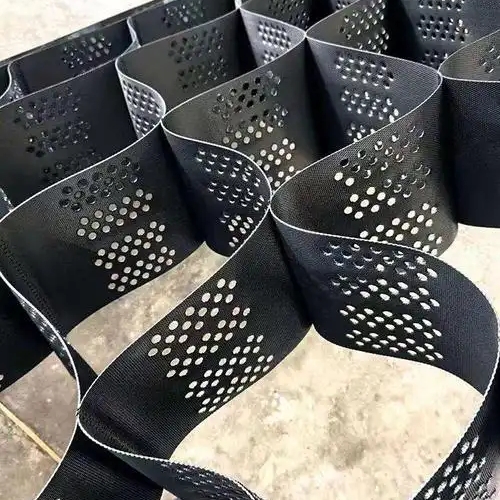
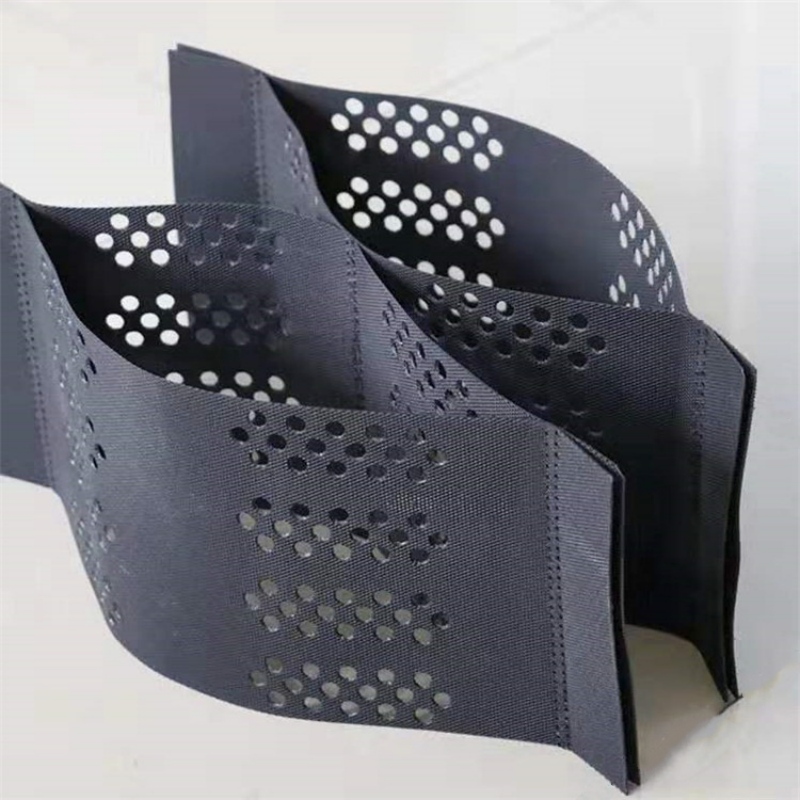
HDPE geocell driveway
1. Prevent gravel migration and rutting
Compared with ordinary loose gravel driveways, geocell fixes aggregate permanently without frequent refilling and maintenance.
2. Adapt to weak soil foundation
Works well on clay, silt and backfilled soil where traditional gravel pavement easily sinks.
3. Eco-friendly permeable pavement
Reduce surface runoff; no concrete sealing, comply with rainwater infiltration requirements.
4. Low construction cost and simple installation
No complex heavy machinery required; local gravel can be used as filling material.
Introduction to HDPE Geocell for Driveway Construction
1. Definition
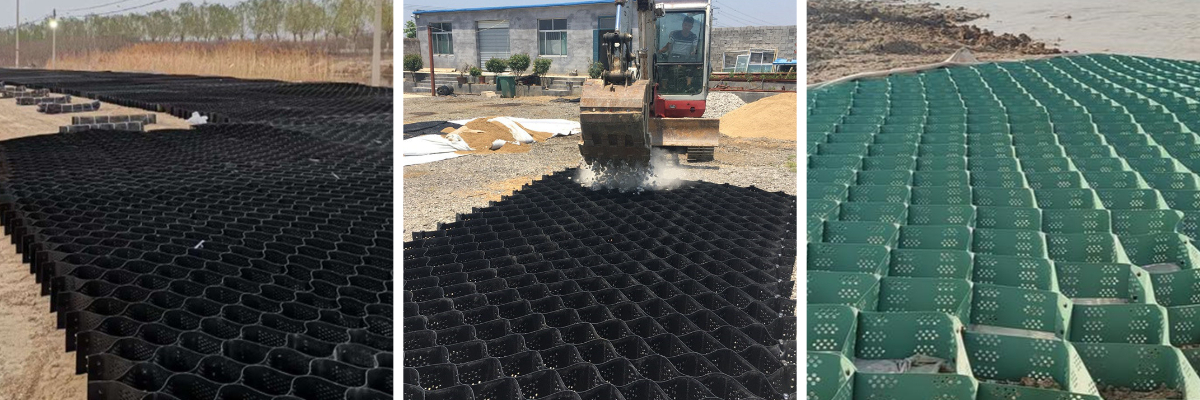
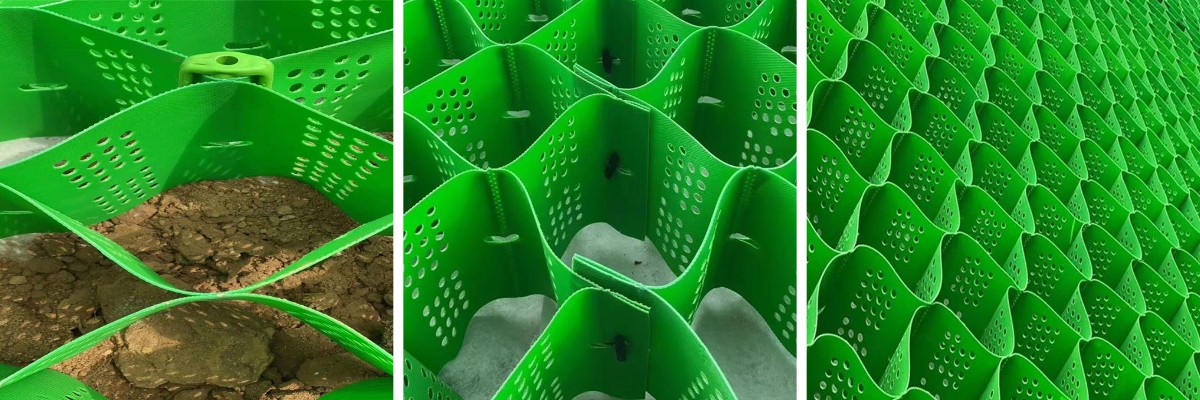
HDPE geocell driveway adopts HDPE Cellular Confinement System (HDPE geocell) as the stable base layer of driveways. Folded HDPE honeycomb geocell is unfolded, anchored and filled with gravel, crushed stone or recycled aggregate to form a rigid composite load-bearing mattress. It serves residential driveways, private access roads, farm driveways and short-distance light vehicle passages, solving common problems such as ground sinking, rutting and gravel displacement on unpaved driveways.
2. Raw Material & Recommended Specifications
Made of modified virgin HDPE blended with UV stabilizer and antioxidant.
Recommended specifications for driveways:
- Cell height: 100 mm / 150 mm (most common)
- Sheet thickness: 1.0–1.2 mm for light passenger vehicles; 1.2–1.5 mm for occasional pickup trucks and small trailers
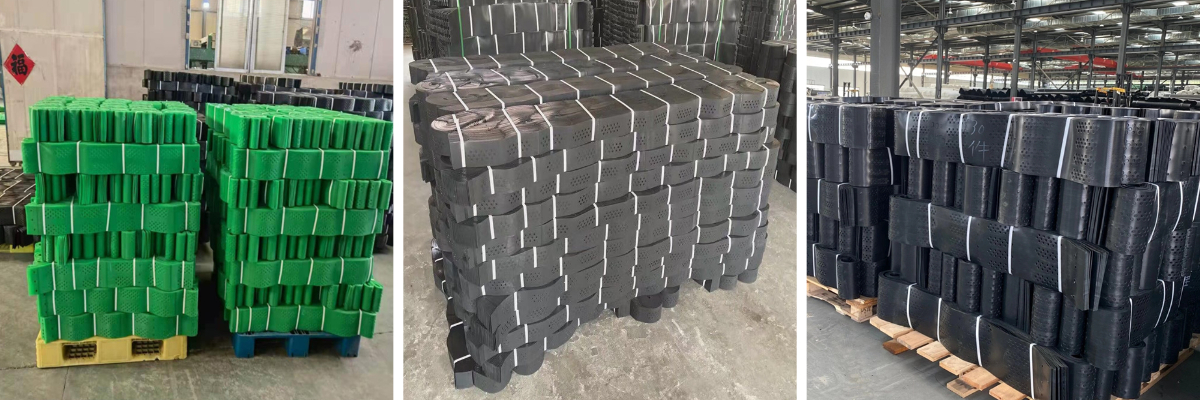
- Surface type: Solid textured HDPE geocell for dry ground; perforated HDPE geocell for low-lying, poor-drainage sites
- Weld peel strength: ≥8 kN/m
3. Working Principle
1. Lateral Confinement
The honeycomb structure locks gravel tightly and prevents aggregate from shifting outward under vehicle rolling, eliminating rutting and potholes.
2. Load Distribution
Scatter concentrated wheel loads across a wider area, reduce vertical pressure on natural soil and minimize differential settlement on soft soil.
3. Permeable Performance
Rainwater infiltrates through gaps between fillers directly into subsoil. No need for extra drainage pipes; achieve permeable driveway effect and avoid surface ponding.
4. Core Advantages of HDPE Geocell Driveway
1. Prevent gravel migration and rutting
Compared with ordinary loose gravel driveways, geocell fixes aggregate permanently without frequent refilling and maintenance.
2. Adapt to weak soil foundation
Works well on clay, silt and backfilled soil where traditional gravel pavement easily sinks.
3. Eco-friendly permeable pavement
Reduce surface runoff; no concrete sealing, comply with rainwater infiltration requirements.
4. Low construction cost and simple installation
No complex heavy machinery required; local gravel can be used as filling material.
5. Flexible structure
Tolerate minor ground deformation without cracking; long service life with proper installation.
6. Multiple surface options
Can be finished with exposed gravel, turf (grass-filled geocell driveway) or topped with asphalt.
5. Typical Application Scenarios
- Residential private driveways
- Farm & ranch access driveways
- Cabin, villa temporary driveways
- Campground internal passageways
- Light-load parking bays
6. Standard Construction Steps for HDPE Geocell Driveway
1. Excavate foundation to design depth; remove soft mud and weeds.
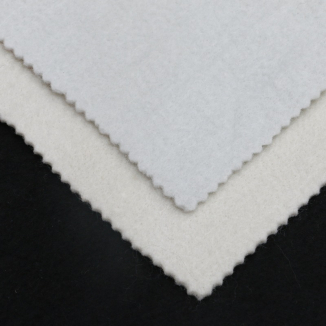
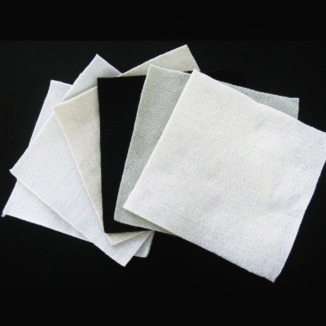
2. Level and compact subsoil; lay non-woven geotextile as separation layer to stop soil mixing with gravel.
3. Unfold HDPE geocell fully, fix edges and joints with U-shaped ground nails.
4. Fill graded gravel into honeycomb cells, vibrate and compact layer by layer.
5. Add surface finishing: top gravel, turf or thin asphalt layer as required.