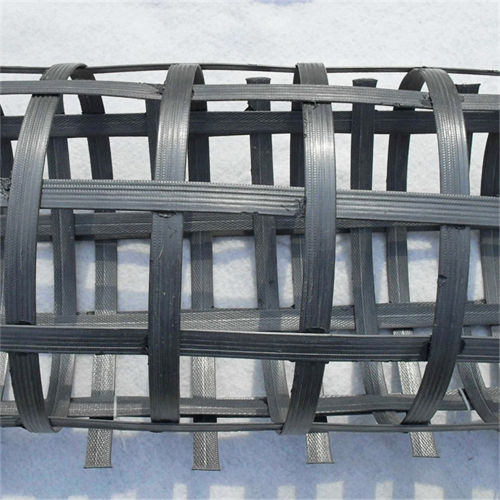
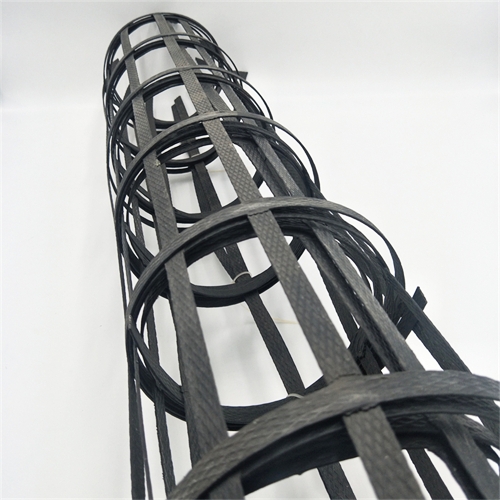
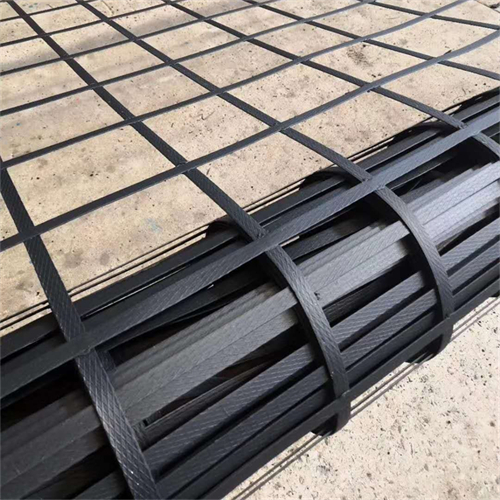
Steel-plastic geogrid for subgrade
Core Performance
·High Strength: Longitudinal/transverse tensile strength of 50–200 kN/m (comparable to low-carbon steel).
·Low Elongation: Fracture elongation ≤3%; excellent creep resistance (minimal deformation under long-term loading).
·Corrosion Resistance: Plastic layer isolates the steel core from acids, alkalis, and saline soils, ensuring a service life of 50+ years.
·Strong Interlock: Surface embossing or raised nodal points provide high friction and mechanical interlock with soil, effectively constraining lateral soil movement.
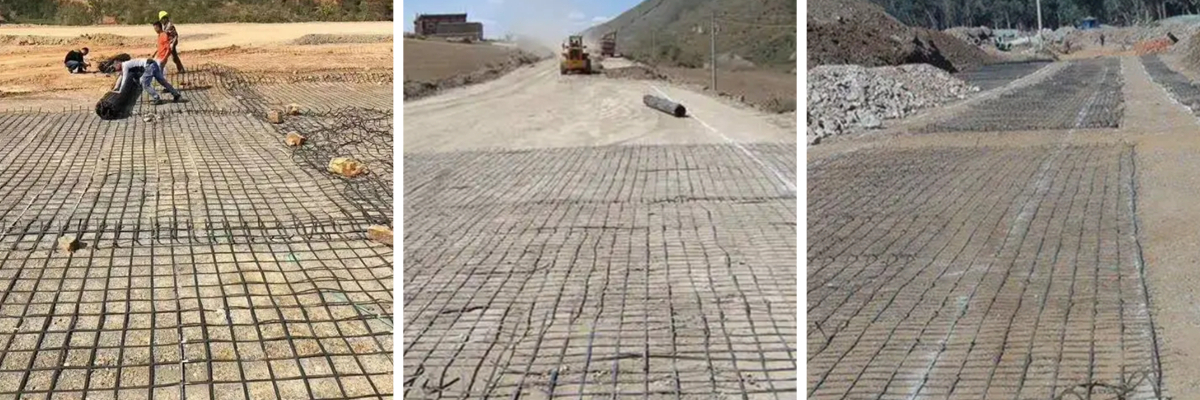
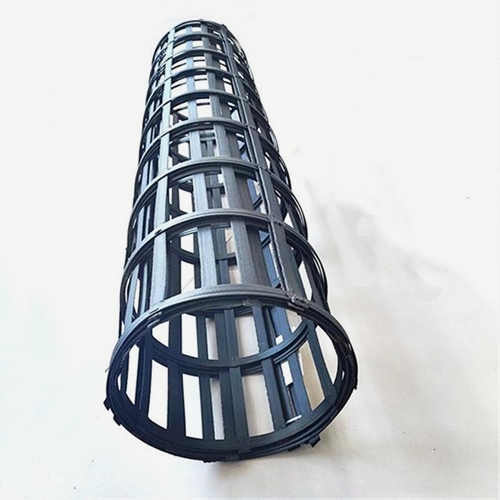
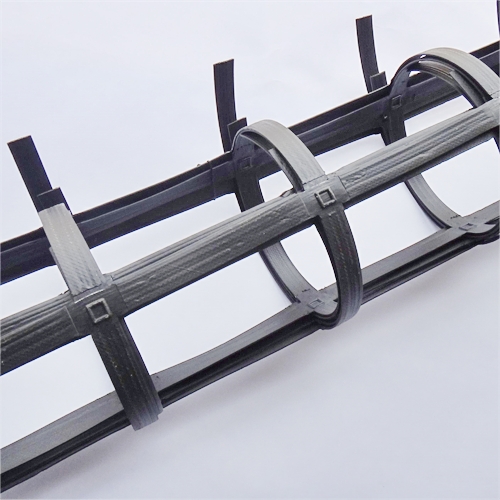
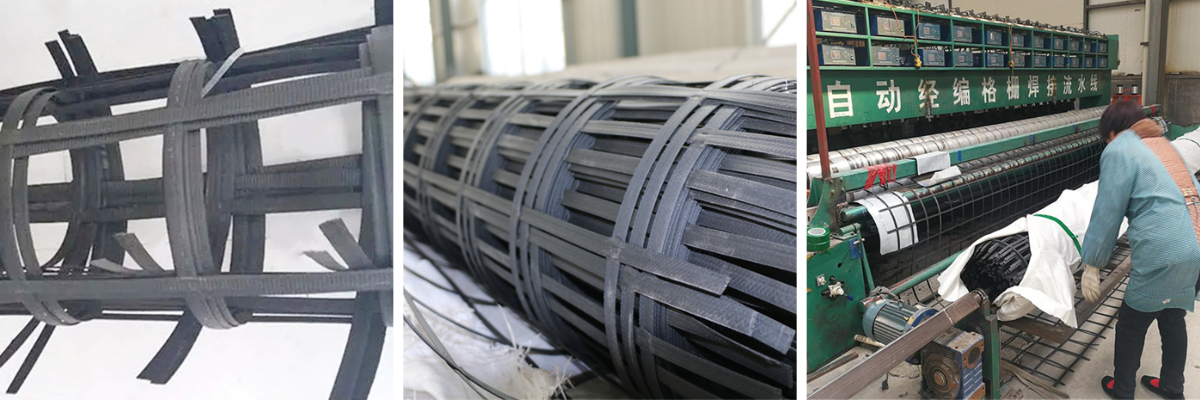
Steel-plastic geogrid for subgrade is a specialized steel-plastic composite geosynthetic material used in highway and railway subgrade reinforcement. It features high-strength steel wires as the core, coated with polyethylene (PE), offering the combined advantages of high tensile strength, low elongation, and corrosion resistance. It is a key reinforcing material for addressing subgrade settlement, deformation, and pavement cracking.
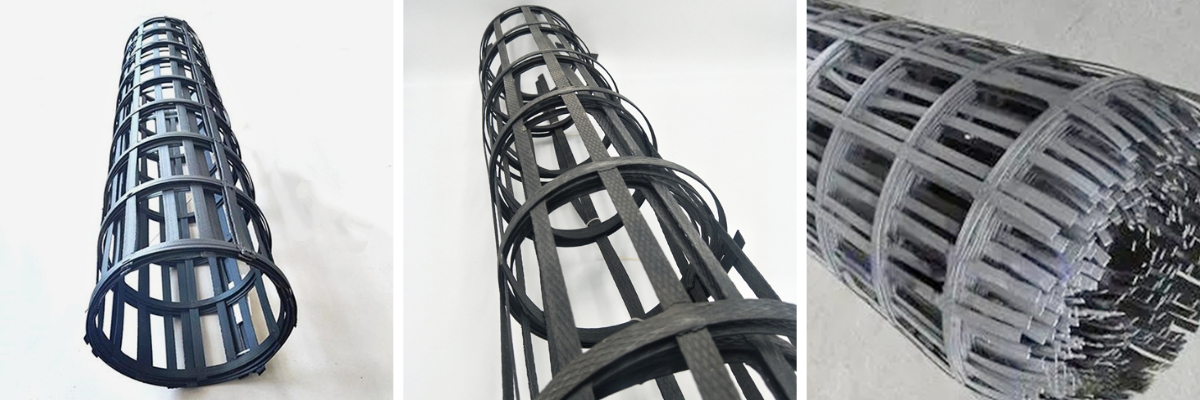
Ⅰ. Product Structure and Features
1. Material Composition: High-strength galvanized steel wires (load-bearing skeleton) + high-density polyethylene (PE/PP) protective layer, integrally extruded and ultrasonically welded into a grid structure.
2. Core Performance
·High Strength: Longitudinal/transverse tensile strength of 50–200 kN/m (comparable to low-carbon steel).
·Low Elongation: Fracture elongation ≤3%; excellent creep resistance (minimal deformation under long-term loading).
·Corrosion Resistance: Plastic layer isolates the steel core from acids, alkalis, and saline soils, ensuring a service life of 50+ years.
·Strong Interlock: Surface embossing or raised nodal points provide high friction and mechanical interlock with soil, effectively constraining lateral soil movement.
3. Main Types
·Bidirectional Steel-Plastic Geogrid: Most commonly used in subgrade reinforcement; high strength in both directions for overall stabilization.
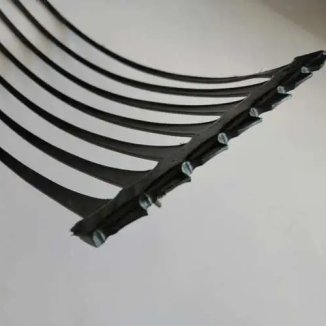
·Unidirectional Steel-Plastic Geogrid: High longitudinal strength; used in slopes and retaining walls.
·Nodal-Point Steel-Plastic Geogrid: High node force (up to 500 N); suitable for heavy-duty applications and new-to-existing subgrade joints.
Ⅱ. Core Functions in Subgrade Engineering
1. Reinforcement of Soft Soil Foundations
·Enhances bearing capacity and reduces total settlement by over 40%, effectively controlling differential settlement.
·Accelerates drainage and consolidation of soft soils, forming a "geogrid–soil" composite structure.
2. Mitigation of Subgrade Deformation and Cracking
·Distributes vehicular loads and reduces localized stress concentration.
·Prevents lateral extrusion and heave of subgrade, ensuring overall stability.
3. New-to-Existing Subgrade Joints (Road Widening)
·Eliminates differential settlement between new and existing subgrades, avoiding longitudinal cracks and "bump at the end of the bridge" (commonly known as "jumping vehicle" phenomenon).
·Standard practice: Install at 20 cm below the subgrade surface, with longitudinal strength ≥60 kN/m and transverse strength ≥20 kN/m.
4. Stabilization of High Embankments and Steep Slopes
·Increases shear strength of soil, preventing landslides and slope failures.
5. Crack Prevention in Pavement Base Layers
·Delays the onset of reflective cracking, extending road service life from 8–10 years to 15–20 years.