Reinforced steel-plastic geogrid
Core Performance Characteristics
·Extremely high tensile strength: Load is carried by the steel wire skeleton, providing high longitudinal and transverse tensile resistance, ensuring long-term deformation resistance under heavy loads.
·Extremely low elongation (≤3%): Resists stretching and elongation, ensuring durable and stable reinforcement performance.
·Corrosion and aging resistance: Steel wires are encapsulated in plastic, providing resistance to acids, alkalis, saline soils, and groundwater corrosion.
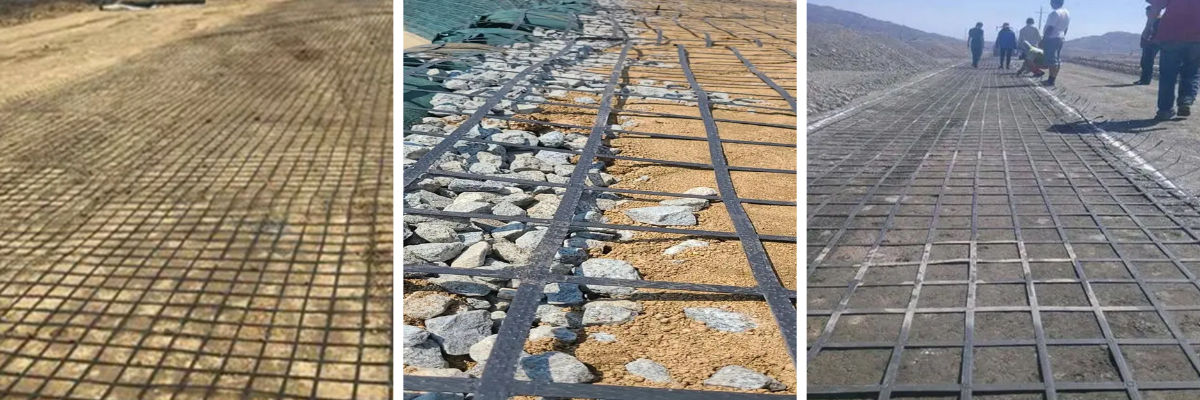
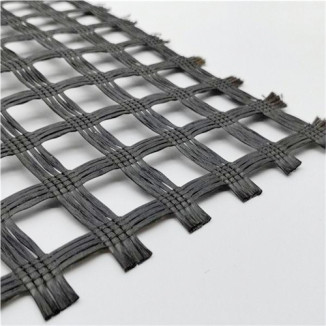
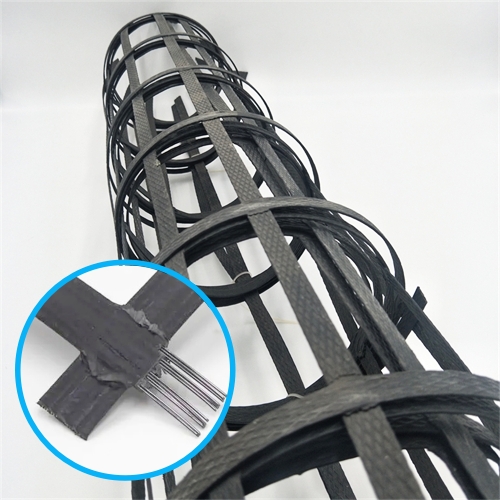
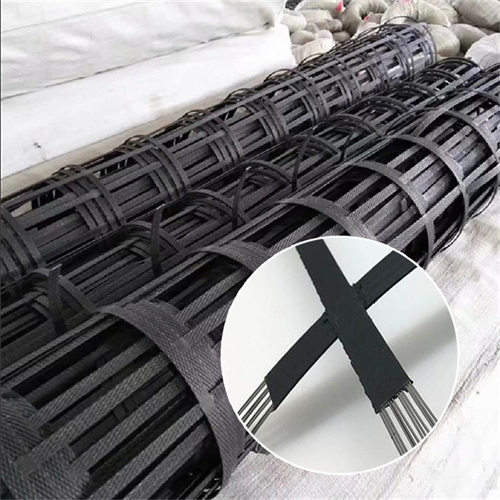
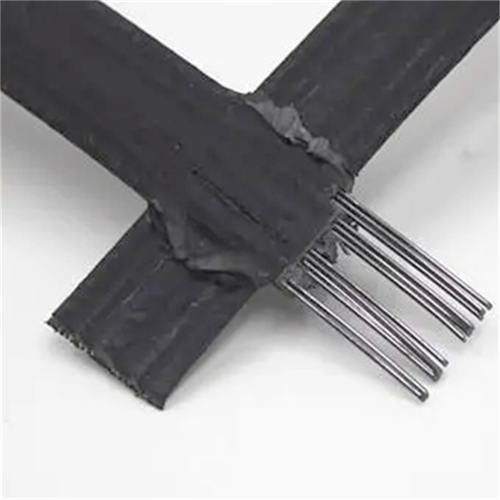
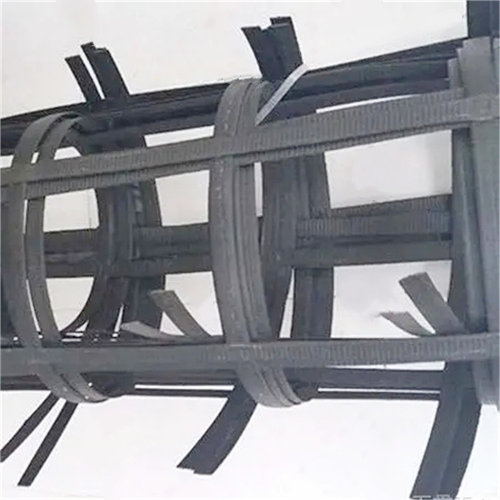
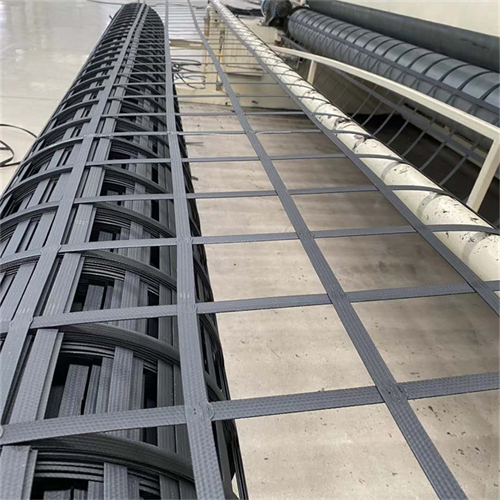
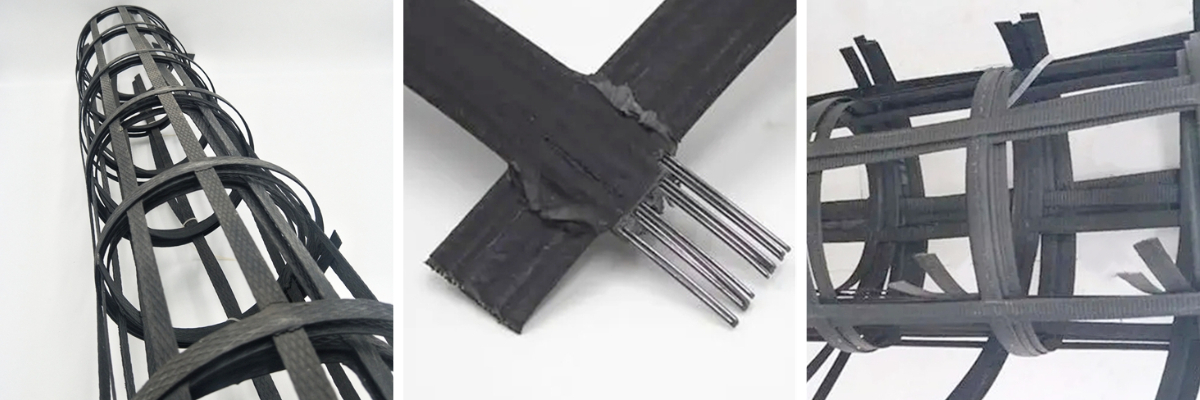
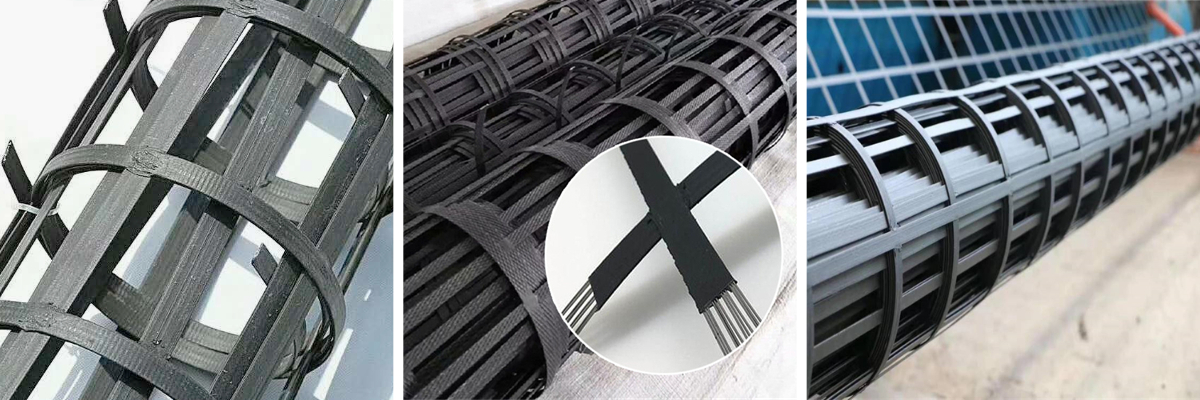
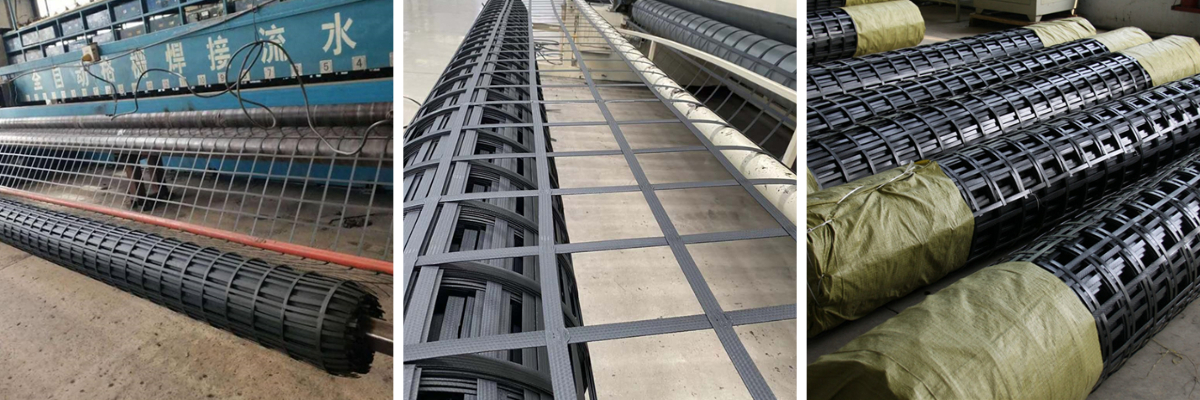
A reinforced steel-plastic geogrid is a grid-shaped reinforcement material made of high-strength galvanized steel wires as the load-bearing strips, encased in high-density polyethylene (PE) plastic, and formed through high-temperature lamination and strong node welding.
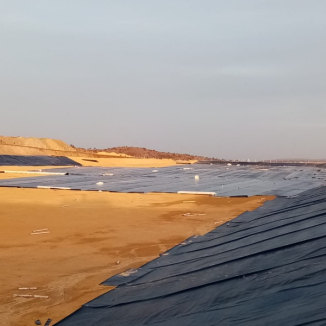
It is specifically used in subgrade reinforcement, foundation stabilization, slope protection, abutment backfill, and new-to-existing road joints. By leveraging the mechanical interlock between the reinforcement and surrounding soil, it significantly enhances the overall strength of the soil mass, and effectively suppresses settlement, cracking, and shear deformation. It is a core reinforcing material for highway and railway subgrade engineering.
Ⅰ. Reinforcement Principle
·The geogrid tightly interlocks and frictionally engages with the backfill soil, constraining lateral soil movement.
·Distributes upper vehicular loads and uniformly transfers stress, reducing stress concentration in the subgrade.
·Forms a composite load-bearing system with the soil, enhancing the subgrade’s bearing capacity and shear strength.
·Resists long-term creep deformation, reduces differential settlement, and prevents reflective cracking in the pavement.
II . Core Performance Characteristics
·Extremely high tensile strength: Load is carried by the steel wire skeleton, providing high longitudinal and transverse tensile resistance, ensuring long-term deformation resistance under heavy loads.
·Extremely low elongation (≤3%): Resists stretching and elongation, ensuring durable and stable reinforcement performance.
·Corrosion and aging resistance: Steel wires are encapsulated in plastic, providing resistance to acids, alkalis, saline soils, and groundwater corrosion.
·High node剥离 force: Resists delamination and wire breakage, ensuring strong overall reinforcement integrity.
High friction coefficient: Strong adhesion with soil, resulting in excellent anchoring and reinforcement effectiveness.
·Resistant to low temperatures and UV exposure: Ensures a long service life of over 50 years for subgrade applications.
III. Main Reinforcement Applications
·Highway and railway subgrade reinforcement: Reinforcement of high embankments and soft soil foundations.
·Road widening projects: Geogrid reinforcement at new-to-existing subgrade joints to prevent longitudinal cracking and differential settlement-induced "bump at the end of the bridge" (commonly known as "jumping vehicle" phenomenon).
·Abutment, culvert, and passage backfill reinforcement: Reduces differential settlement behind structures, minimizing bridge approach settlement and ride discomfort.
·Slope, dike, and retaining wall reinforcement for slope protection: Prevents landslides and slope failures.
·Subgrade stabilization for airport runways, plant roads, and heavy-duty storage yards: Enhances load-bearing capacity under high-intensity traffic and static loads.
·Pavement base layer reinforcement: Delays reflective cracking in asphalt overlays, extending service life.