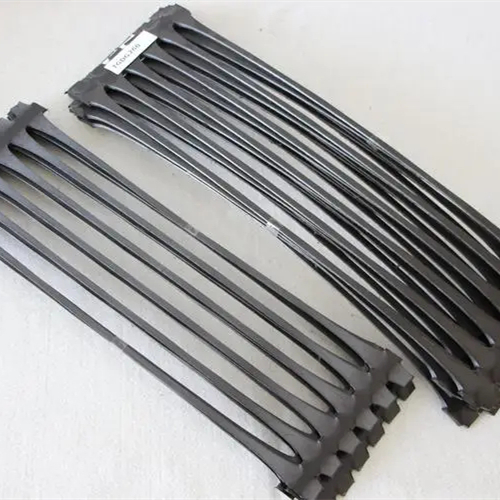
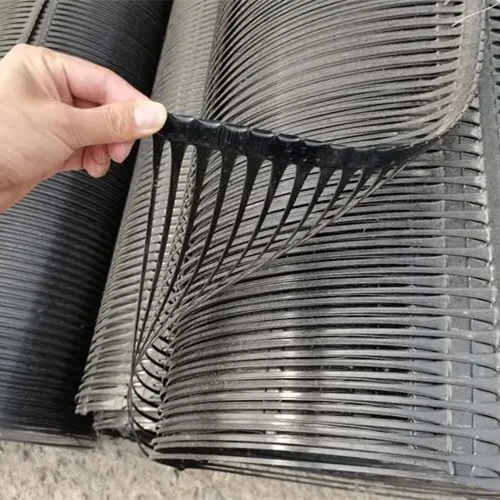
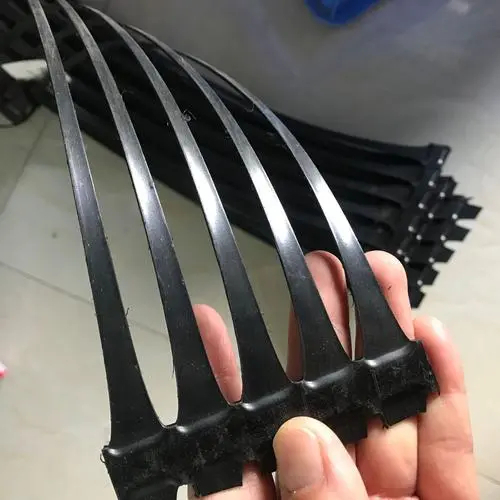
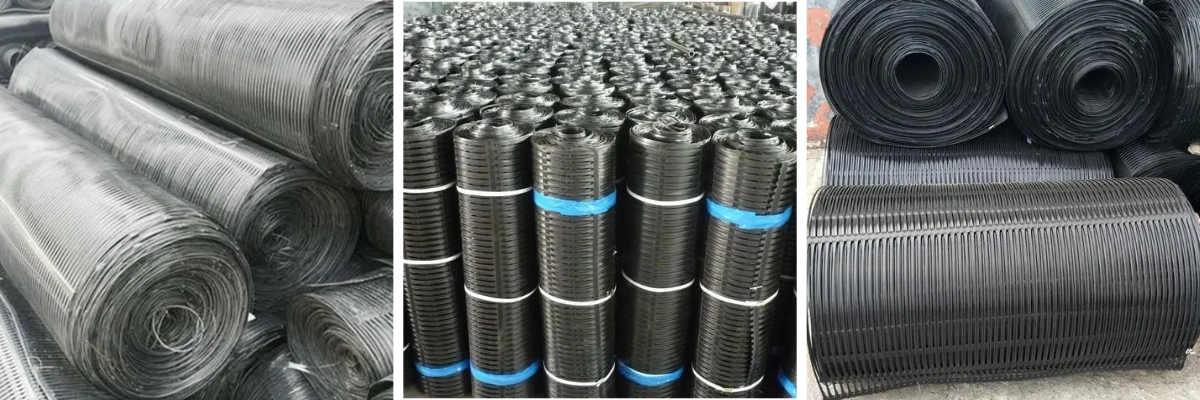
Uniaxial Plastic Geogrid for Slope Protection
Typical Slope Protection Application Scenarios
·Highway and railway subgrade slopes (cut slopes / fill slopes)
·River dykes and reservoir banks (wave resistance, seepage prevention, sliding resistance)
·Mine slopes and spoil yards (slope stabilization, dust suppression, vegetation greening)
·Bridge abutments, foundation pits and steep slopes (temporary / permanent support)
·Ecological slope protection (geogrid + ecological bags / grass planting / 3D geonet)
·Landslide remediation and aging slope reinforcement
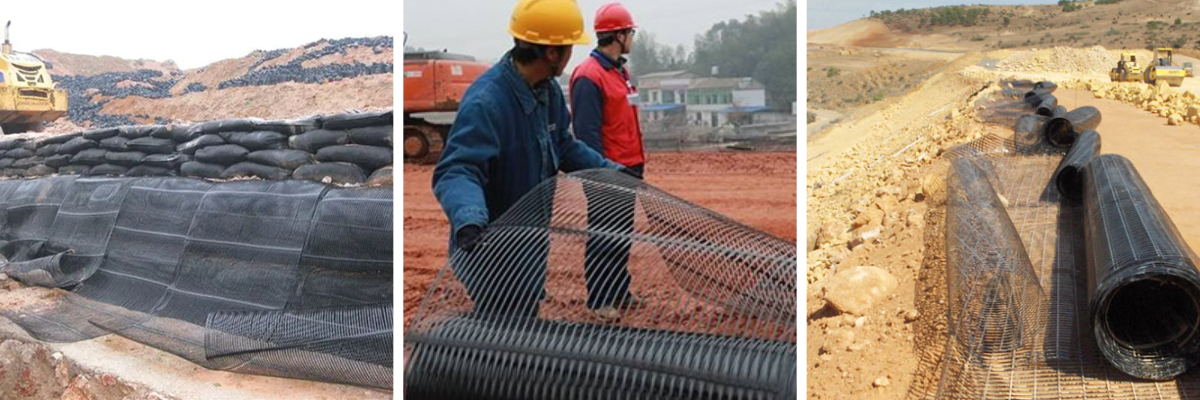
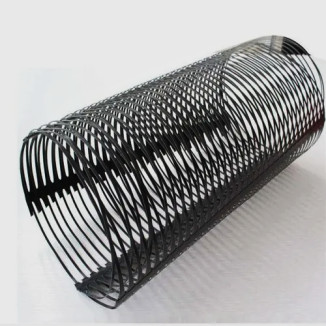
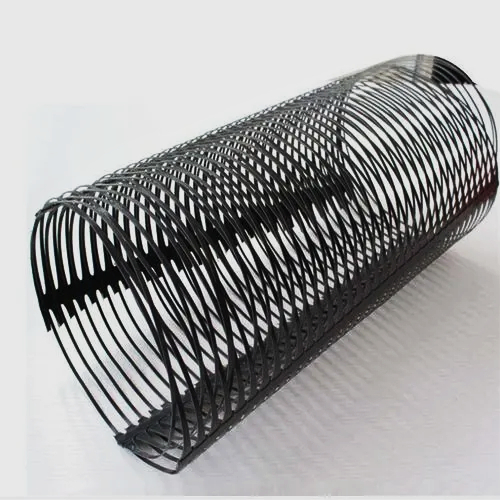
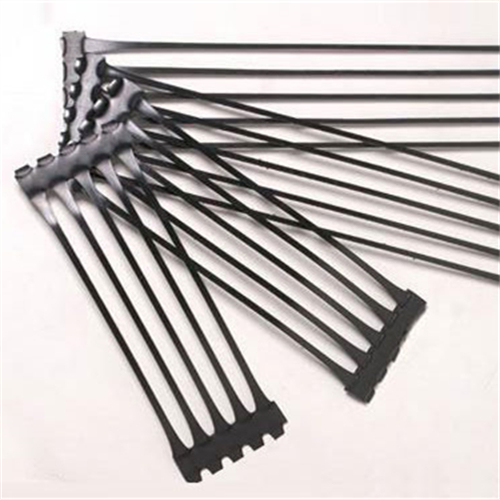
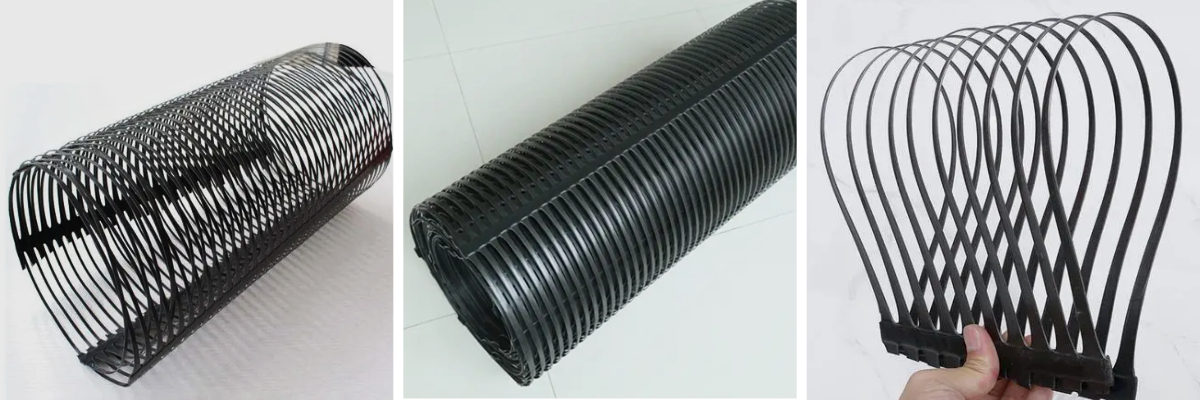
Uni-directional geogrid for slope protection is a high-strength geosynthetic material specifically designed for slope stabilization. Made from high-density polyethylene (HDPE) or polypropylene (PP) as raw materials, it is manufactured through extrusion, punching, and uniaxial stretching processes. It possesses extremely high longitudinal tensile strength (up to 100–200 MPa), effectively preventing soil sliding and collapse on slopes, thereby enhancing overall stability.
Ⅰ. Core Functionality and Engineering Advantages:
1. Enhanced Slope Anti-Sliding Stability
Uniaxial geogrids are longitudinally installed along the slope surface, utilizing their high tensile strength (>150 MPa) to resist soil sliding forces. Through interlock and frictional interaction with the fill material, a stable reinforced structural layer is formed, significantly improving the shear strength of the slope and preventing both shallow and deep-seated landslides.
2. Erosion Control and Environmental Compatibility
When combined with vegetative slope protection, the geogrid stabilizes the surface soil and provides a reliable growing environment for grass seeds. By layered backfilling with soil and rock aggregate together with vegetation establishment, an eco-friendly reinforced soil slope can be constructed, achieving the dual benefits of engineered protection and natural greening.
3. Suitable for Steep Slope Design, Land-Saving
With reinforcement using uniaxial geogrids, steeper slopes (slope ratio up to 1:0.5 or even steeper) can be constructed. Compared to conventional gentle slope designs, this approach reduces land footprint by up to 50%, making it particularly suitable for urban roadways, railways, and mountainous construction projects where land resources are limited.
4. High Durability and Adaptability to Harsh Environments
The material incorporates carbon black and other anti-aging additives, providing excellent resistance to acids, alkalis, corrosion, UV radiation, and low temperatures. Low-temperature resistant products can maintain stable performance in environments ranging from -45°C to -50°C and have been successfully applied in the permafrost sections of the Qinghai–Tibet Railway slope projects.
5. Simple and Efficient Construction
The material is lightweight, flexible, and easy to cut and overlap. Construction only requires leveling the slope surface, laying the grid in the direction of the applied load (longitudinal), securing it with U-nails or pins, followed by layered backfilling and compaction. No heavy machinery or specialized technicians are required, resulting in significantly improved construction efficiency.
Ⅱ. Typical Slope Protection Application Scenarios
·Highway and railway subgrade slopes (cut slopes / fill slopes)
·River dykes and reservoir banks (wave resistance, seepage prevention, sliding resistance)
·Mine slopes and spoil yards (slope stabilization, dust suppression, vegetation greening)
·Bridge abutments, foundation pits and steep slopes (temporary / permanent support)
·Ecological slope protection (geogrid + ecological bags / grass planting / 3D geonet)
·Landslide remediation and aging slope reinforcement