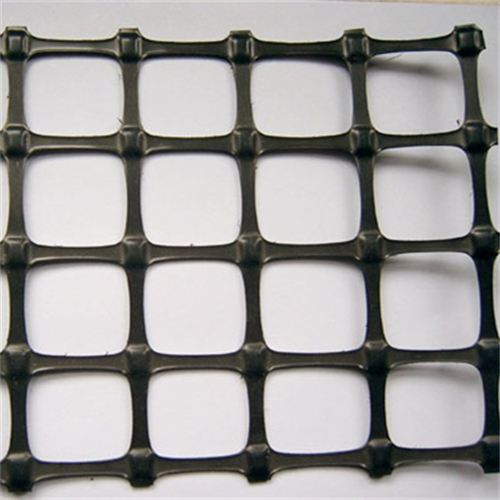
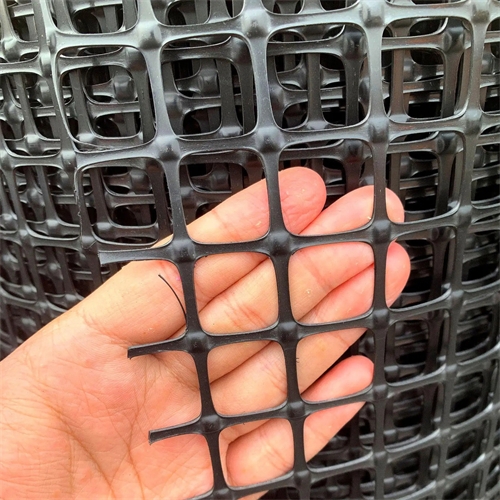
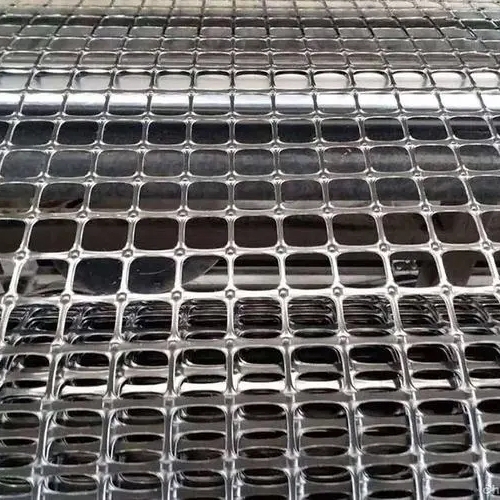
Bidirectional geogrid for foundation reinforcement
Key Features and Engineering Advantages
1. Enhanced Foundation Bearing Capacity: Through the interlocking effect between soil and geogrid, significantly improves the load-bearing capacity of soft soil foundations and extends service life.
2. Control of Differential Settlement: Reduces foundation settlement by more than 30%, particularly suitable for soft ground treatment, embankment widening, and similar applications.
3. Engineering Cost Savings: Reduces cushion layer thickness by 10%–50%, decreases aggregate usage, and lowers overall construction costs.
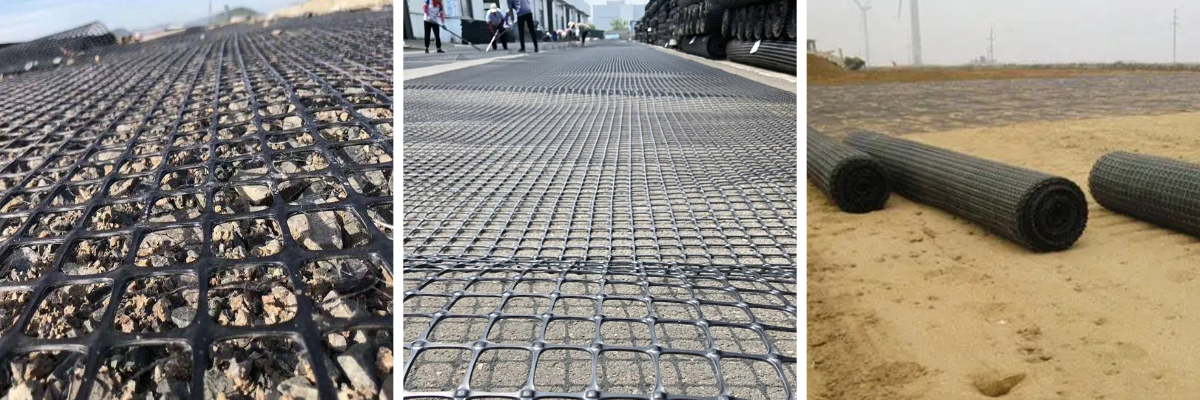
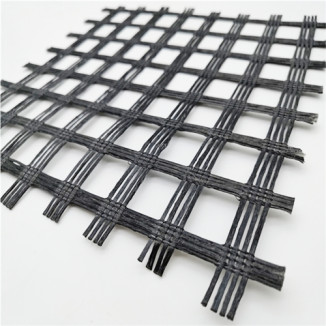
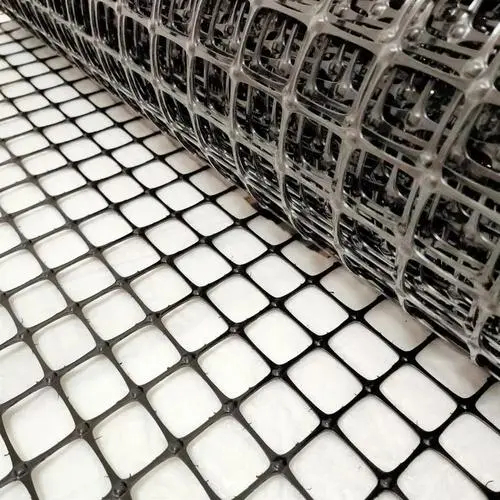
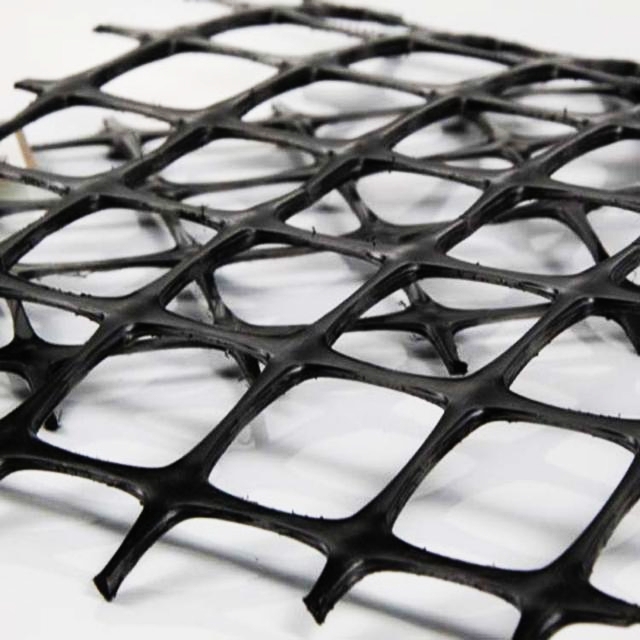
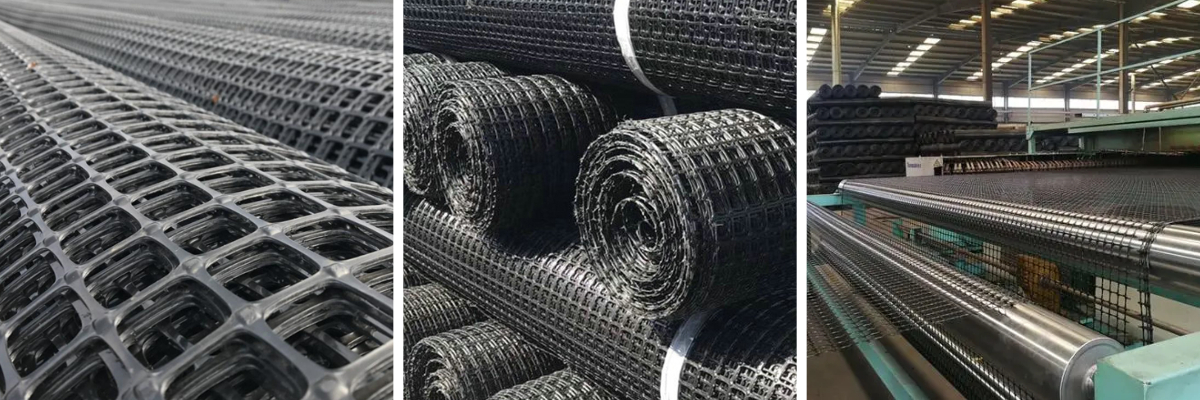
Bidirectional geogrid for foundation reinforcement is a geosynthetic material with high tensile strength in both longitudinal and transverse directions, widely used to enhance foundation bearing capacity, prevent settlement and cracking, and serves as a key reinforcement material in modern infrastructure engineering.
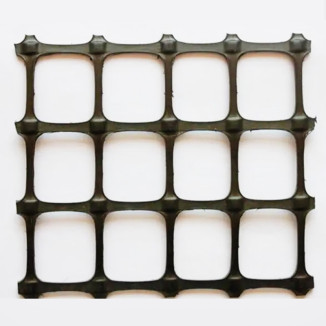
Biaxial Geogrid, full name Biaxially Oriented Plastic Geogrid, is a mesh-like polymeric material made from polypropylene (PP) or high-density polyethylene (HDPE) through extrusion, punching, and biaxial stretching processes. Its structure is uniformly stretched in both longitudinal and transverse directions, forming a regular grid system that effectively distributes subgrade stress and enhances the overall stability of soil mass.
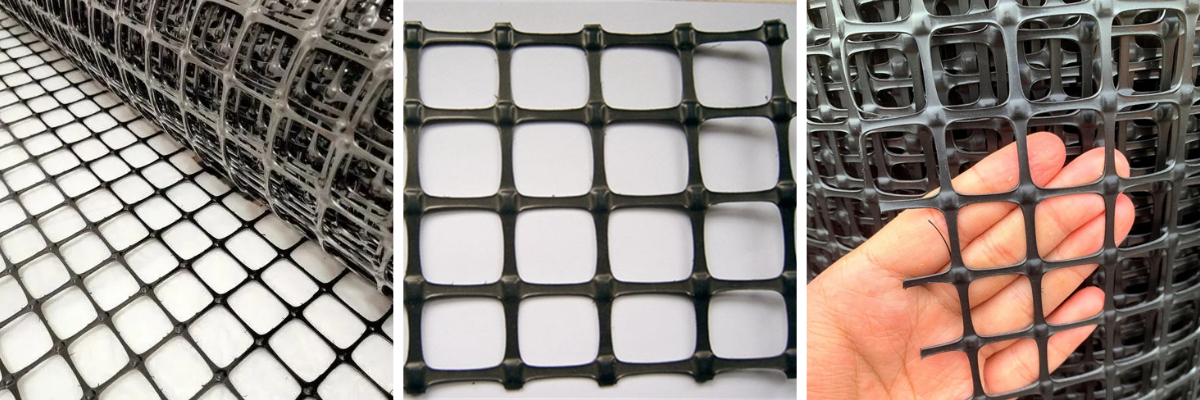
Ⅰ. Key Features and Engineering Advantages
1. Enhanced Foundation Bearing Capacity: Through the interlocking effect between soil and geogrid, significantly improves the load-bearing capacity of soft soil foundations and extends service life.
2. Control of Differential Settlement: Reduces foundation settlement by more than 30%, particularly suitable for soft ground treatment, embankment widening, and similar applications.
3. Engineering Cost Savings: Reduces cushion layer thickness by 10%–50%, decreases aggregate usage, and lowers overall construction costs.
4. Prevention of Structural Damage: Effectively prevents issues such as pavement collapse, bridge approach settlement ("jumping vehicles"), and culvert cracking.
5. Eco-Friendly Applications: Can support vegetated slope erosion control mats to promote greening and environmental protection; can also replace metal mesh as temporary roof support in underground coal mines.
Ⅱ. Typical Application Scenarios
·Highway and railway subgrades: Distribute wheel loads to prevent base cracking and lateral displacement
·Airports, docks, and freight yards: Enhance the stability of large-area permanent bearing foundations
·Slope protection and ecological restoration: Improve the integrity of soil slopes and prevent soil erosion
·Soft soil foundation treatment: Combined with sand cushion layers to form reinforced composite foundations