
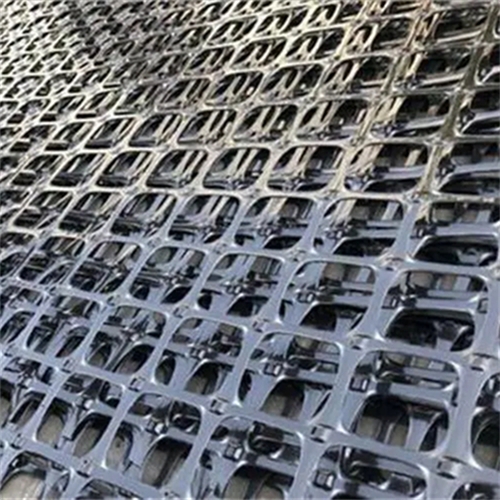
Biaxial Plastic Geogrid Special for Subgrade
Core Functions in Subgrade Engineering
1. Uniform Distribution of Wheel Load Stress
Diffuses vehicle concentrated loads over a larger area, reducing the pressure per unit area on the underlying layers and preventing localized crushing.
2. Suppression of Lateral Displacement and Shear Failure
Effectively restrains lateral extrusion of subgrade soil under heavy loads, particularly suitable for soft soil and high embankment sections.
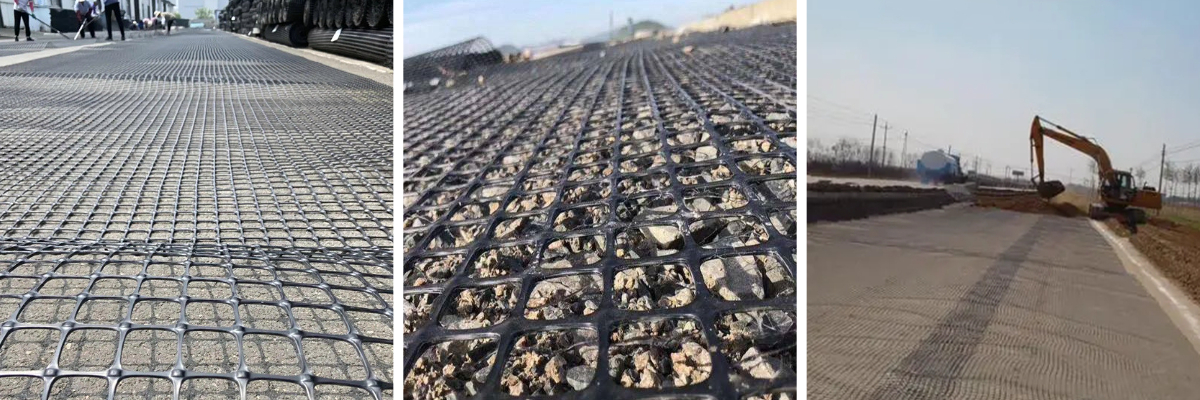
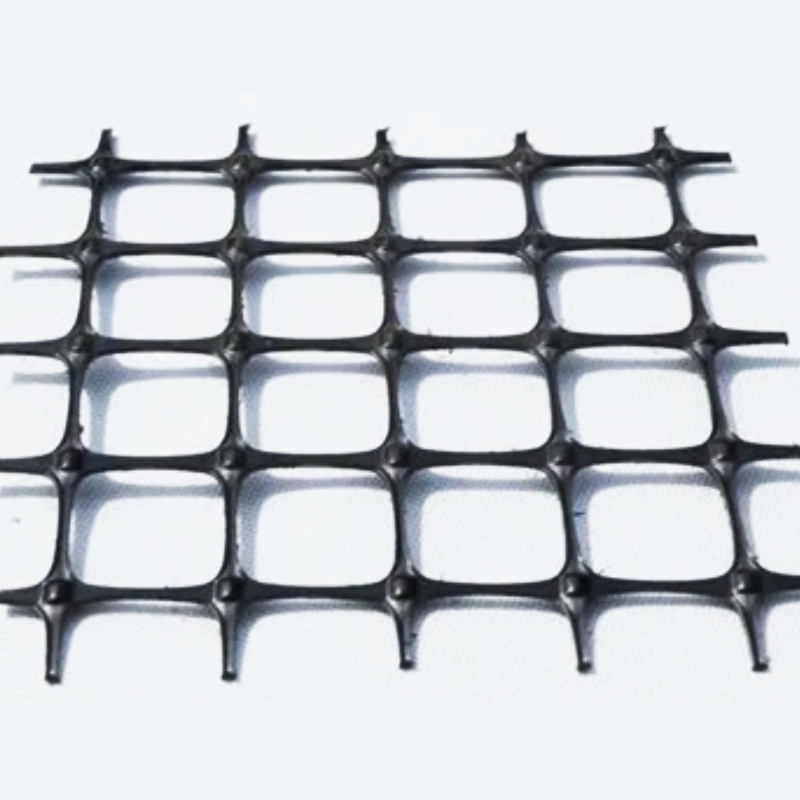
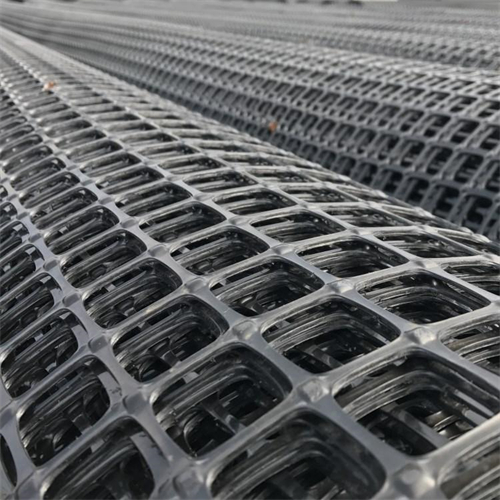
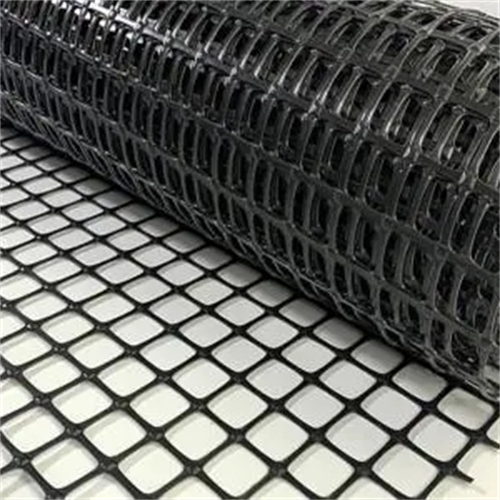
Biaxial plastic geogrid special for subgrade is high-performance geosynthetic materials specifically designed for reinforcing the subgrade of transportation infrastructure such as highways and railways. By providing high tensile strength in both longitudinal and transverse directions, they significantly enhance the overall stability and load-bearing capacity of the subgrade.
Biaxial Plastic Geogrid is made from polypropylene (PP) or high-density polyethylene (HDPE). It is produced by extruding the material into sheets, punching holes, and then stretching the sheets biaxially under heated conditions. This process aligns the polymer chains in the direction of applied stress, significantly enhancing the material's strength. The grid features a uniform aperture structure, either rectangular or square, which facilitates soil interlock and forms a "soil-grid" composite system.
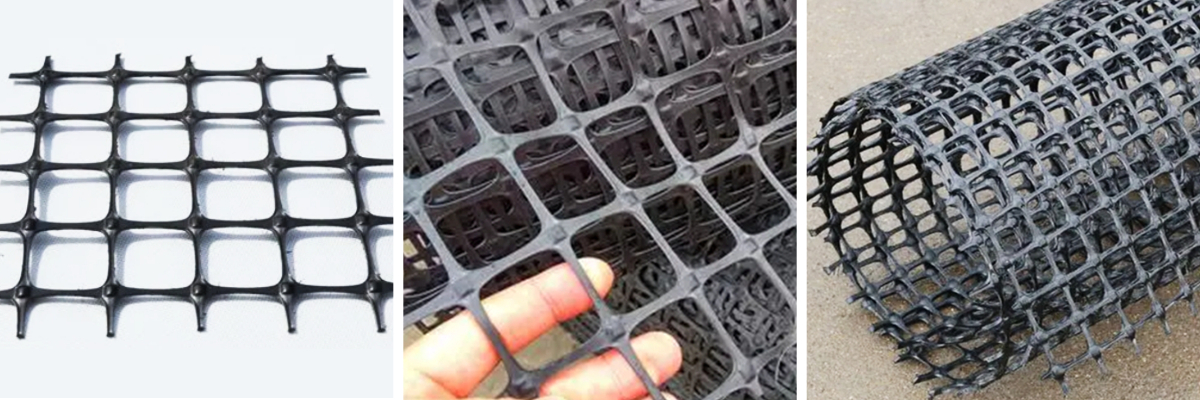
Ⅰ. Core Functions in Subgrade Engineering
1. Uniform Distribution of Wheel Load Stress
Diffuses vehicle concentrated loads over a larger area, reducing the pressure per unit area on the underlying layers and preventing localized crushing.
2. Suppression of Lateral Displacement and Shear Failure
Effectively restrains lateral extrusion of subgrade soil under heavy loads, particularly suitable for soft soil and high embankment sections.
3. Reduction of Differential Settlement
Coordinates ground deformation through reinforcement, reducing settlement by more than 30% and significantly mitigating the "bridge bump" phenomenon.
4. Savings in Base Layer Thickness and Cost
Reduces the required thickness of gravel base layers by 10%–50%, saving on materials and construction costs.
5. Extension of Road Service Life
Enhances the subgrade's fatigue resistance, reducing distresses such as cracking and rutting, making it ideal for heavy traffic conditions.
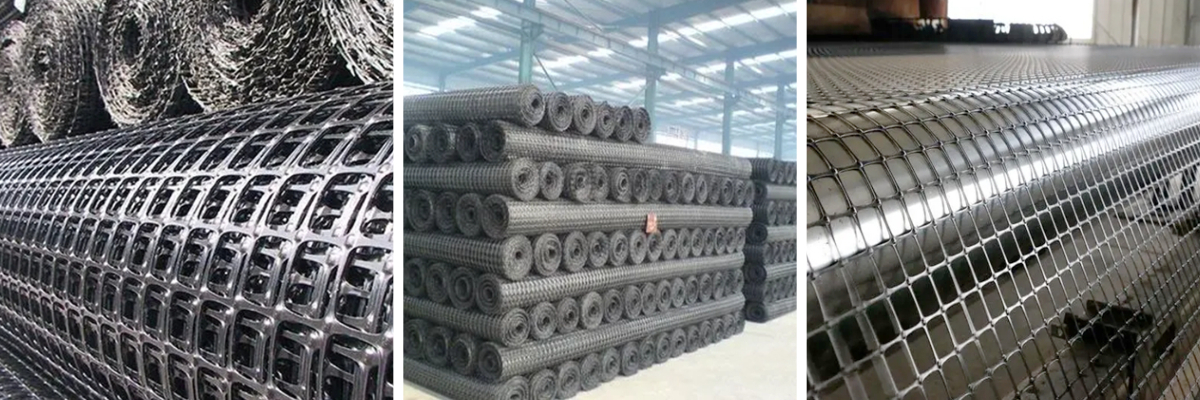
Ⅱ. Typical Construction Points
·Laying Direction: The geogrid's longitudinal direction (primary load-bearing direction) should be perpendicular to the road centerline to ensure it withstands the main traffic loads.
·Lap Requirements: Longitudinal lap of 15–20 cm and transverse lap of ≥10 cm; joints shall be secured with plastic straps or U-shaped nails.
·Anchoring Method: Anchor every 1.5–2 m using U-shaped nails to prevent displacement or uplift during construction.
·Backfill Requirements: Promptly backfill with gravel or sand-fill material after laying, with particle size ≤15 cm, and avoid sharp objects that may damage the grid.
·Compaction Sequence: Compact statically first, then vibratory; use a 6–10 ton roller, avoiding direct rolling on the geogrid before it is covered with soil.