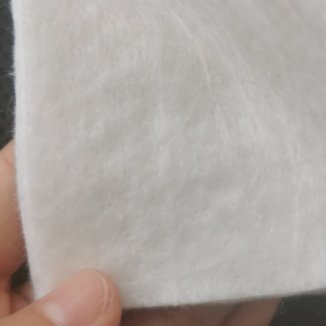
Artificial lake waterproofing membrane
Core Performance Advantages
• Extremely Low Permeability: Water vapor permeability coefficient can be as low as K ≤ 1.0×10⁻¹³ g·cm/cm²·s·Pa, making it virtually impermeable to water.
• Exceptional Durability: Resistant to ultraviolet radiation and extreme temperatures (-70°C to +100°C); service life of up to 50 years or more when exposed.
• High Mechanical Strength: Elongation at break exceeds 700%, capable of accommodating differential foundation settlement, with excellent tensile and tear resistance.
Artificial lake waterproofing membrane, also known as anti-seepage geomembrane or HDPE/EVA waterproofing membrane, is a flexible impermeable material made primarily from high-density polyethylene (HDPE), ethylene-vinyl acetate copolymer (EVA), and other polymer resins, compounded with additives such as antioxidants, UV absorbers, and anti-aging agents, and formed through a hot-melt extrusion process.

Artificial lake waterproofing membranes are core impermeable materials that ensure the stability of artificial lake water bodies and prevent leakage. With excellent properties such as high impermeability, aging resistance, chemical corrosion resistance, and a long service life, they effectively address water resource waste and foundation safety hazards caused by water seepage.
It is laid on the lake bottom and slopes, forming a continuous, sealed physical barrier that effectively blocks the seepage pathway between lake water and the underlying soil layer, serving as an essential key material in modern artificial lakes and landscape waterbody engineering.

I. Core Performance Advantages
• Extremely Low Permeability: Water vapor permeability coefficient can be as low as K ≤ 1.0×10⁻¹³ g·cm/cm²·s·Pa, making it virtually impermeable to water.
• Exceptional Durability: Resistant to ultraviolet radiation and extreme temperatures (-70°C to +100°C); service life of up to 50 years or more when exposed.
• High Mechanical Strength: Elongation at break exceeds 700%, capable of accommodating differential foundation settlement, with excellent tensile and tear resistance.
• Chemical Resistance: Resistant to corrosion from over 80 chemical media, including acids, alkalis, and salts, suitable for complex geological environments.
• Environmentally Safe and Non-toxic: Non-volatile and odorless, suitable for ecologically sensitive applications such as landscape lakes and aquaculture ponds.

II. Key Construction Points
1. Subgrade Preparation: Compact the native soil and remove sharp objects such as stones and tree roots to prevent puncturing the waterproofing layer.
2. Cushion Layer Installation: Lay a geotextile or sand layer (80–100 mm) on the lake bottom first to provide protective function.
3. Waterproofing Membrane Installation: Unroll the membrane from lower to higher elevations, allowing sufficient expansion allowance to avoid wrinkles.
4. Hot-Melt Welding: Employ double seam welding with an overlap width ≥80 mm, followed by air tightness testing after welding.
5. Anchoring Treatment: Install an anchoring trench (40×40 cm) along the lake edge, embed the waterproofing membrane into the trench and compact it to prevent slippage.
6. Protection of Finished Work: Promptly cover the welded membrane with a protective layer (e.g., concrete or topsoil) to prevent damage during subsequent construction activities.