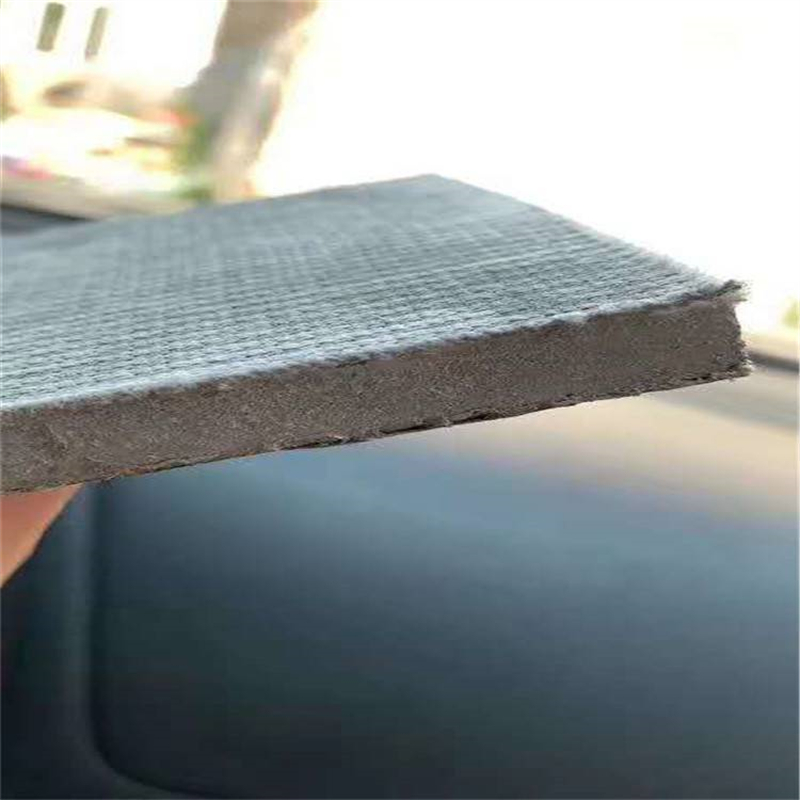
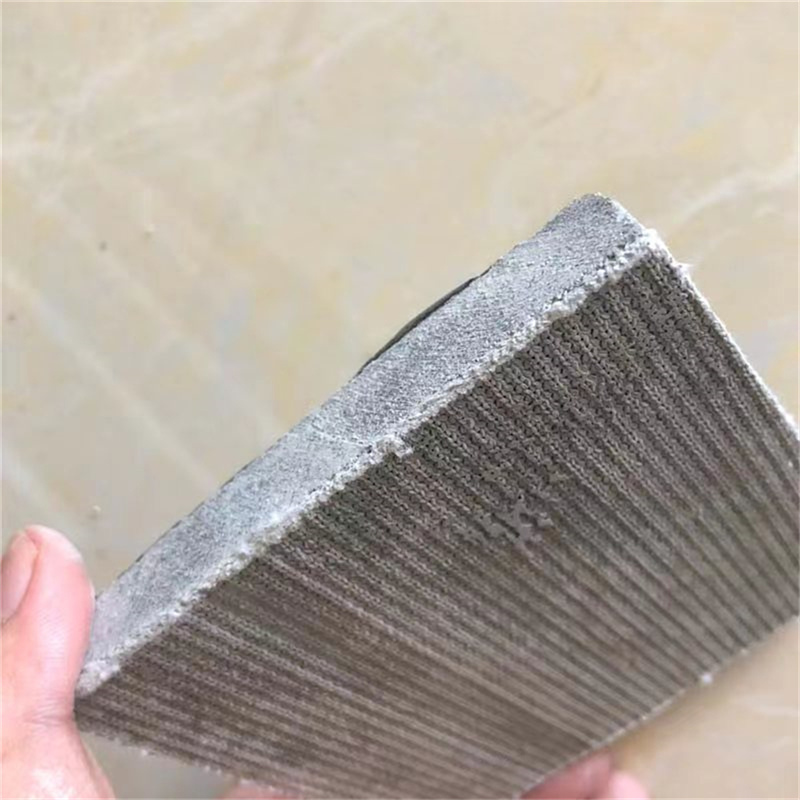
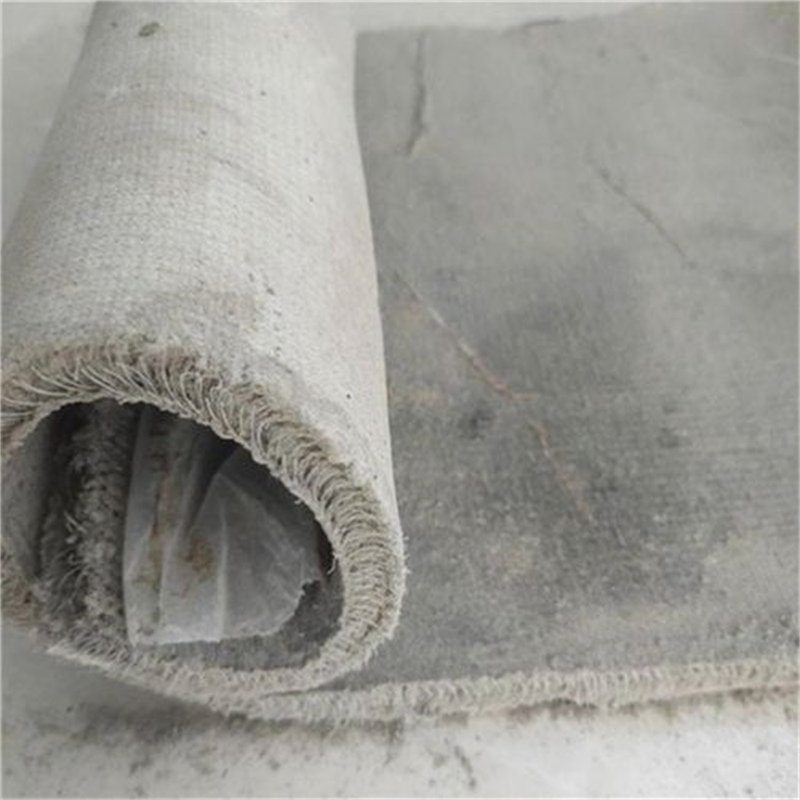
Landscape lake cementitious blanket
Superior Waterproofing and Durability (Critical for Landscape Lakes)
· Fully waterproof construction with a waterproof membrane on the underside; resistant to root penetration, wave erosion, and freeze-thaw cycles.
· Weather-resistant and anti-aging, with a service life of 15–30 years — significantly outperforming conventional geomembranes.
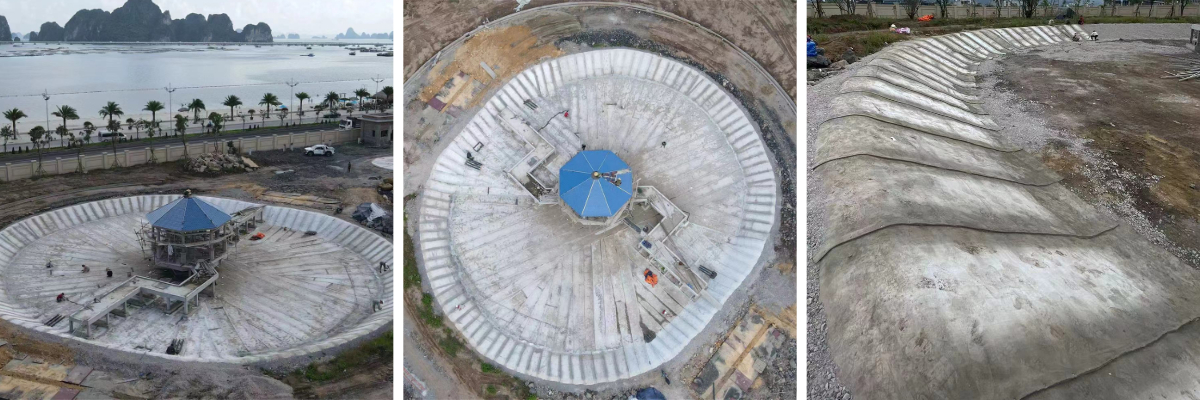
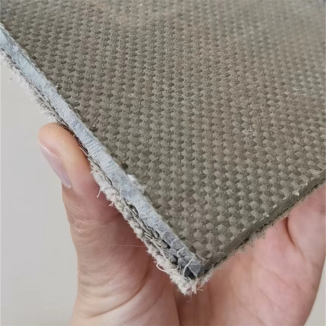
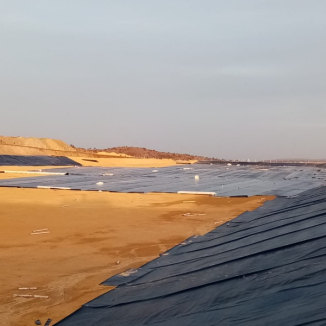
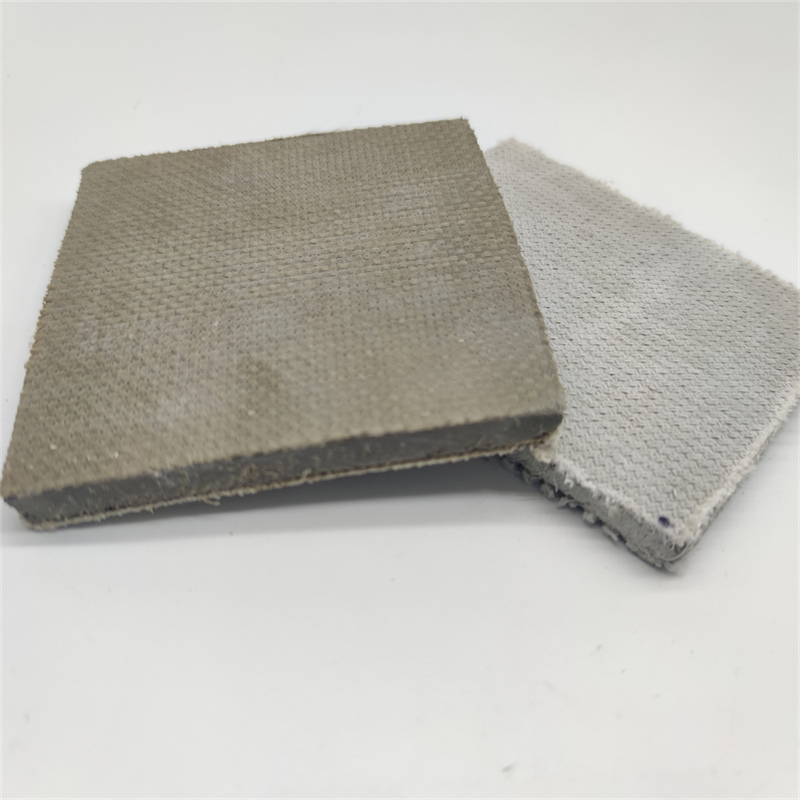
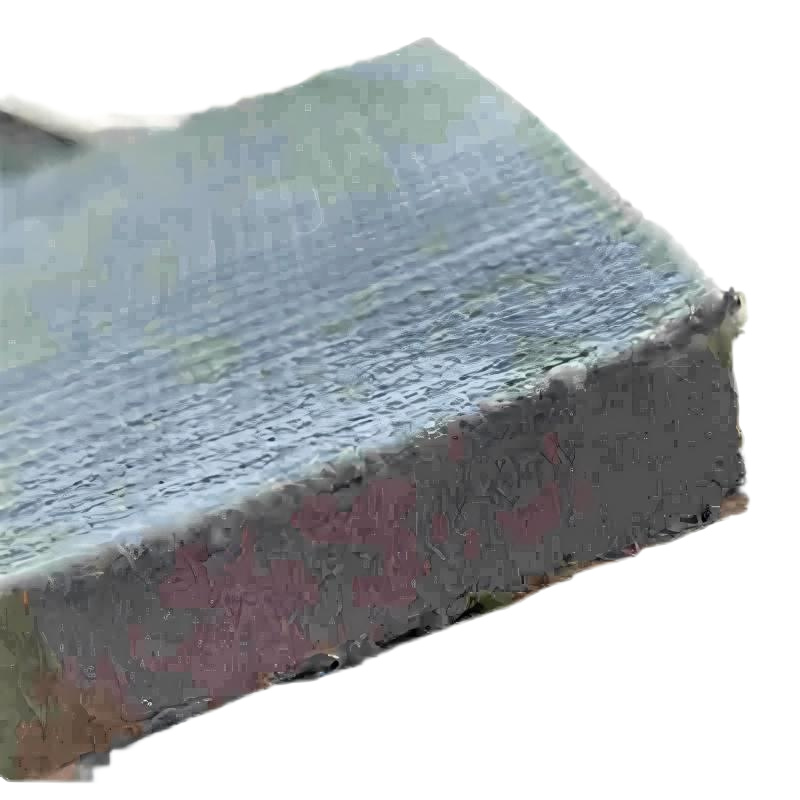
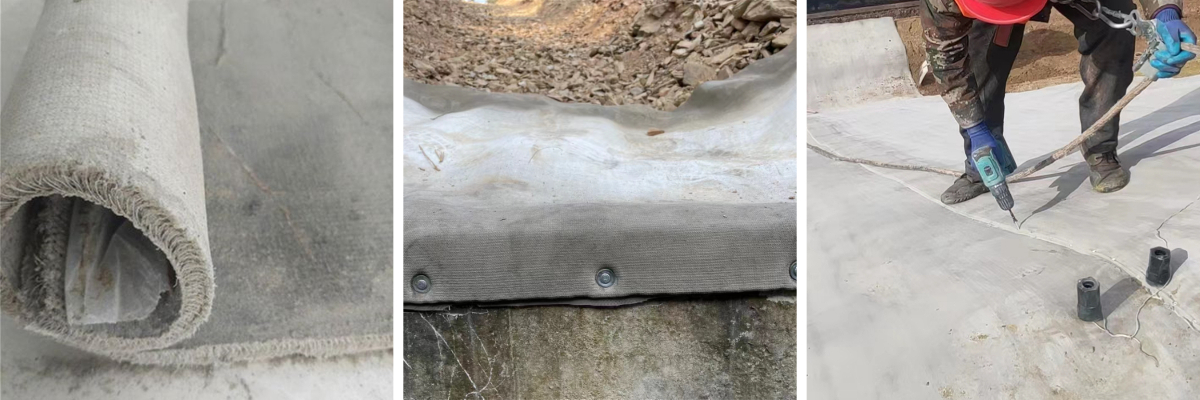
Landscape lake cementitious blanket (also known as concrete fabric or flexible cement blanket) is a new type of flexible, impermeable slope protection material specifically designed for artificial lakes and ornamental water bodies, effectively solving the drawbacks of traditional concrete and geomembranes in landscape engineering.
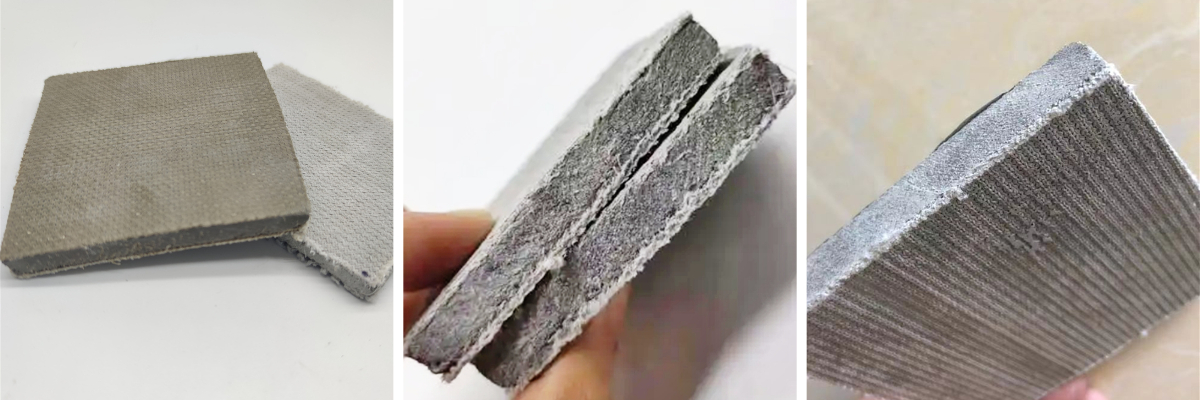
I. Landscape Lake Cementitious Blanket – Core Advantages
1. Perfect Adaptation to Complex Terrain
· Flexible and conformable to curved shorelines, uneven lake beds, steep slopes, and irregular landscape features — no formwork required.
· Solves the long-standing problem of traditional concrete: poor adhesion to curved surfaces, cracking, and water leakage.
2. Ultra-Fast Installation Without Damaging the Landscape
· No need for mixing, vibration, or curing. Can be installed by a single worker — construction time reduced by over 70% compared to traditional concrete.
· Adjustable within 2 hours, achieves initial set in 24 hours — enables rapid water filling and ensures uninterrupted landscape accessibility.
3. Superior Waterproofing and Durability (Critical for Landscape Lakes)
· Fully waterproof construction with a waterproof membrane on the underside; resistant to root penetration, wave erosion, and freeze-thaw cycles.
· Weather-resistant and anti-aging, with a service life of 15–30 years — significantly outperforming conventional geomembranes.
4. Aesthetic and ecological, with minimal maintenance required.
· Surface in natural cement gray, uniform in texture; can be covered with soil for vegetation, or overlaid with decorative stones to blend seamlessly into the environment.
· Prevents leakage, algae growth, and water pollution; safe and suitable for fish and aquatic plants.
5. Economical and highly efficient.
· Lightweight (only 1/10 the weight of traditional concrete), reducing transportation, labor, and machinery costs.
· Overall construction cost is 20–30% lower than traditional concrete, with virtually zero maintenance required over time.
II. Applicable Scenarios
· Landscape lakes / Artificial lakes: lake bottom waterproofing, slope protection, lakeside walkways
· Ornamental ponds, fountain pools, streams, wetland parks
· Villa courtyard water features, fish ponds, ecological gardens