Glass Fiber Geogrid
Core Features and Advantages
1. High Strength and Low Elongation
Tensile strength in both the warp and weft directions can exceed 25–200 kN/m, with a fracture elongation of ≤3%, effectively resisting deformation under long-term loading.
2. Excellent Resistance to High and Low Temperatures
Stable performance in environments ranging from -100°C to 280°C, making it suitable for construction in extremely cold or high-temperature regions.
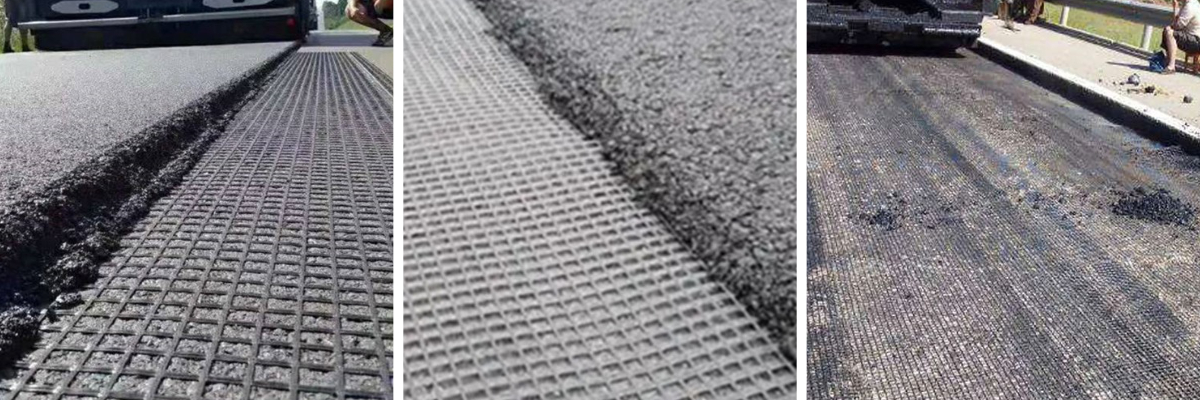
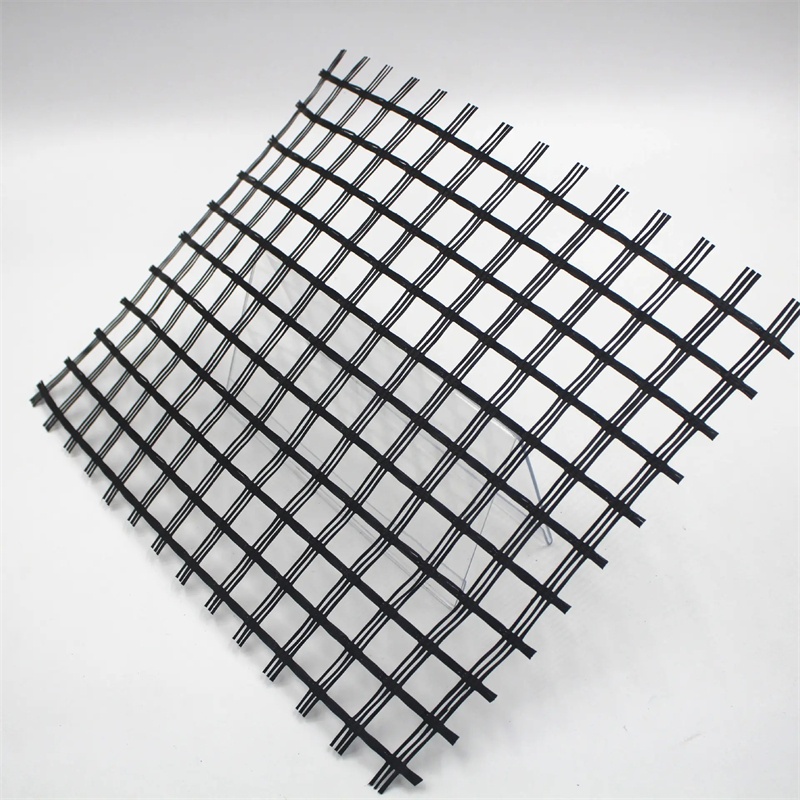
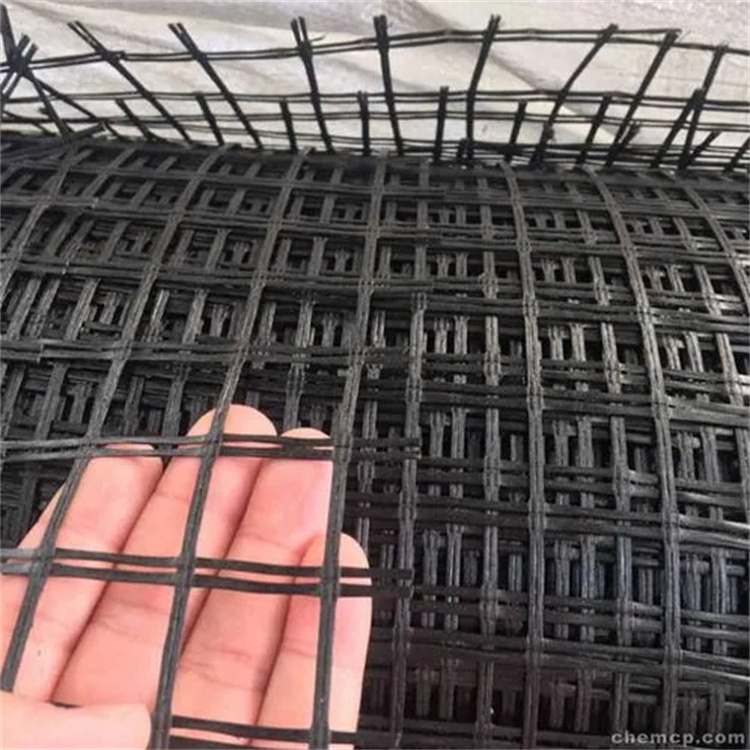
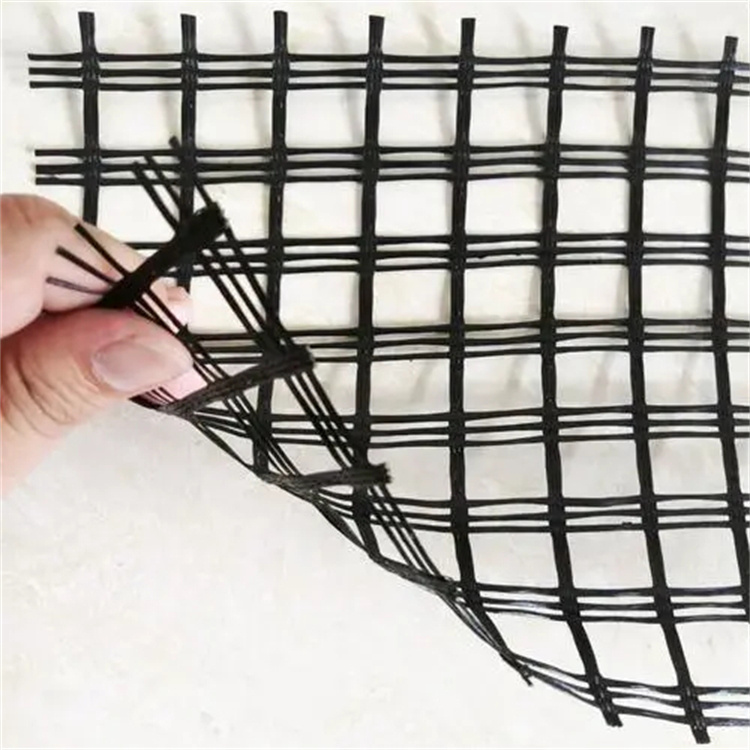
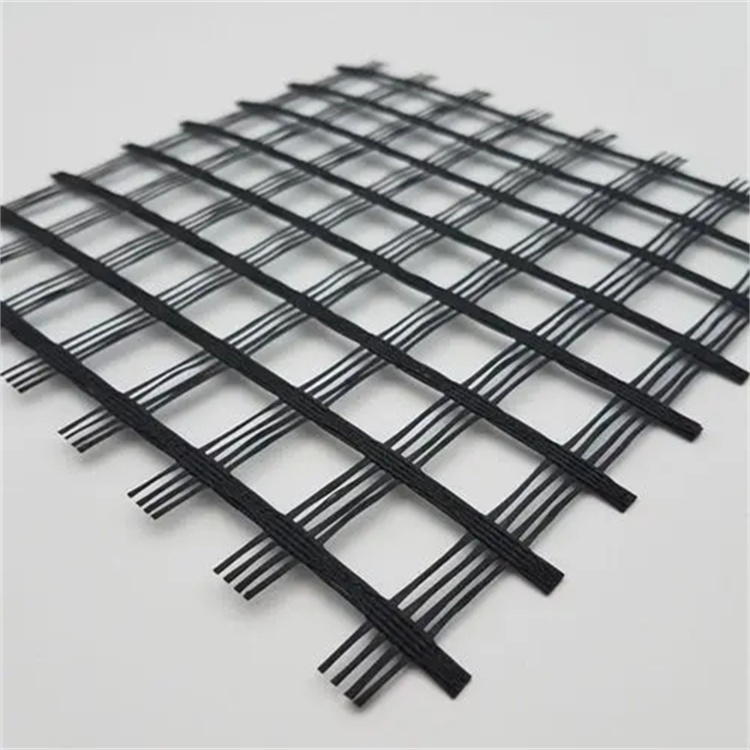
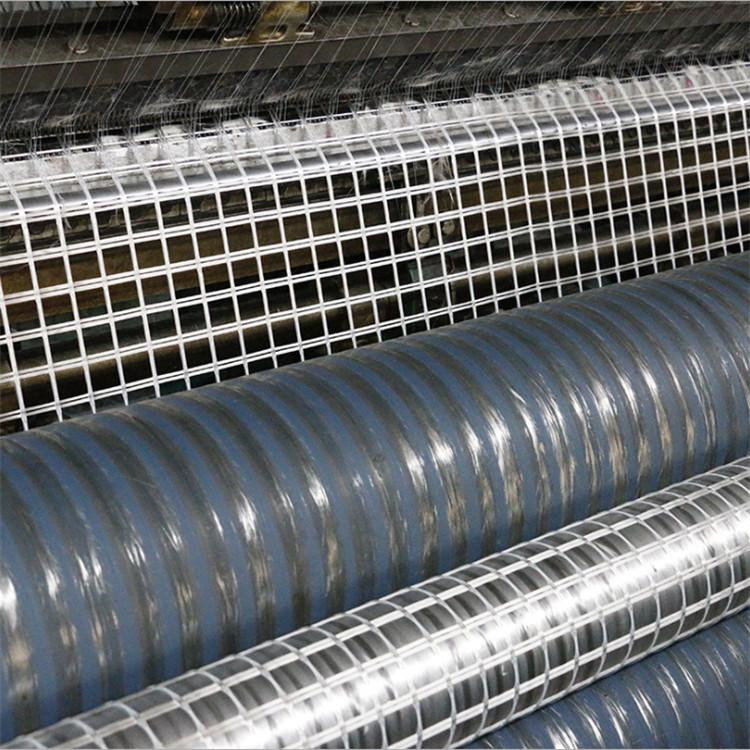
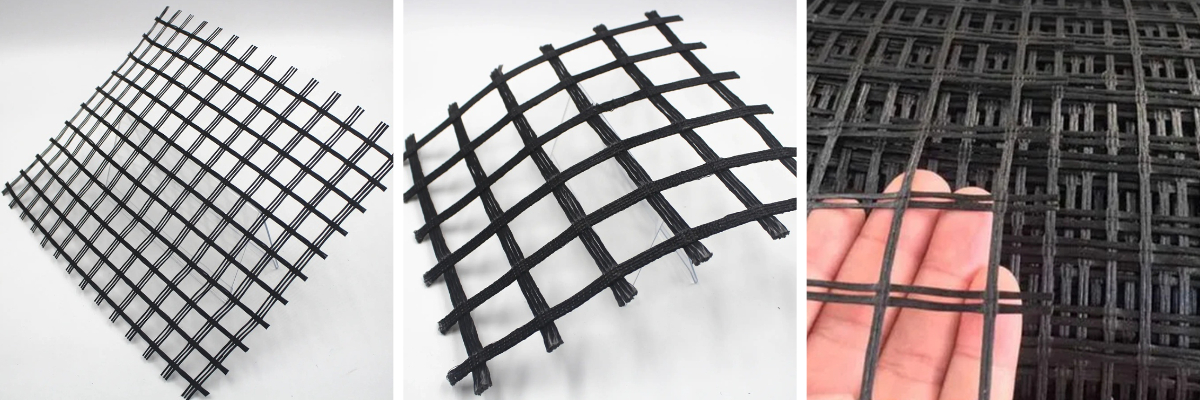
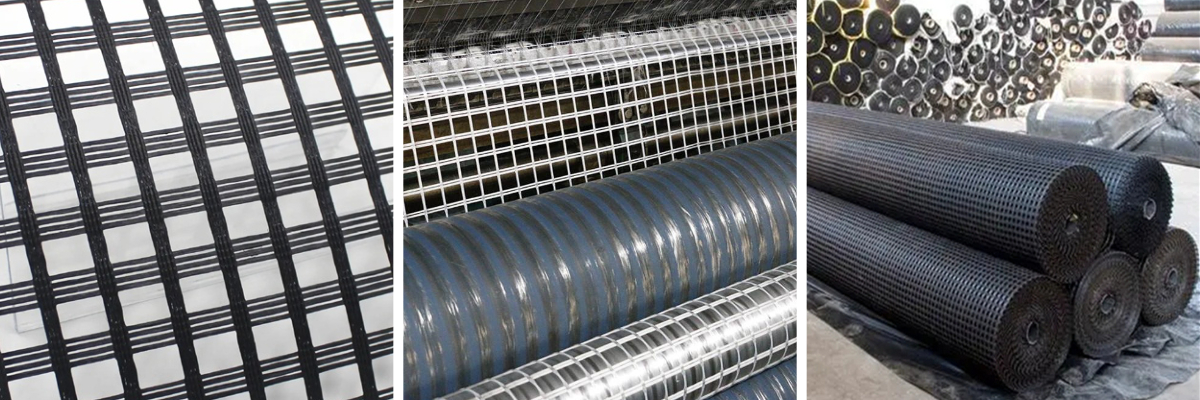
Glass fiber geogrid is a high-performance geosynthetic material made from high-strength, alkali-free glass fiber as raw material, woven into a mesh structure, and then treated with surface coating of modified asphalt or self-adhesive adhesive. It is widely used for reinforcement and strengthening in road, railway, airport, and other engineering applications.
Ⅰ. Core Features and Advantages
1. High Strength and Low Elongation
Tensile strength in both the warp and weft directions can exceed 25–200 kN/m, with a fracture elongation of ≤3%, effectively resisting deformation under long-term loading.
2. Excellent Resistance to High and Low Temperatures
Stable performance in environments ranging from -100°C to 280°C, making it suitable for construction in extremely cold or high-temperature regions.
3. Resistance to Aging and Corrosion
The primary component of glass fiber is silicon dioxide (SiO₂), an inorganic material with stable physical and chemical properties, which is not easily degraded by chemical substances or microorganisms.
4. No Long-Term Creep
No plastic deformation occurs under continuous stress, ensuring long-term structural stability in engineering applications.
5. Excellent Compatibility with Asphalt
The surface-coated modified asphalt enables strong bonding with asphalt mixtures, forming a "composite interlocking system" that enhances the overall load-bearing capacity.
Ⅱ. Typical Application Scenarios
1. Crack-resistant treatment for asphalt pavement overlay (e.g., old road rehabilitation)
2. Reconstruction of cement concrete pavements into composite pavements
3. Soft soil foundation reinforcement and mitigation of differential settlement
4. Heavy-duty engineering applications such as railways, airport runways, and dam slope protection
5. Differential settlement prevention at bridge abutment transition sections