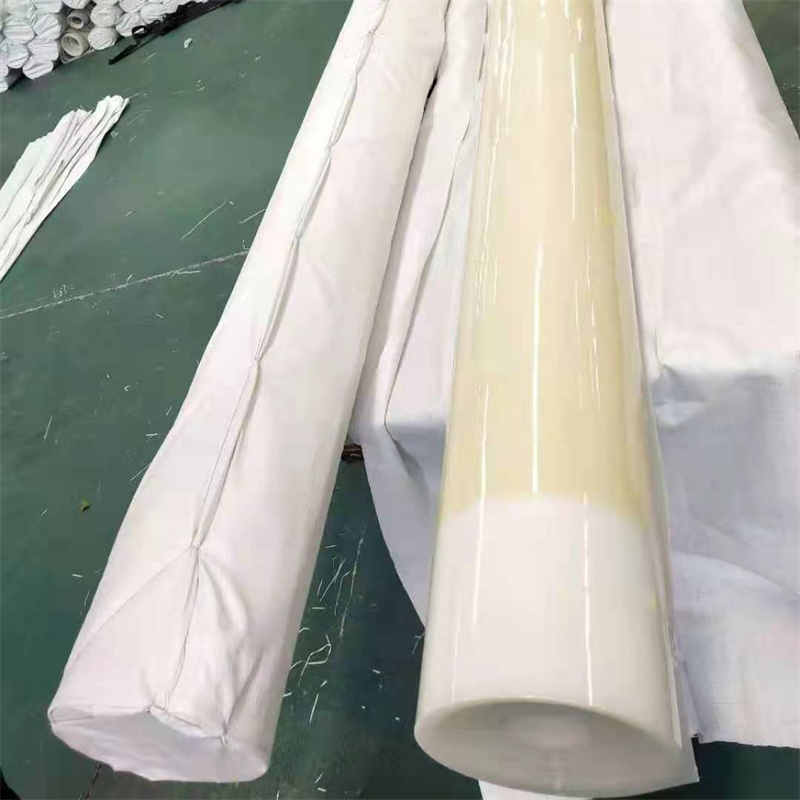

tunnel waterproof membrane
Main Functions
1. Waterproofing and Isolation: Serving as the primary waterproofing layer, it effectively prevents groundwater from entering the tunnel interior.
2. Enhanced Protection: Possesses compressive strength, corrosion resistance, and anti-aging properties, capable of withstanding chemical erosion and the impact of surrounding rock deformation.
3. Extended Service Life: Through a fully enclosed waterproofing design, it significantly reduces water seepage damage to concrete structures, enhancing tunnel safety and durability.
Tunnel waterproofing membrane is a specialized polymer impermeable material used in tunnel engineering, primarily designed to prevent groundwater seepage and gas emission, thereby protecting the tunnel structure from water-induced corrosion and extending its service life. It is widely applied in underground projects such as railways, highways, subways, and underwater tunnels, serving as the core barrier in tunnel waterproofing and drainage systems.

I. Main Functions
1. Waterproofing and Isolation: Serving as the primary waterproofing layer, it effectively prevents groundwater from entering the tunnel interior.
2. Enhanced Protection: Possesses compressive strength, corrosion resistance, and anti-aging properties, capable of withstanding chemical erosion and the impact of surrounding rock deformation.
3. Extended Service Life: Through a fully enclosed waterproofing design, it significantly reduces water seepage damage to concrete structures, enhancing tunnel safety and durability.
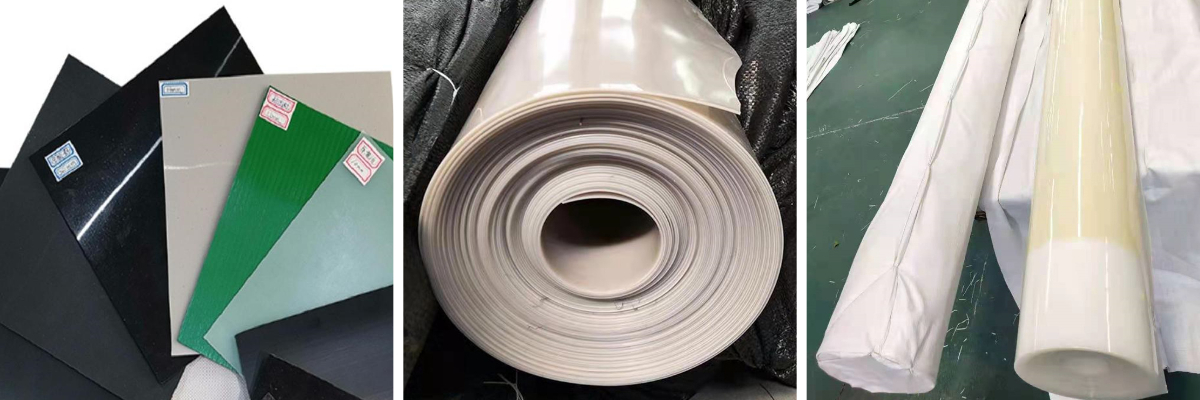
II. Supporting Structure and Construction Process
A complete tunnel waterproofing system typically consists of three layers:
• Buffer Layer (Geotextile): Installed on the surface of the initial support, it serves protective, water-conducting, and stress-buffering functions, reducing the risk of damage to the waterproofing membrane.
• Primary Waterproofing Layer (Waterproofing Membrane): Acts as the core impermeable barrier and is laid directly against the buffer layer.
• Drainage System: Combined with circumferential drainage blind pipes, it forms a "secondary drainage channel" to promptly discharge seepage water.
Prior to construction, the base surface must be prepared to ensure the absence of exposed rebar ends or anchor bolt protrusions. The surface should be smoothed with cement mortar, with surface irregularities not exceeding ±5 cm.