HDPE Membrane Cost
Application Scenarios
• Hydraulic Engineering: Seepage prevention for reservoirs, artificial lakes, canals, and dams
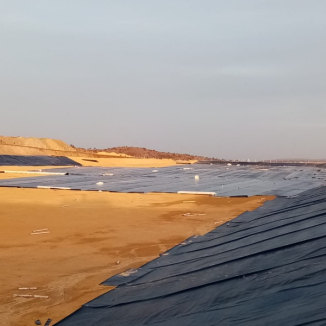
• Environmental Protection Engineering: Pollution control for landfills, tailings ponds, and sewage treatment pools
• Agricultural Facilities: Seepage prevention for water storage tanks, fish ponds, lotus ponds, and aquaculture farms
• Transportation and Construction: Waterproofing for subways, tunnels, basements, and roofing systems
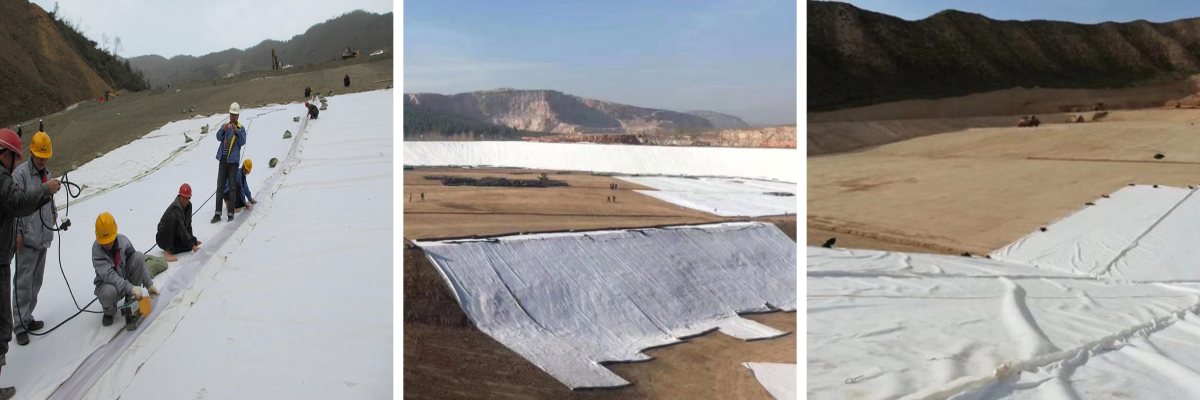
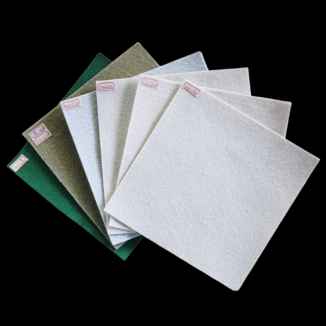
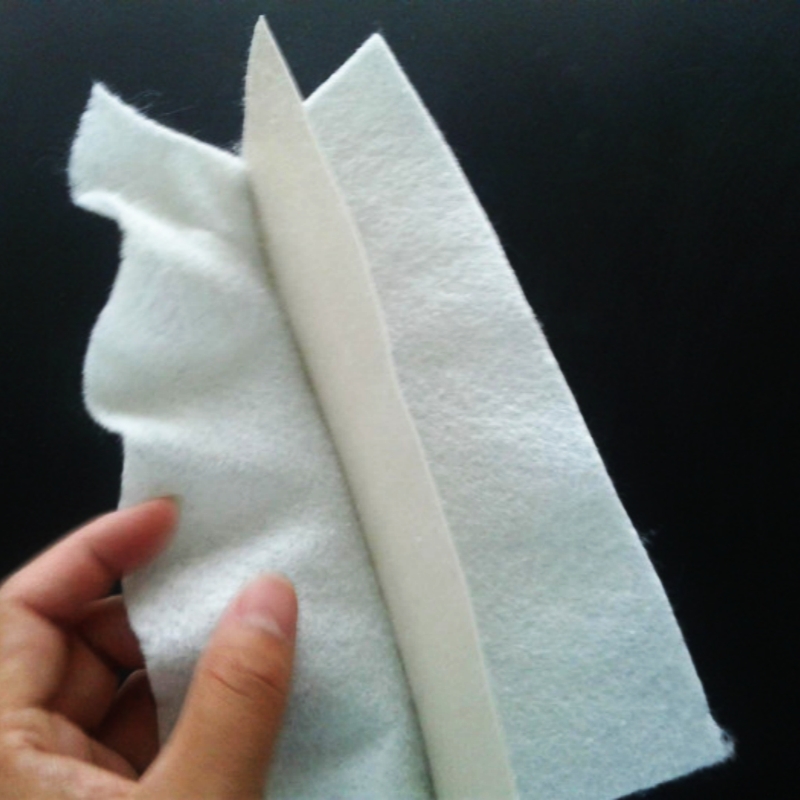
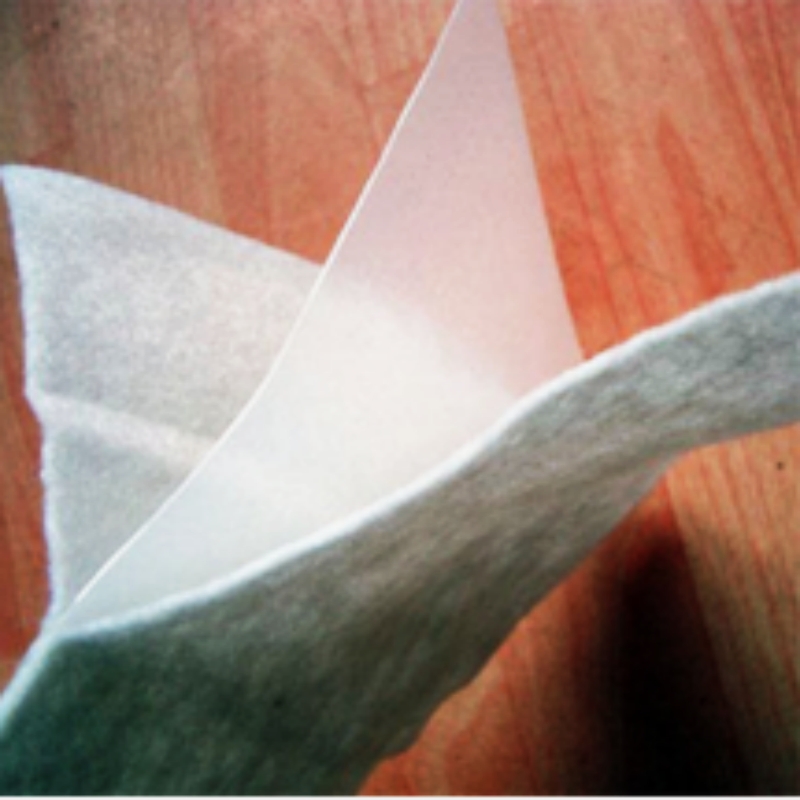
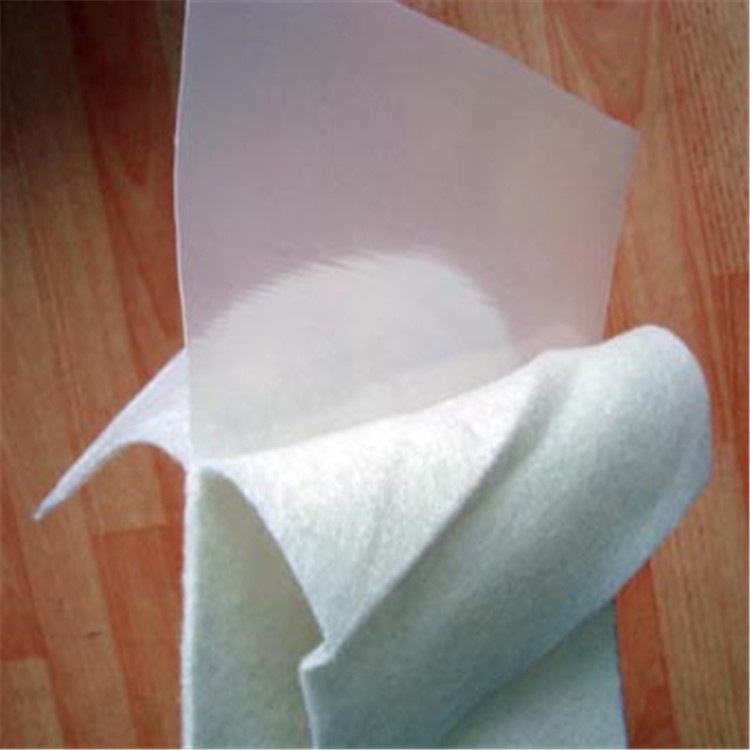
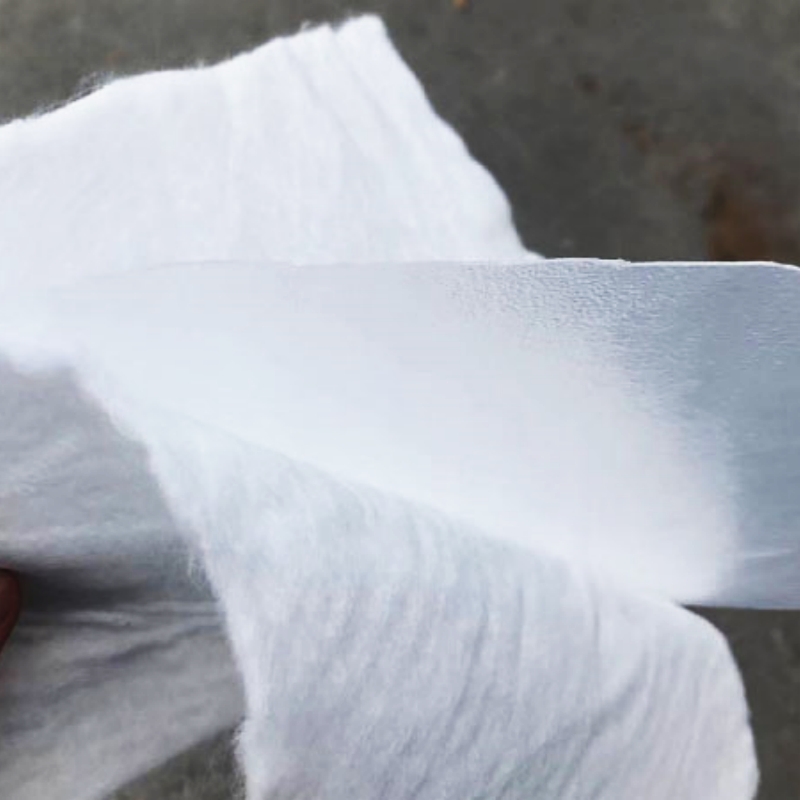
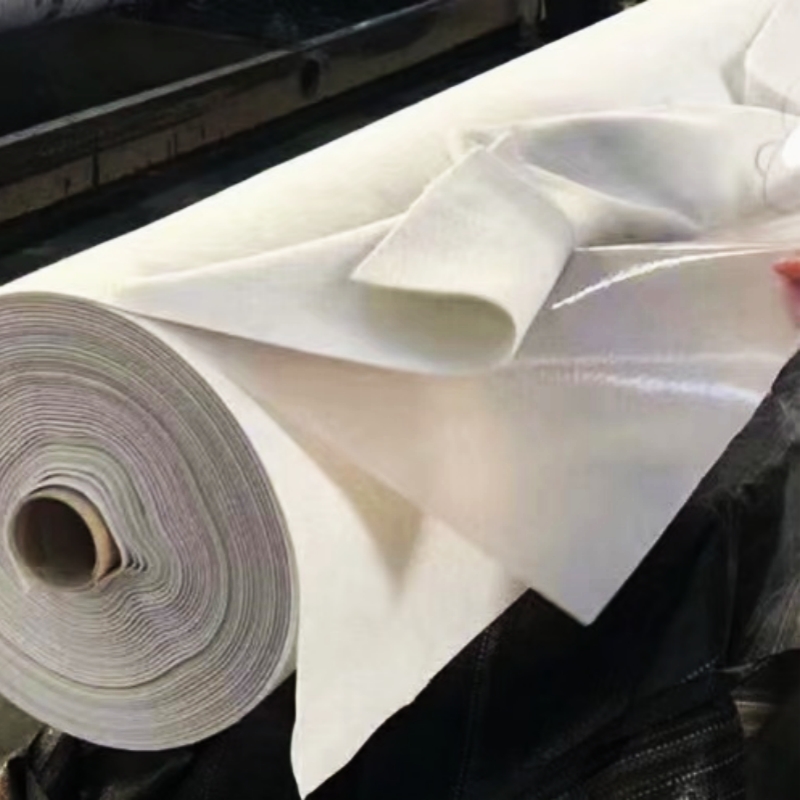
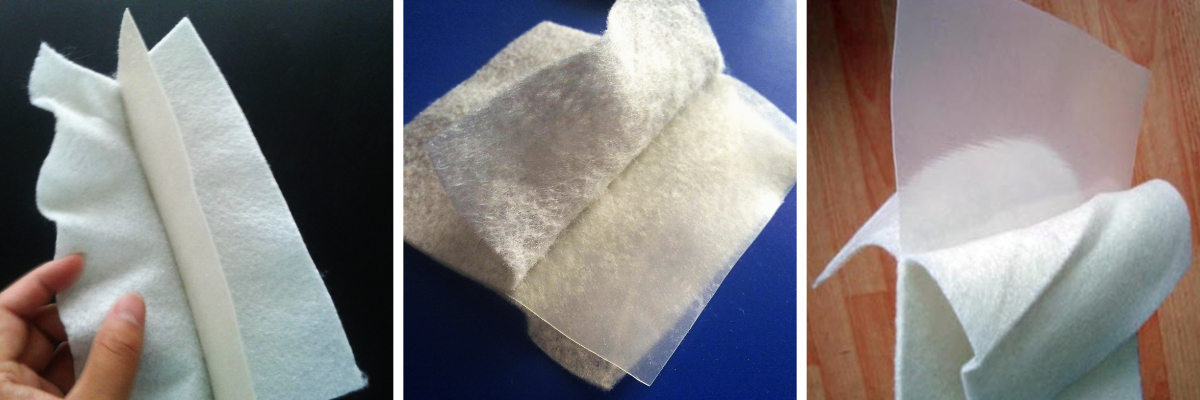
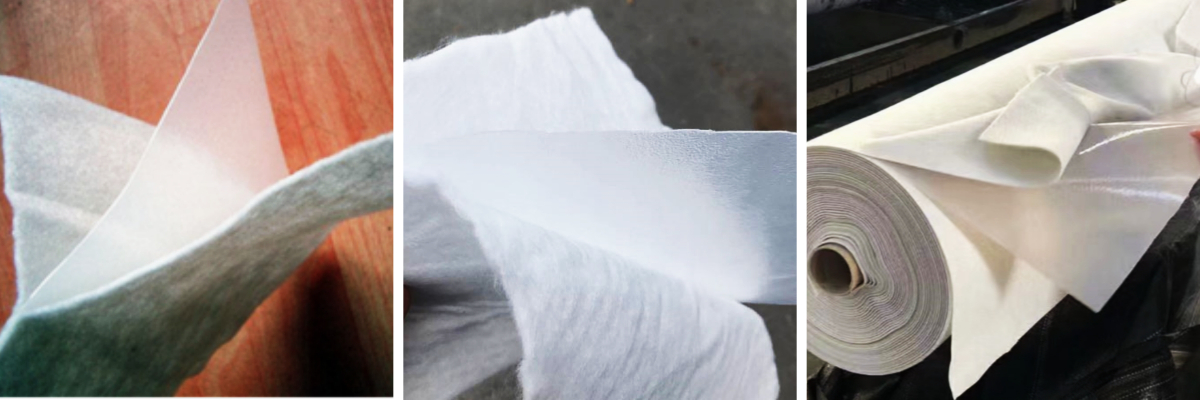
Two-layer geotextile bonded to one layer of geomembrane (2B1M) is a composite waterproofing material consisting of two layers of geotextile and one layer of geomembrane. It is widely used in hydraulic engineering, environmental protection projects, and infrastructure construction, and features high strength, corrosion resistance, and excellent anti-seepage performance.
I. Core Advantages Brought by Structural Design
1. Dual Protection: Enhanced Puncture and Tear Resistance
The two-fabric-one-membrane composite consists of two layers of geotextile bonded to a central high-molecular waterproofing membrane (such as HDPE or LDPE). The outer geotextile layers effectively cushion against punctures and abrasion caused by gravel, plant roots, machinery, and other sources during construction or operation, protecting the central waterproofing membrane from direct damage and significantly reducing the risk of rupture.
2. Enhancing Overall Mechanical Performance and Adapting to Complex Terrains
Geotextiles possess high tensile strength and elongation properties, effectively distributing stresses caused by uneven foundation settlement and preventing the anti-seepage layer from rupturing due to localized stretching. With a CBR puncture strength of up to 2.5 kN or higher, they are suitable for soft soil foundations or environments subject to dynamic loads.
3. Enhancing the coefficient of friction to prevent cover layer slippage
Compared to smooth, single geomembranes, the two-fabric-one-membrane composite has a rougher surface, providing greater frictional resistance with the overlying and underlying soil layers. This effectively prevents the sliding of cover layers during slope construction, enables the design of steeper slopes, and reduces the required footprint.
II. Application Scenarios
• Hydraulic Engineering: Seepage prevention for reservoirs, artificial lakes, canals, and dams
• Environmental Protection Engineering: Pollution control for landfills, tailings ponds, and sewage treatment pools
• Agricultural Facilities: Seepage prevention for water storage tanks, fish ponds, lotus ponds, and aquaculture farms
• Transportation and Construction: Waterproofing for subways, tunnels, basements, and roofing systems