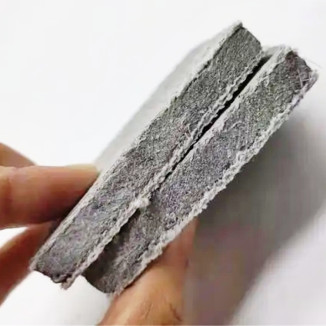
Filter Geotextile
Common Advantages:
1. High Permeability: Vertical permeability coefficient can reach 10⁻²–10⁻³ cm/s;
2. Excellent Durability: Resistant to acids, alkalis, microorganisms, and insect damage, with a service life of over 50 years;
3. Ease of Installation: Lightweight and flexible, adaptable to irregular substrates, enabling high laying efficiency.
Geotextile filter fabric is a permeable geosynthetic material made from synthetic fibers (such as polyester and polypropylene) through needle-punching, spunbond, or weaving processes. Its primary function is filtration and drainage—allowing water to flow through freely while effectively retaining soil particles, thereby preventing piping and soil erosion. It is widely used in engineering fields such as water conservancy, transportation, and environmental protection.

I. Common Advantages:
1. High Permeability: Vertical permeability coefficient can reach 10⁻²–10⁻³ cm/s;
2. Excellent Durability: Resistant to acids, alkalis, microorganisms, and insect damage, with a service life of over 50 years;
3. Ease of Installation: Lightweight and flexible, adaptable to irregular substrates, enabling high laying efficiency.

II. Typical Applications
1. Hydraulic Engineering: anti-filter layers for dams, channel lining protection, filter layers for reservoir relief wells;
2. Roads and Railways: subgrade drainage, pavement and base course separation, slope soil and water conservation;
3. Environmental Engineering: leachate drainage in landfills, filter layers for tailings dams;
4. Municipal Construction: drainage around underground utility tunnels, slope filtration for artificial lakes, drainage for green roofs on garage tops.