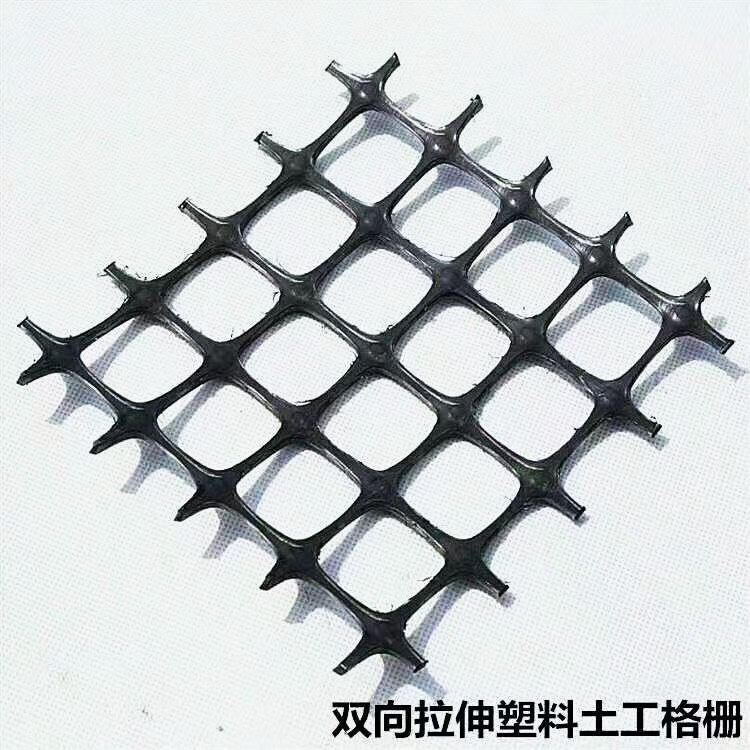
Biaxial Plastic Geogrid
Product Features
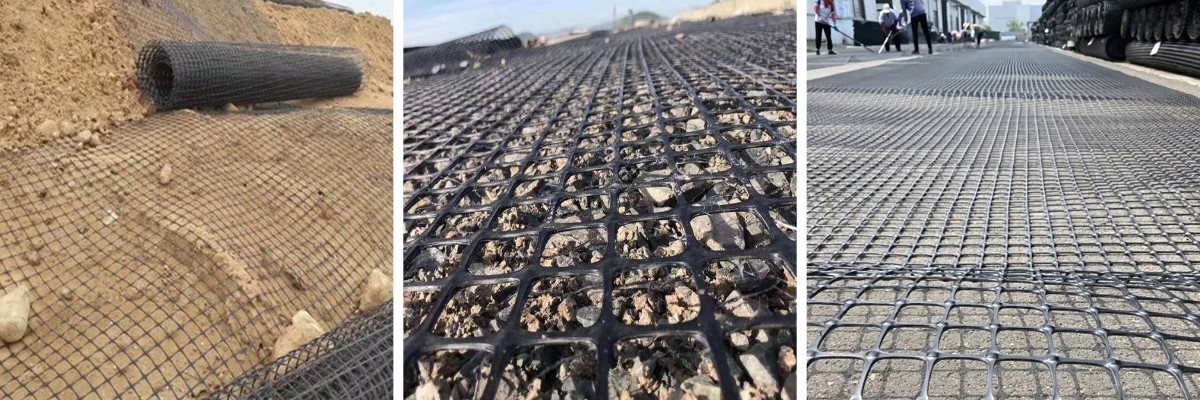
·Balanced tensile strength in both longitudinal and transverse directions, ensuring good overall load-bearing performance and uniform soil confinement
·Interlocking mesh structure tightly engages with soil particles, effectively distributing subgrade loads over a wider area
·Resistant to creep, acid/alkali corrosion, aging, and freeze-thaw cycles; suitable for long-term underground use with extended service life
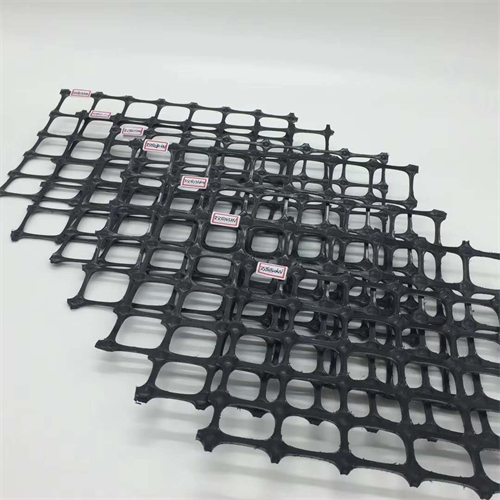
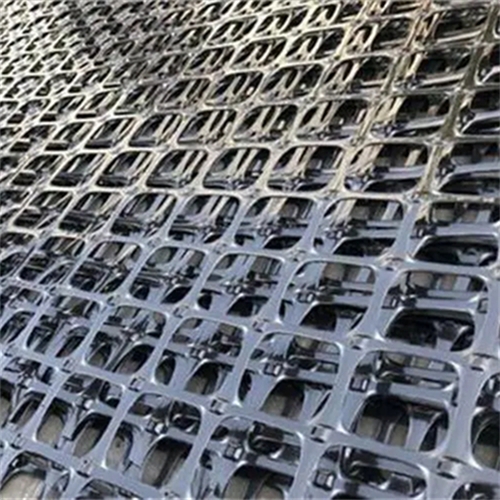
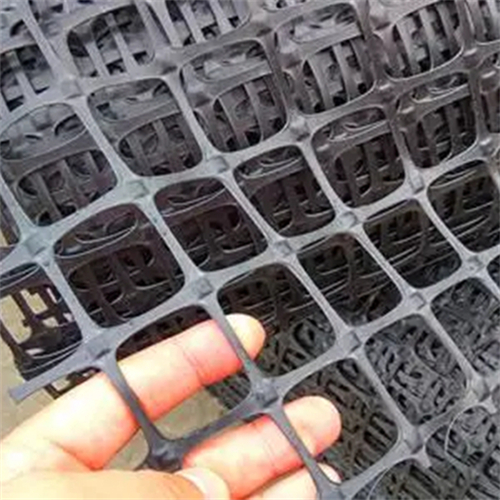
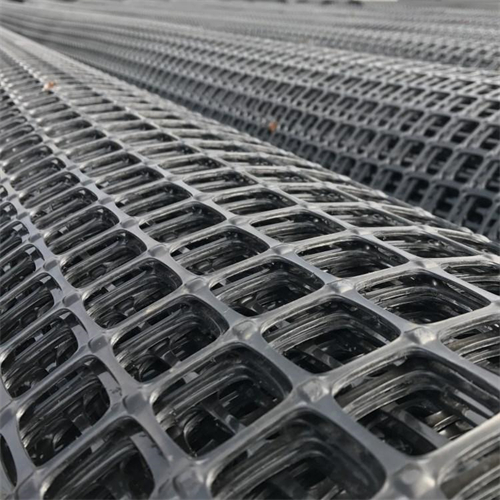
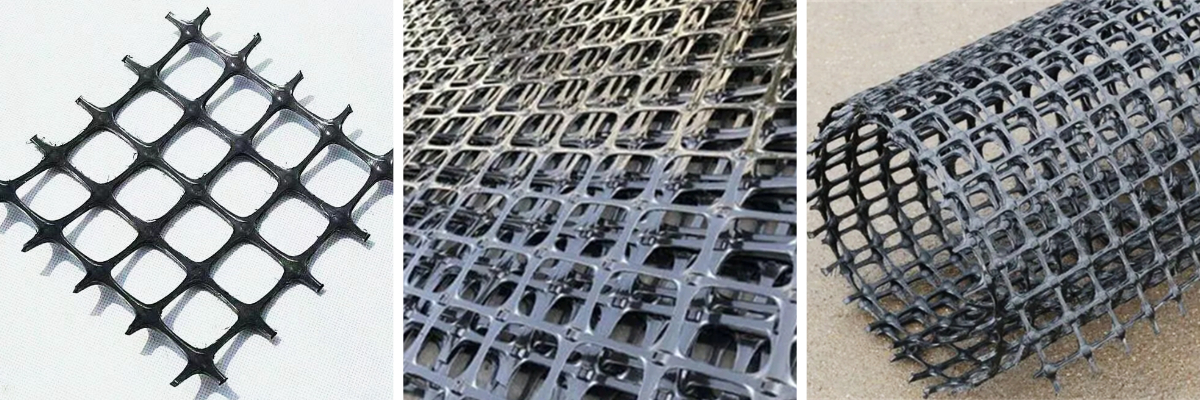
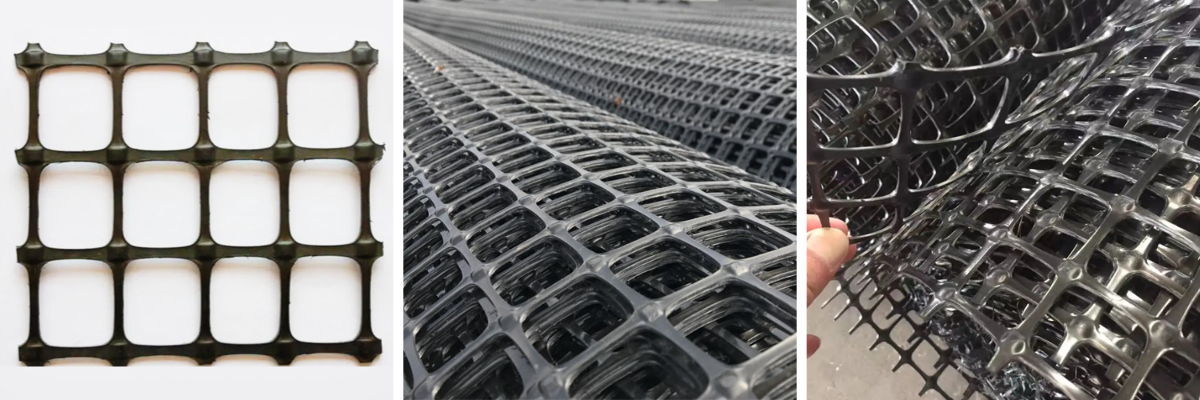
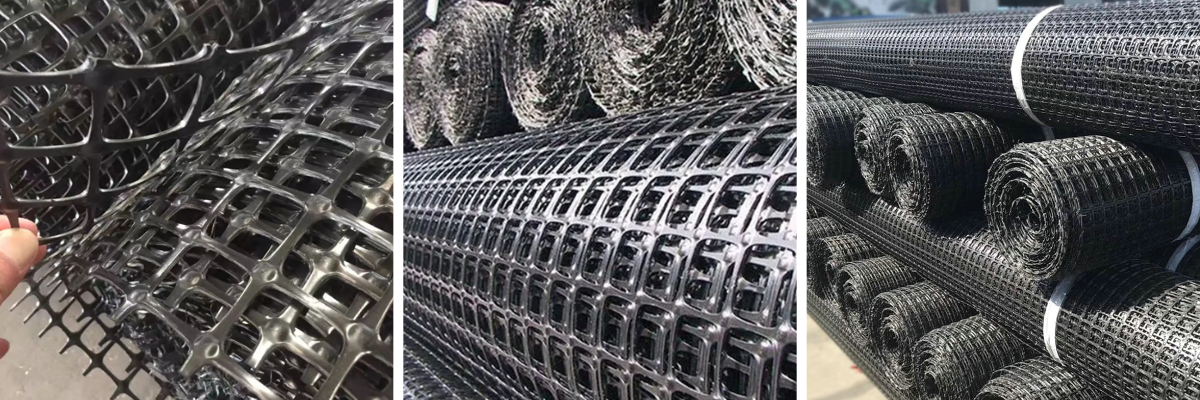
Biaxial plastic geogrid is a mesh-like soil reinforcement material made from polypropylene (PP) or high-density polyethylene (HDPE) through extrusion, punching, and biaxial stretching in both longitudinal and transverse directions. It features balanced tensile strength and uniform stress distribution in both directions, and is widely used for uniform reinforcement and crack resistance in subgrades and foundations.
Ⅰ. Product Features
·Balanced tensile strength in both longitudinal and transverse directions, ensuring good overall load-bearing performance and uniform soil confinement
·Interlocking mesh structure tightly engages with soil particles, effectively distributing subgrade loads over a wider area
·Resistant to creep, acid/alkali corrosion, aging, and freeze-thaw cycles; suitable for long-term underground use with extended service life
·Moderate elongation prevents brittle fracture; easy to handle, lay down, and overlap during construction
·Effectively mitigates differential subgrade settlement, reflective cracking in pavements, and rutting deformation
Ⅱ. Main Functions
·Reinforce weak subgrades and improve the load-bearing capacity of road foundations
·Distribute upper loads to reduce subgrade settlement and deformation
·Prevent reflective cracking in asphalt and concrete pavements
·Enhance overall subgrade stability and resist lateral squeezing deformation
·Extend road service life and reduce long-term maintenance costs
Ⅲ. Typical Application Scenarios
·Subgrade reinforcement and strengthening for highways and municipal roads
·Reinforced cushion layer treatment for weak soil foundations
·Joint treatment at interfaces between new and existing pavements, and subgrade widening projects
·Ground leveling and reinforcement for industrial site areas, parking lots, and freight yards
·Reinforcement of railway subballast layers and shallow slope protection for embankments and dikes