

Concrete cloth roll
Key Features:
• Rapid Installation: A team of three can lay 200–2,000 square meters per hour—over three times faster than conventional methods—reducing project duration by 60%.
• Convenient Transportation: Material can be rolled into compact cylinders for transport, is lightweight, easy to cut and fold, and adapts well to complex terrains.
• Eco-Friendly and Low-Carbon: Reduces material usage by 90% compared to traditional concrete, with low alkali content and minimal environmental impact.
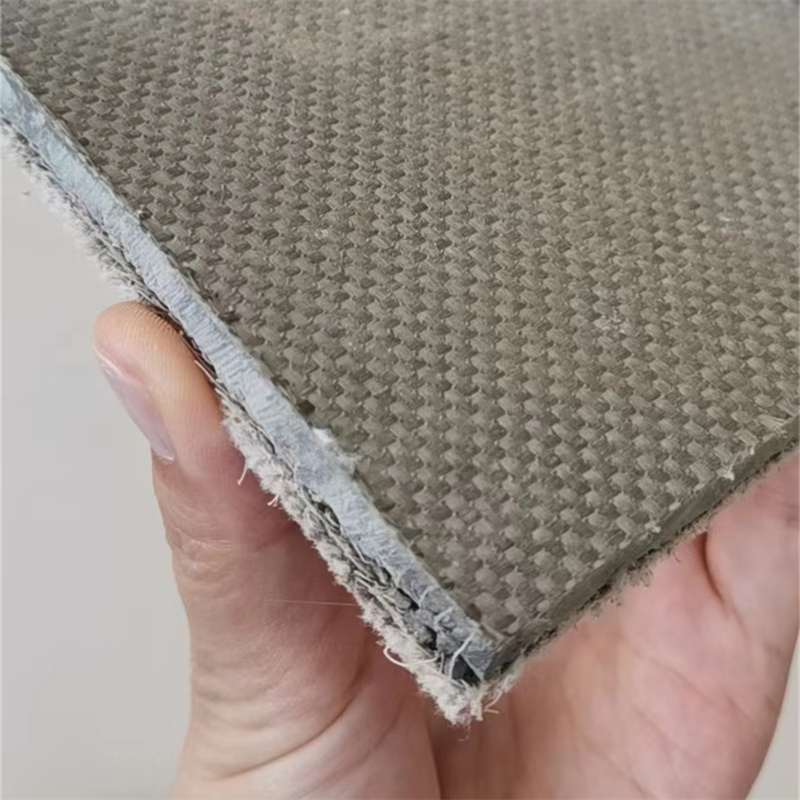
Concrete cloth roll (also known as cementitious textile or rapid-hardening concrete fabric) is a flexible fabric material impregnated with a special cement formulation. Upon contact with water, it undergoes a hydration reaction and hardens within 24 hours into a durable concrete layer that is waterproof, fire-resistant, and erosion-resistant. Combining the flexibility of textiles with the strength of concrete, it is as easy to install as laying a carpet—simply water it after placement and it will self-cure, eliminating the need for on-site concrete mixing or formwork installation.

I. Key Features:
• Rapid Installation: A team of three can lay 200–2,000 square meters per hour—over three times faster than conventional methods—reducing project duration by 60%.
• Convenient Transportation: Material can be rolled into compact cylinders for transport, is lightweight, easy to cut and fold, and adapts well to complex terrains.
• Eco-Friendly and Low-Carbon: Reduces material usage by 90% compared to traditional concrete, with low alkali content and minimal environmental impact.
• High Strength and Crack Resistance: An internal 3D fiber structure effectively prevents cracking, enhancing concrete strength after curing.
• Versatile Application: Suitable for underwater, seawater, and rainy conditions, enabling construction regardless of weather constraints.

II. Main Applications:
1. Slope Stabilization: Used for slope protection of mountain highways, rivers, and fishponds to prevent soil erosion
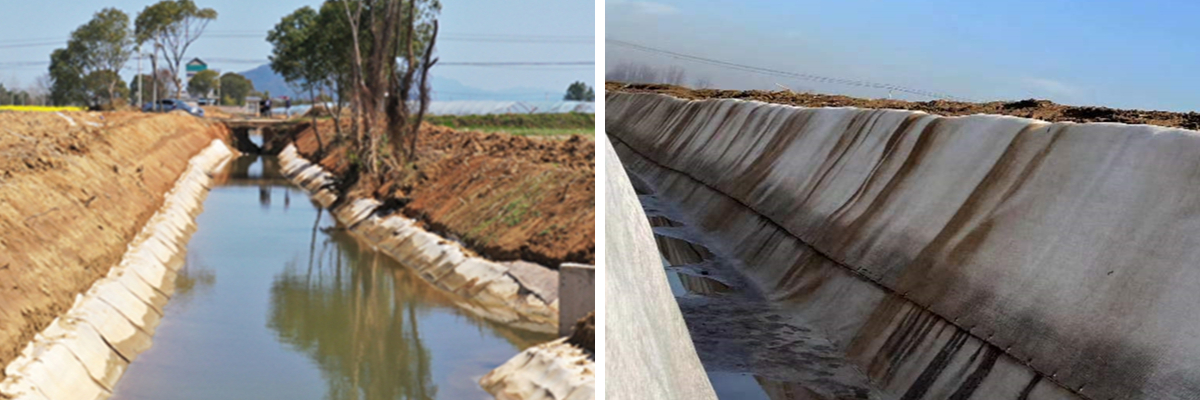
2. Water Conservancy and Irrigation: Suitable for lining drainage channels, reservoir perimeters, and agricultural waterways
3. Emergency Rescue: Rapid construction of temporary shelters, flood embankments, and road repairs after disasters
4. Industrial Fire Protection: Fire-resistant and flame-retardant layers for cable trenches in power plants and chemical plants
5. Decorative Arts: Applicable to furniture design and interior decoration to create unique aesthetic effects