Construction application case of woven geotextile in the marine ecological protection and restoration project on the west coast of Zhao'an Bay
1. Project Overview
1. Basic project information
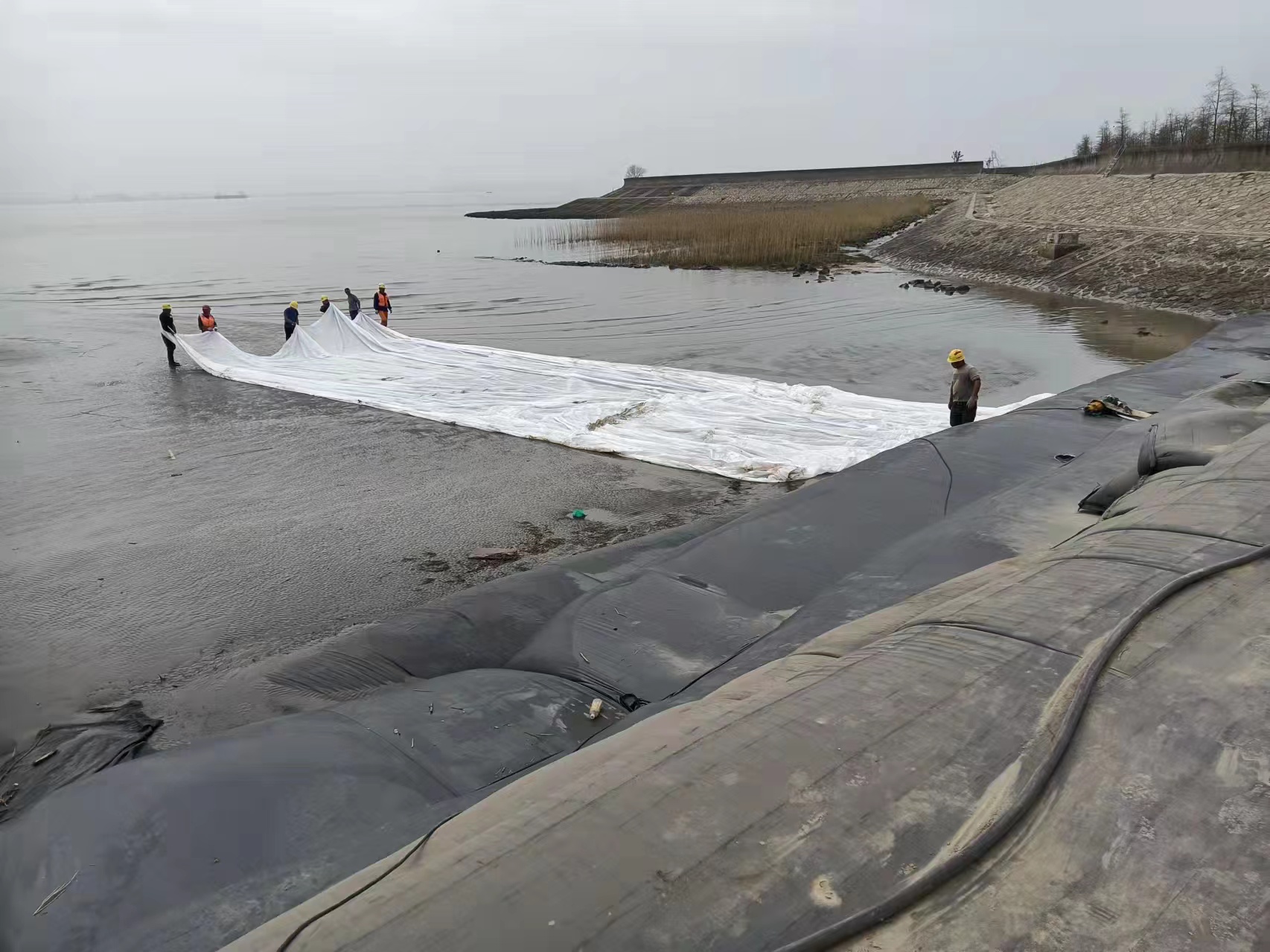
The Zhaoan Bay West Coast Marine Ecological Protection and Restoration Project is the first key marine ecological restoration project in Zhangzhou City to receive subsidies from the central government, with a total investment of 152 million yuan. It is a core project of the national "Blue Bay" rectification action undertaken by the Zhaoan County People's Government. Located in Zhaoan County, Zhangzhou City, Fujian Province, the project encompasses two major components: the ecological restoration of the mangrove forest in Gongkou Bay and the restoration of the beach shoreline in Meiling Town. It is a livelihood project aimed at strengthening the ecological barrier of Zhaoan Bay and enhancing coastal protection capabilities.
2. Core construction content
Mangrove Ecological Restoration Area: Located in Gongkou Bay, Jiazhou Village, Qiaodong Town, it involves removing 25.5hm² of Spartina alterniflora, transforming 77.2hm² of suitable mudflat for afforestation, dredging 677m of tidal channels, and planting 39.6hm² (approximately 594 mu) of mangroves such as Kandelia candel and Paulownia to create a coastal wetland ecosystem.
Beach shoreline restoration area: Located in Tiancuo Village and Dongmen Village of Meiling Town, it aims to restore 2,674m of eroded shoreline (1,773m in Tiancuo Village and 901m in Dongmen Village) by implementing sand filling for beach protection and constructing backshore zones, thereby restoring the natural morphology and protective function of the beach.
Key temporary works: To ensure dry construction conditions for mangrove planting, mudflat transformation, and shoreline restoration, the project has established temporary cofferdam works. Geotextile is used as the core geotechnical material for the cofferdam, and is simultaneously applied in scenarios such as mudflat filtration and slope protection.
3. Construction environment and difficulties
Geological conditions: The mudflat is primarily composed of mucky soil and silty sand, with low bearing capacity and strong permeability. It is prone to sliding and piping, and is greatly affected by tidal scouring.
Hydrological conditions: Located at the intersection of the East China Sea and the South China Sea, the area features a significant tidal range (approximately 3-4m), a short effective construction window, and significant interference from wind, waves, and currents during construction.
Ecological constraints: Construction must strictly protect marine life and benthic environments, prohibit pollutant emissions, and impose extremely high requirements on the environmental friendliness of materials and the eco-friendliness of construction techniques.
Material requirements: The geotextile materials must possess high strength, anti-aging, puncture resistance, filtration and drainage, and ecological environmental protection characteristics, and be suitable for marine environments with high salt content, high humidity, and strong corrosion.
II. Selection and Technical Parameters of Woven Geotextiles
1. Selection basis
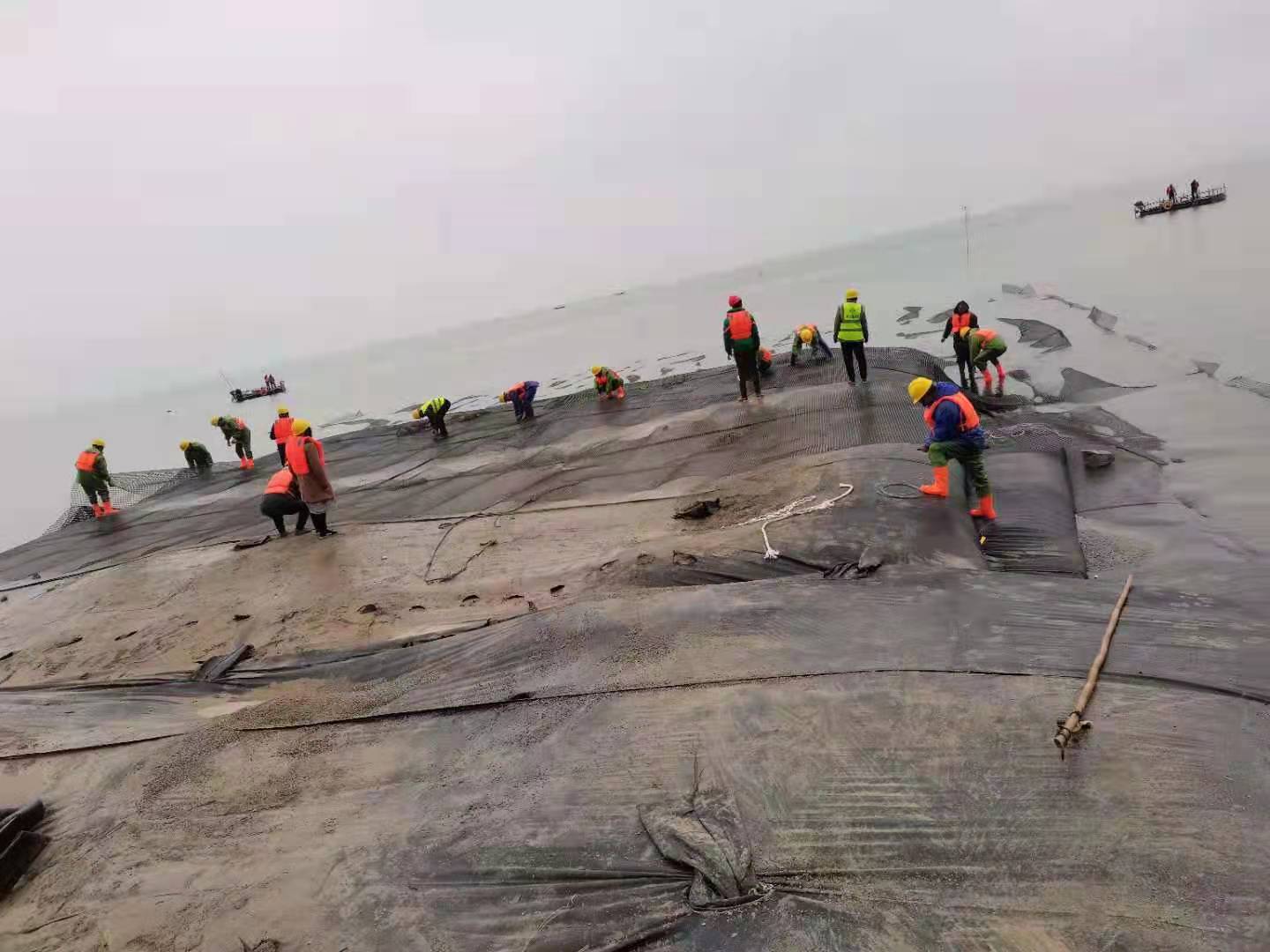
Considering the marine environment, construction conditions, and ecological requirements of the project, polypropylene (PP) high-strength woven geotextile is selected. Compared to non-woven geotextile, it exhibits higher tensile strength, stronger anti-aging properties, and superior puncture resistance, making it suitable for various applications such as cofferdam filling, mudflat filtration, slope protection, and more.
2. Core technical parameters (project-specific specifications)
table
Technical indicators, parameter requirements, testing standards, and application scenarios
Mass per unit area: 400g/㎡ GB/T 17638-2017 Cofferdam filtration, slope protection bottom layer, mudflat isolation
Tensile strength (warp/weft direction) ≥25kN/m GB/T 17639-2017 Cofferdam reinforcement, bag material
Elongation at break ≥25% GB/T 17639-2017 Adapt to mudflat deformation and tidal fluctuations
Permeability coefficient: 1×10⁻³~1×10⁻² cm/s. According to GB/T 17637-2017, it is used for filter drainage to prevent piping
Anti-aging performance: UV exposure for 1000 hours, with a strength retention rate of ≥80% as per GB/T 17636-2017, suitable for long-term outdoor use in marine environments
Corrosion resistance: Resistant to seawater salt corrosion, acid and alkali corrosion, with no harmful substances released. Ecological and environmental testing: Protects marine ecology
3. Material usage
The project has purchased approximately 126,000 square meters of 400g/㎡ woven geotextile, including 72,000 square meters for temporary cofferdam projects, 35,000 square meters for filter use in mangrove mudflats, and 19,000 square meters for slope protection along beach coastlines.
III. Core construction application scenarios and processes of woven geotextiles
(1) Temporary cofferdam project: woven geotextile + filled sandbag composite cofferdam (core application)
1. Design approach of cofferdam
In response to the characteristics of mudflat silt soil and tidal scouring, a composite cofferdam structure consisting of "woven geotextile filled sandbags + impermeable membrane + filter layer" is adopted. The woven geotextile serves as the reinforcement and filter core, addressing the issues of poor stability, leakage susceptibility, and weak anti-scouring performance of traditional cofferdams. This structure meets the flood control standard for a 5-year return period, ensuring dry land construction in mangrove planting areas.
2. Cofferdam structure and geotextile layout
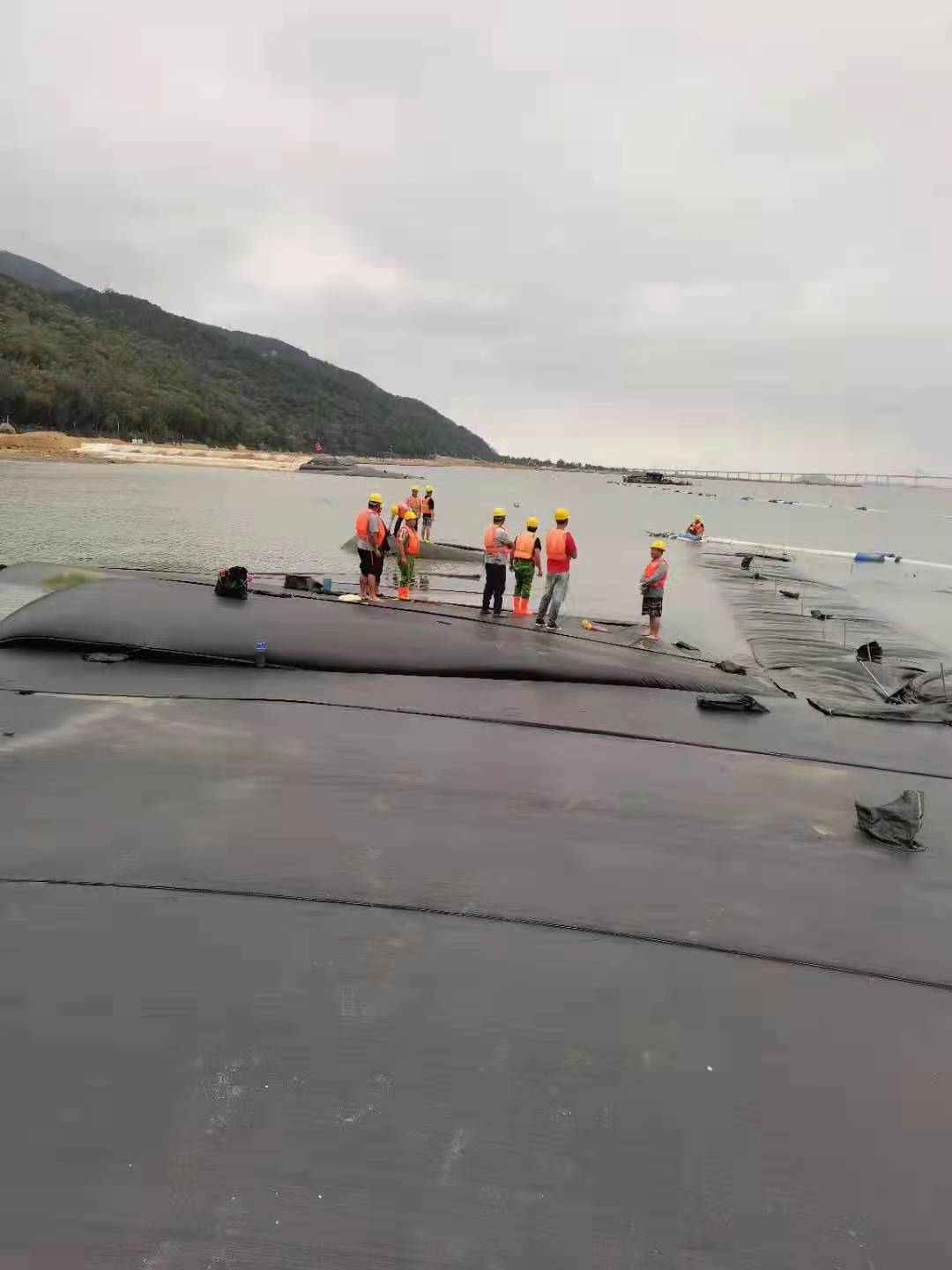
Main body of the weir: It is constructed by filling sandbags with woven geotextile in layers. The bag size is 80×120cm, with staggered joints and overlaps (overlap length ≥40cm), forming a monolithic reinforced weir framework that constrains the sand material and enhances shear strength.
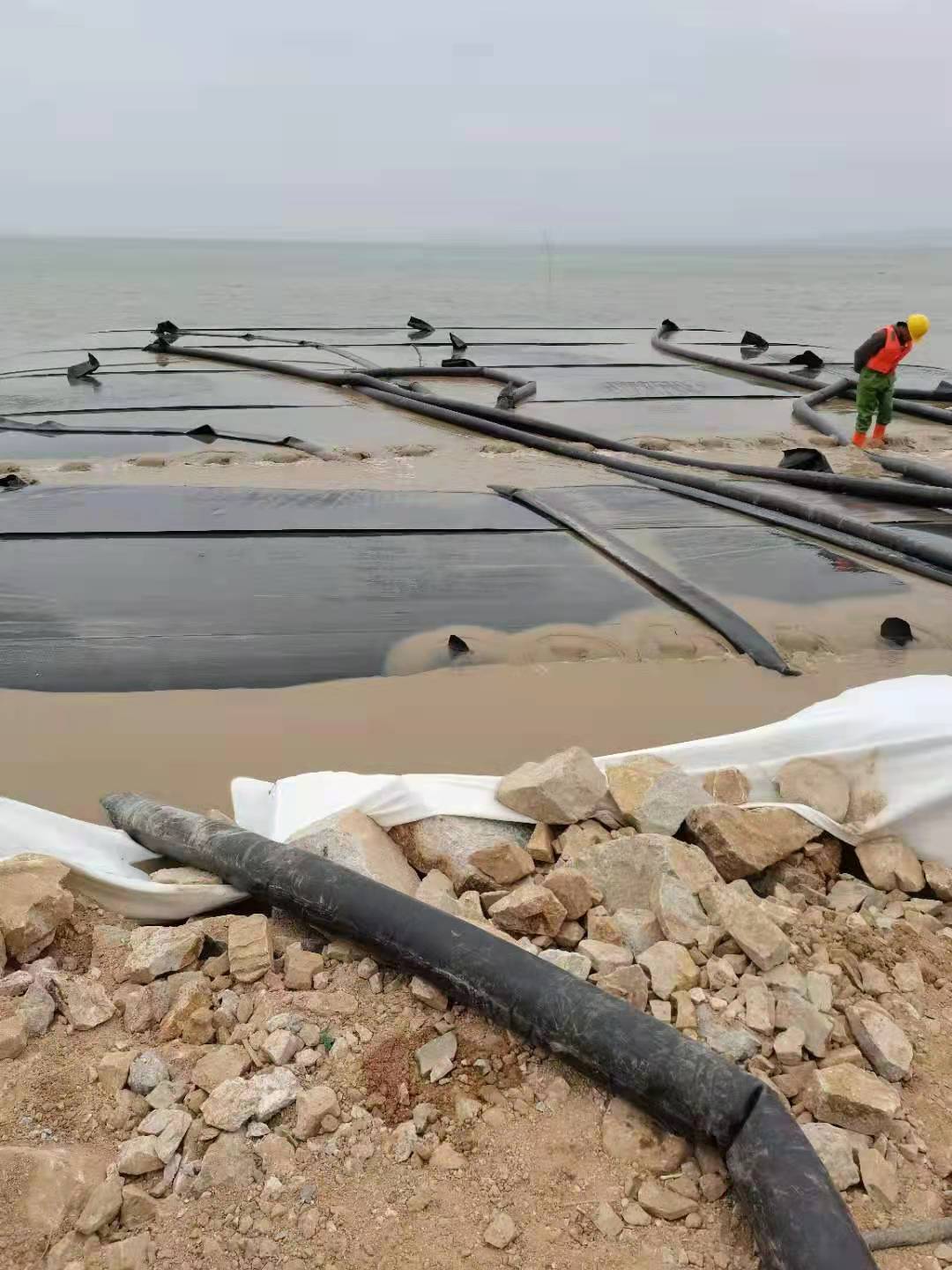
Impermeable system: A 0.5mm HDPE impermeable membrane is laid on the upstream side of the weir body, with a 400g/㎡ woven geotextile filter layer beneath it and a protective layer of sandbags covering the membrane. A woven geotextile isolation layer is laid on the weir foundation to prevent silt from mixing with sand materials.
Filtration and drainage: A 400g/㎡ woven geotextile and a gravel cushion are laid on the downstream side of the weir body. A blind drainage ditch is set up to divert the seepage water, reduce seepage pressure, and prevent piping.
Slope protection: A woven geotextile filter layer is laid on both upstream and downstream slopes. The upstream slope is covered with prefabricated concrete blocks, while the downstream slope is protected using eco-bags, balancing protection and ecology.
3. Construction process flow
1. Construction preparation: Clear the silt and debris from the mudflat, conduct surveying and setting out, excavate a diversion ditch (6m wide and 2.5m deep) to achieve early diversion; materials such as woven geotextiles, sand, and impermeable membranes shall be inspected upon arrival at the site and can only be used after passing the inspection.
2. Cofferdam foundation treatment: Lay 400g/㎡ woven geotextile as an isolation layer, cover with a 30cm thick sand cushion, and compact lightly to enhance the bearing capacity of the cofferdam foundation.
3. Filling with woven geotextile sandbags (core process)
Bag laying: Lay woven geotextile bags in layers along the axis of the weir, with the bag mouth facing the weir crest. Arrange the bags with staggered joints, ensuring an overlap length of ≥40cm to ensure tight connection between the bags.
Sand filling: The hydraulic reclamation process is employed, where clean sand from the sea area is filled into bags through a pipeline. Once the bags are fully filled, the openings are sealed tightly, with each layer having a thickness of 40-50cm.
o Compaction: After each layer of filling is completed, a light-duty roller on water shall be used for compaction, ensuring a compaction degree of ≥90% to ensure the overall stability of the bag body.
o Layer by layer: Repeat the process of "laying - filling - rolling" until reaching the design height of the weir (maximum height of 5.2m), forming a continuous weir body.
4. Construction of impermeable and filter system: Lay woven geotextile filter layer on the upstream side → weld HDPE impermeable membrane → cover with sandbag protective layer; lay woven geotextile + gravel cushion on the downstream side, and set up blind drainage ditch.
5. Slope protection and weir crest construction: Lay a woven geotextile filter layer on the slope surface and install protective structures; lay gravel pavement on the weir crest and set up wave barriers to meet flood control and transportation needs.
6. Quality inspection: Conduct real-time inspection of the compaction degree of the weir body, the overlap width of the geotextile, and the welding strength of the impermeable membrane. After completion, perform seepage flow and anti-sliding stability tests. Once these tests are passed, proceed to the main construction phase.
(II) Mangrove planting area: Application of woven geotextile for mudflat filtration and isolation
1. Application purpose
To address the issues of poor permeability of mudflat silt soil, easy collapse of planting holes, and hindered root growth of mangrove forests, the use of woven geotextiles is employed to achieve filtration and drainage, isolation and reinforcement, and root protection, thereby enhancing the survival rate of mangrove planting.
2. Construction process
1. Mudflat pretreatment: Remove Spartina alterniflora and debris, level the mudflat, and excavate planting holes (specification: 60×60×80cm).
2. Laying of woven geotextile: Lay 400g/㎡ woven geotextile at the bottom and around the planting hole to form a filter isolation layer. The edge of the geotextile should extend 20cm beyond the edge of the planting hole, with an overlap length of ≥30cm.
3. Filling and Planting: Fill the planting hole with clean sandy soil, plant mangrove seedlings, and compact the surrounding soil. Cover the top of the geotextile with a 10cm soil layer to prevent exposure and aging of the geotextile.
4. Tidal channel filtration: Weave geotextile is laid at the bottom and on both sides of the tidal channel to prevent collapse and sediment deposition, ensuring smooth tidal water circulation.
(III) Beach shoreline restoration area: Application of woven geotextile slope protection and sand filling isolation
1. Application purpose
To address issues such as beach erosion, bank slope sliding, and sand loss during filling, geotextiles are woven to achieve reinforced slope protection, isolated sand filling, and filtered drainage, thereby stabilizing the beach shoreline and enhancing its resistance to scouring.
2. Construction process
1. Bank slope preparation: Remove debris and loose soil from the eroded shoreline, adjust the bank slope (gradient 1:3), lay 400g/㎡ woven geotextile as a reinforcement layer, lay the geotextile along the slope length with an overlap length of ≥40cm, and fix it with U-shaped nails (spaced at 1.5m intervals).
2. Sand filling isolation: A sand filling area is set up behind the bank slope, and a woven geotextile isolation layer is laid to separate the sand filling from the undisturbed soil mass, preventing sand loss and soil mixing.
3. Slope protection: A crushed stone cushion is laid atop the woven geotextile, covered with ecological concrete blocks or natural stone blocks, forming a composite slope protection structure to resist wave and tidal erosion.
4. Reinforcement of the backshore zone: The backshore zone is paved with a reinforced layer of woven geotextile, and earth is filled in layers, compacted densely, to enhance the bearing capacity and stability of the backshore zone.
IV. Construction Quality Control and Ecological Protection Measures
1. Key points of quality control
Material control: Before bringing woven geotextiles onto the site, it is necessary to provide factory certification and inspection reports. On-site sampling inspection shall be conducted to assess tensile strength, permeability coefficient, and anti-aging performance. Unqualified materials are strictly prohibited from use.
Laying process: The geotextile shall be laid flat and free of wrinkles, with the lap length and fixing method strictly in accordance with the design requirements. The strength of the welding/sewing points shall not be lower than that of the parent material.
Filling control: The sandbags should be filled fully and compacted densely, with layer thickness and compaction degree meeting the standards, to prevent the cofferdam from subsiding and sliding.
Inspection and acceptance: During construction, real-time monitoring of the displacement and seepage flow of the weir body is conducted. After completion, stability and anti-erosion tests are carried out to ensure the quality of the project.
2. Ecological protection measures
Environmentally friendly materials: Polypropylene woven geotextiles free of harmful substances are selected, meeting marine ecological environmental protection requirements and avoiding pollution of the sea area.
Construction control: During the construction period, set up fences and sedimentation basins to prevent sediment and debris from entering the sea; suspend underwater construction during tidal periods to reduce disturbance to marine life.
Ecological restoration: After the completion of construction, temporary facilities should be promptly cleared to restore the natural morphology of mudflats and beaches, plant mangroves and coastal vegetation, and repair the ecosystem.
V. Application effectiveness and engineering value
1. Engineering technology effectiveness
Improvement of cofferdam stability: The reinforcement effect of woven geotextile has increased the overall shear strength of the cofferdam by 45%. During the construction period, it withstood multiple tidal and wave attacks without experiencing any incidents of slippage, leakage, or piping, ensuring continuous and stable dry construction conditions.
The filter and drainage effect is remarkable: the woven geotextile filter layer effectively intercepts sediment and discharges seepage water. The seepage flow in the mangrove planting area is controlled within the design value, the collapse rate of planting holes is reduced by 80%, and the survival rate of mangrove seedlings reaches 92%.
Enhanced shoreline protection capability: After the beach shoreline revetment is reinforced with woven geotextiles, its anti-erosion capability is improved by 50%, effectively slowing down beach erosion and significantly enhancing shoreline stability.
Improved construction efficiency: The woven geotextile is lightweight and easy to lay, adapts to the complex terrain of mudflats, shortens the cofferdam construction period by 30 days, and reduces labor and machinery costs.
2. Ecological and environmental protection achievements
Ecological protection meets standards: The woven geotextile does not release pollutants, and the water quality and benthic environment of the sea area remain unpolluted during the construction period, effectively protecting marine biodiversity.
Wetland ecological restoration: The mangrove planting area has formed a complete coastal wetland ecosystem, becoming a habitat for birds, benthic animals, and fish, significantly enriching biodiversity.
Upgrading coastal protection: Upon completion of the project, a dual protection system consisting of "mangrove forests + beaches" will be established on the west coast of Zhao'an Bay. This will significantly enhance the ability to prevent wind and waves, promote siltation, and protect the beach, as well as significantly improve the capacity to withstand typhoons and storm surges.
3. Economic and social value
Cost optimization: Compared to traditional clay cofferdams and concrete slope protection, the use of woven geotextile composite structures saves 55% of the earthwork volume and reduces project costs by 22%, resulting in significant economic benefits.
Improvement of people's livelihood and well-being: The project aims to enhance the water quality of the Zhao'an Bay sea area, create an ecological coastal landscape, stimulate the development of coastal tourism and fisheries, and elevate the public's sense of satisfaction and happiness in being close to the sea.
Demonstration effect highlights: The multi-scenario application of woven geotextiles in marine ecological restoration in this project provides a mature technical template for similar coastal wetland restoration and shoreline remediation projects nationwide, and has been awarded as "Demonstration Project of Marine Ecological Restoration in Fujian Province".
VI. Case Summary and Promotion Significance
1. Technological innovation points
The pioneering technology of composite cofferdam with woven geotextile-filled sandbags is perfectly suited for mudflat areas and tidal influence sea areas, addressing the pain points of poor stability and difficulty in seepage prevention of traditional cofferdams.
Achieve the multifunctional synergistic application of woven geotextiles, namely "reinforcement - filtration - isolation - protection", covering three major construction scenarios: cofferdam, mudflat, and shoreline, to maximize material utilization.
By adopting the hydraulic reclamation process combined with the application of geotextiles, we can utilize sand materials from the sea area locally, aligning with the ecological concept of "managing the sea with the sea". This approach helps reduce costs and shorten the construction period.
2. Scope of application for promotion
This case technology is applicable to:
Coastal mudflat, mangrove planting in intertidal zones, and coastal wetland restoration projects.
Temporary cofferdam and dry land construction support works in marine ecological restoration projects.
Slope protection and reinforcement, sand filling and isolation projects for erosive beaches and coastal zones.
Flood and tide prevention, as well as ecological revetment projects in estuaries and bays.
3. Empirical insights
In marine ecological restoration projects, the selection of geotextiles should consider technical performance, ecological environmental protection, and cost-effectiveness. Woven geotextiles are the preferred material suitable for marine environments.
For complex marine conditions, it is necessary to adopt a technical approach combining composite structures and geosynthetic materials to enhance the stability and durability of the project.
The ecological restoration project must adhere to the principle of "giving equal importance to construction and protection", and achieve a win-win situation for both engineering and ecological benefits through the use of environmentally friendly materials and ecological processes.