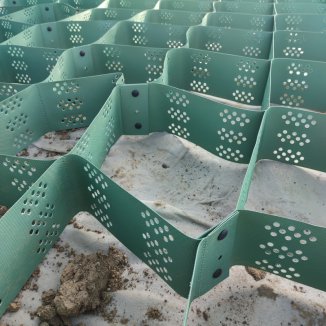
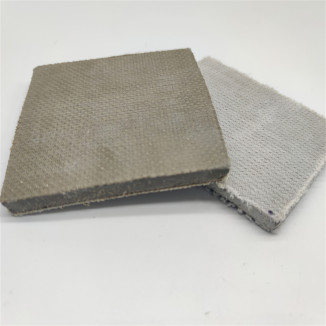
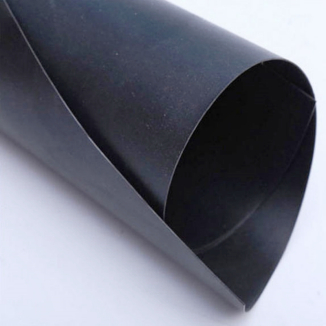
Geotextile: The Backbone of Modern Civil Engineering Reshaping Infrastructure Worldwide
The Rising Star of Civil Engineering
In the realm of modern civil engineering, geotextile has emerged as an indispensable material that is revolutionizing infrastructure projects across the globe. As urbanization accelerates and the demand for durable, cost-effective infrastructure solutions surges, these permeable synthetic fabrics have transcended their niche status to become a cornerstone of road construction, erosion control, drainage systems, and environmental engineering. According to a 2024 report by Fortune Business Insights, the global geotextiles market was valued at USD 3.39 billion in 2023 and is projected to reach USD 6.14 billion by 2032, growing at a CAGR of 6.8% from 2024 to 2032. This exponential growth underscores the pivotal role that geosynthetic materials play in addressing the challenges of contemporary construction, from stabilizing weak soil subgrades to mitigating the impacts of climate change on infrastructure.
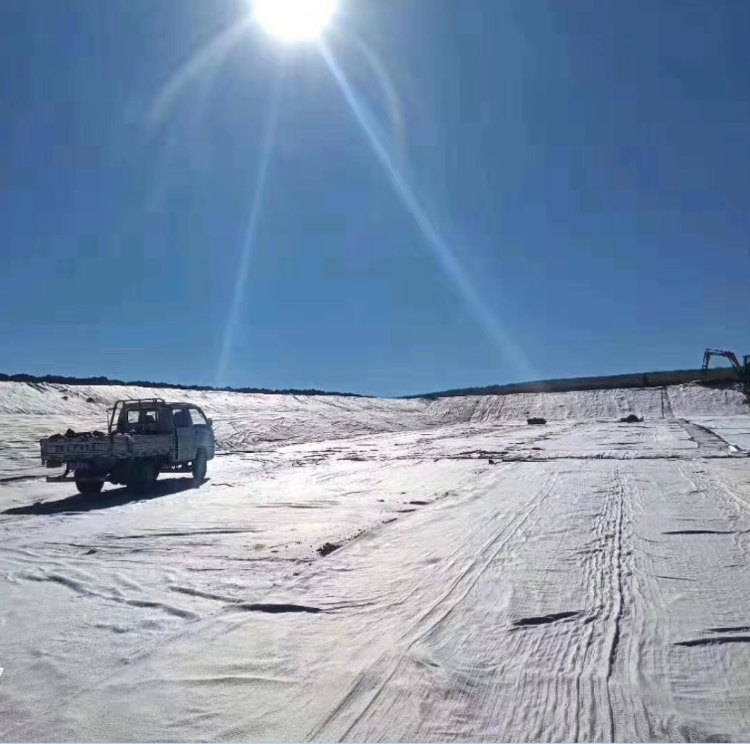
What makes geotextile truly remarkable is its multifunctional nature. Defined by ASTM D 4439 as "permeable geosynthetics comprised solely of textiles," these materials are engineered to perform multiple roles simultaneously—separation, filtration, reinforcement, protection, and drainage—solving complex engineering problems that once required cumbersome, expensive traditional methods. Whether it is a highway expansion project in Asia, a flood control system in Europe, or an environmental restoration site in North America, geotextile has proven to be a versatile, sustainable solution that enhances the longevity and performance of infrastructure while reducing overall project costs.
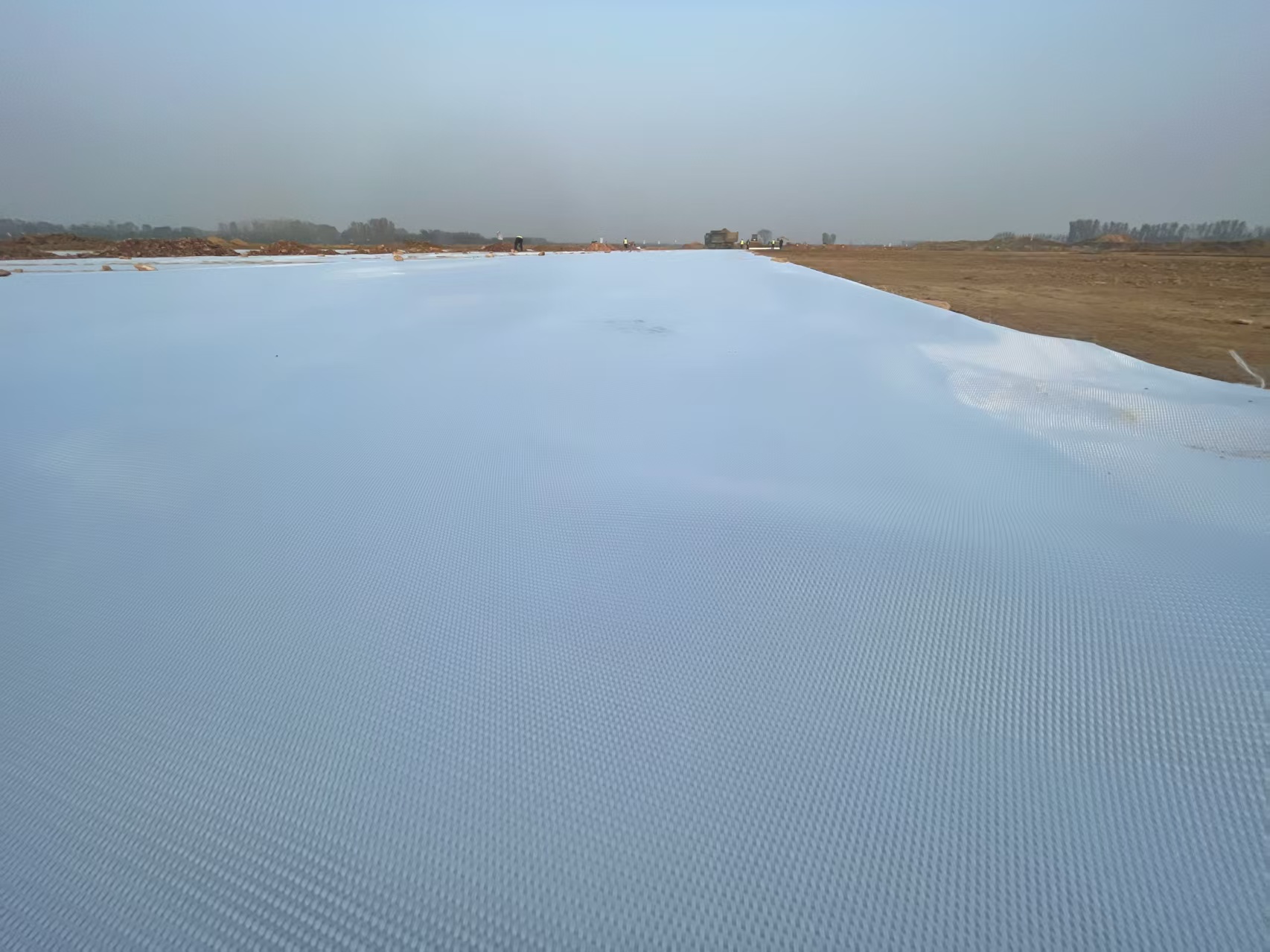
Core Types and Technical Specifications of Geotextile
To understand the widespread adoption of geotextile in civil engineering, it is essential to delve into its core types and technical specifications, which are tailored to meet the diverse needs of different applications. The two most common categories are woven geotextile and non-woven geotextile, each with unique properties that make them suitable for specific use cases.
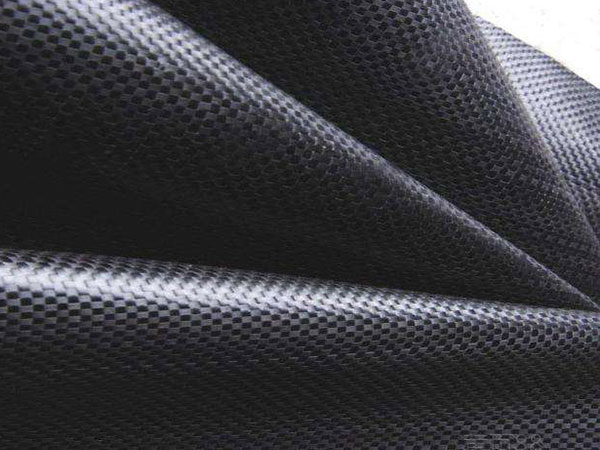
Woven Geotextile: High-Strength Reinforcement
Manufactured by interweaving synthetic fibers (typically polypropylene or polyester), woven geotextile offers exceptional tensile strength and load distribution capabilities. Its structured, grid-like pattern makes it ideal for heavy-duty applications such as structural reinforcement in road construction, retaining walls, and pipeline support. Woven geotextiles are designed to withstand high mechanical stress without tearing or deforming, making them the go-to choice for projects that require robust soil stabilization.
Key technical specifications for woven geotextile include:
Tensile Strength: Ranging from 10 to 100 kN/m, ensuring it can bear heavy loads from vehicles and structural weight.
CBR (California Bearing Ratio) Performance: High load-bearing capacity that improves the bearing power of weak subgrades.
UV Resistance: Treated to withstand prolonged exposure to sunlight, ensuring long-term durability in outdoor environments.
Non-Woven Geotextile: Filtration and Drainage Excellence
Non-woven geotextile, produced by bonding synthetic fibers through needle-punching, heat, or chemical processes, features a random fiber arrangement that creates a porous, felt-like structure. This design makes it superior in filtration and drainage applications, as it allows water to pass through while retaining soil particles. Non-woven geotextile is widely used in drainage systems, landfill liners, erosion control projects, and sports field construction.
Critical technical parameters for non-woven geotextile include:
Permeability: High water flow rate (typically 0.1–1.0 cm/s) that ensures efficient drainage, preventing waterlogging and soil erosion.
Puncture Resistance: Ability to withstand sharp objects and mechanical damage, protecting underlying soil layers.
Weight: Ranging from 100 to 800 g/m², allowing customization for light to heavy-duty applications.
Beyond these two primary types, knitted geotextile is also available for specialized projects that require elasticity and elongation without compromising strength. However, woven and non-woven variants dominate the market due to their cost-effectiveness and broad applicability.
Geotextile in Road Construction: A Game-Changer for Infrastructure Durability
Road construction is the largest application segment for geotextile, accounting for a significant share of the global market demand. As global infrastructure spending continues to rise—with investments in highway and railway projects surging in Asia, the Middle East, and Africa—geotextile road fabric has become a mandatory component in modern road engineering, addressing critical challenges such as soil instability, rutting, and premature pavement failure.
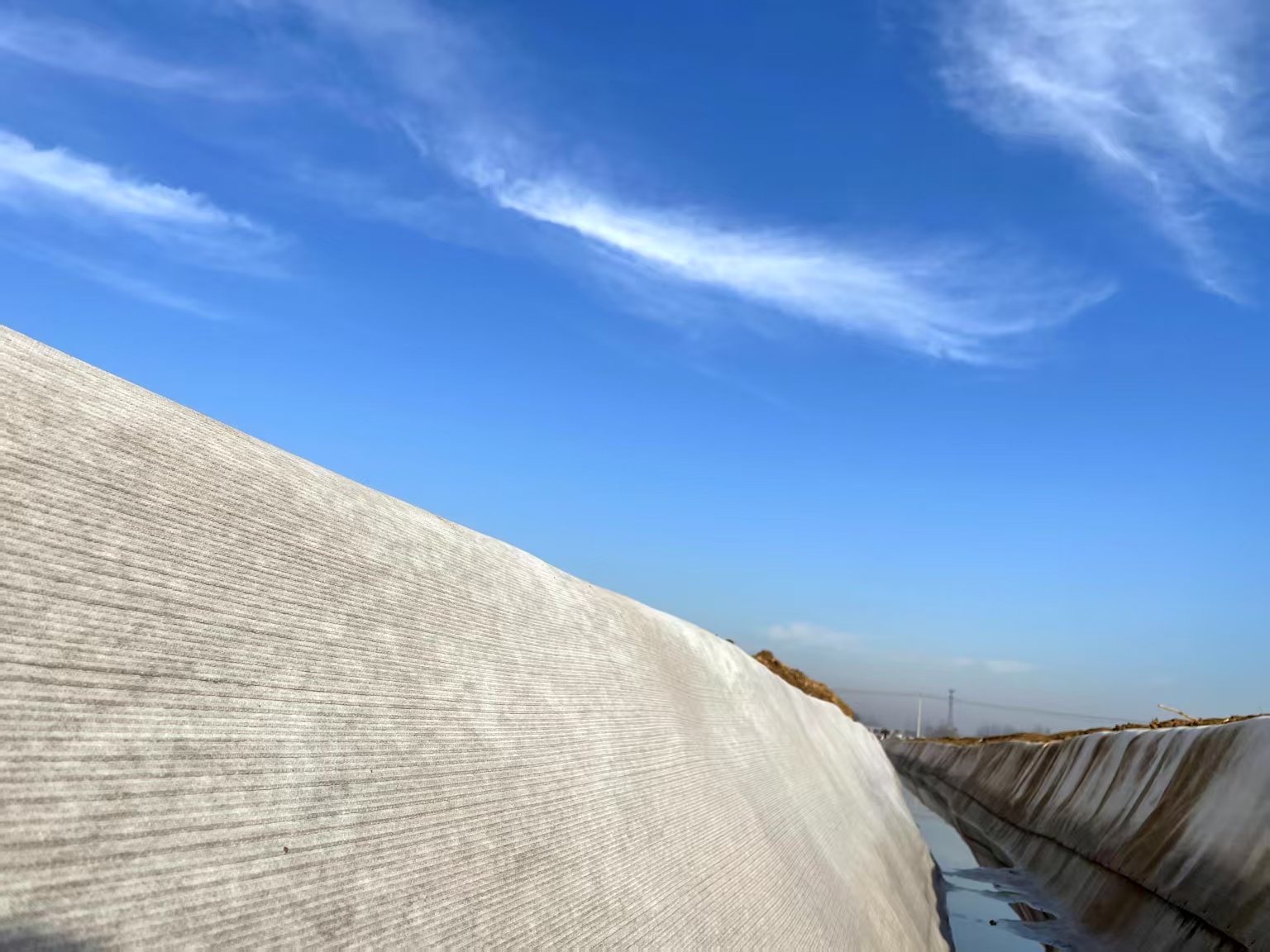
Key Functions in Road Construction
Soil Separation: One of the primary roles of geotextile in road construction is to separate fine subgrade soil from coarser aggregate layers. This prevents the mixing of soil and aggregate, which can weaken the road base and lead to uneven pavement surfaces. By creating a clear boundary between layers, geotextile ensures that each material performs its intended function, enhancing the overall structural integrity of the road.
Reinforcement: Weak subgrades, often found in soft clay or sandy soil, cannot support heavy vehicle loads without reinforcement. Woven geotextile is embedded beneath the road base to distribute loads across a wider area, increasing the bearing capacity of the subgrade. This reduces the need for excessive aggregate fill, lowering construction costs while improving the road’s load-bearing performance. Studies show that geotextile reinforcement can increase the load-bearing capacity of subgrades by up to 50%, extending the service life of roads by 10–15 years.
Drainage and Filtration: Excess water in the subgrade is a major cause of road deterioration, leading to potholes, cracking, and rutting. Non-woven geotextile facilitates rapid water drainage, allowing moisture to escape from the road structure while filtering out fine soil particles that could clog drainage systems. This prevents waterlogging and frost heave, especially in regions with cold climates, ensuring the road remains stable even during extreme weather conditions.
Erosion Control: In roadside embankments and slopes, geotextile acts as a protective barrier against erosion caused by rainwater and wind. By reinforcing the soil surface and promoting vegetation growth, geotextile reduces soil erosion by up to 70%, preserving the stability of road embankments and preventing slope failures.
Case Study: Geotextile Transforming Highway Projects in Asia
A recent highway expansion project in India’s Uttar Pradesh state exemplifies the transformative impact of geotextile on road construction. The project, which aimed to upgrade a 200-kilometer stretch of highway, faced challenges with weak alluvial soil that was prone to settlement and erosion. Engineers specified non-woven geotextile with a weight of 300 g/m² for subgrade stabilization and woven geotextile for load distribution in high-traffic sections.
The use of geotextile reduced the need for 25% of aggregate material, cutting construction costs by USD 1.2 million while accelerating project completion by three months. Post-construction monitoring revealed that the road had minimal rutting and cracking after two years of heavy traffic, far outperforming traditional roads built without geotextile. This success story has led the Indian government to mandate geotextile use in all national highway projects under its Bharatmala Pariyojana initiative, driving further demand for geosynthetic materials in the region.
Environmental and Sustainability Benefits of Geotextile
In an era where sustainability is a top priority for the construction industry, geotextile stands out as an eco-friendly solution that aligns with global efforts to reduce carbon emissions and promote circular economy principles. Its environmental benefits extend beyond project performance, making it a preferred choice for green infrastructure projects.
Reduced Material Consumption and Carbon Footprint
Traditional road construction and soil stabilization projects rely heavily on natural resources such as sand, gravel, and stone. The extraction and transportation of these materials contribute significantly to carbon emissions and environmental degradation. By replacing a portion of aggregate with geotextile, construction projects can reduce material consumption by 15–30%, lowering the demand for natural resource extraction.
A life cycle assessment conducted by the International Geosynthetics Society found that using geotextile in road construction reduces carbon emissions by up to 20% compared to traditional methods. This reduction is attributed to lower transportation costs (fewer materials transported) and reduced energy consumption for aggregate production. Additionally, geotextile’s long service life minimizes the need for frequent road resurfacing and reconstruction, further decreasing the carbon footprint of infrastructure over its lifecycle.
Waste Reduction and Landfill Mitigation
Geotextile also plays a critical role in waste management and landfill engineering. In landfill sites, non-woven geotextile is used as a liner and drainage layer, preventing leachate from contaminating groundwater while facilitating the collection and treatment of landfill gas. By improving the efficiency of landfill operations, geotextile helps reduce the environmental impact of waste disposal and extends the lifespan of existing landfills.
Furthermore, many modern geotextiles are made from recycled polypropylene or polyester, further reducing their environmental footprint. Manufacturers are increasingly adopting sustainable manufacturing practices, such as using renewable energy in production and implementing waste reduction programs, making geosynthetic materials a truly green choice for civil engineering.
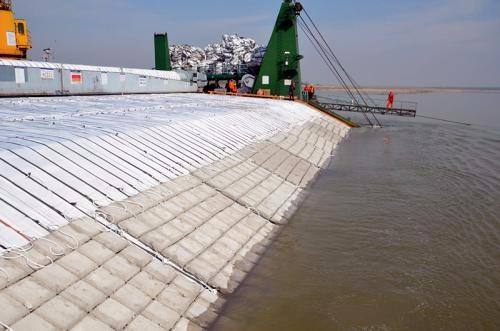
Geotextile Applications Beyond Road Construction
While road construction is the primary application, geotextile finds use in a wide range of civil engineering and environmental projects, showcasing its remarkable versatility. From erosion control in coastal areas to agricultural soil improvement, geotextile is solving complex challenges across diverse sectors.
Erosion Control in Coastal and Riverine Projects
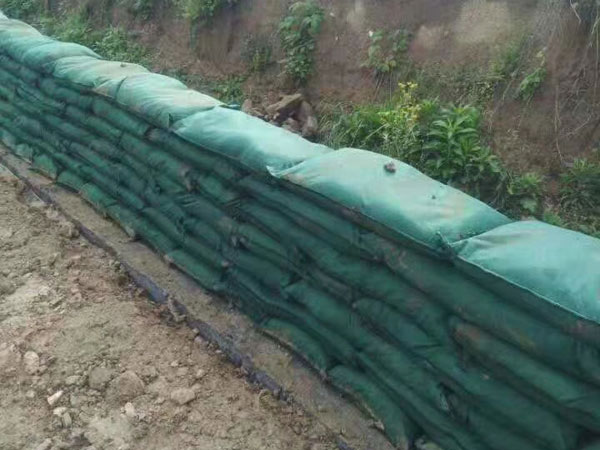
Coastal erosion and riverbank degradation are pressing issues worldwide, exacerbated by climate change and rising sea levels. Geotextile is used in coastal protection projects to reinforce riverbanks, prevent soil erosion, and restore natural habitats. In the Netherlands, a country renowned for its flood control infrastructure, geotextile is integrated into dyke and levee construction to enhance stability and resistance to water pressure. Similarly, in the United States, geotextile is used in Mississippi River restoration projects to protect shorelines and support wetland regeneration.
Railway and Airport Construction
In railway and airport infrastructure, geotextile is used to stabilize track beds and runway surfaces, reducing settlement and improving load distribution. For high-speed rail projects, geotextile reinforcement ensures smooth, safe travel by minimizing track deformation caused by high-speed trains. Airports also rely on geotextile to support the heavy loads of aircraft, extending the lifespan of runways and taxiways while reducing maintenance costs.
Environmental Restoration and Landscaping
Geotextile is a key tool in environmental restoration projects, including mine reclamation, wetland restoration, and urban landscaping. In mine reclamation, geotextile is used to cover toxic waste sites, preventing soil and water contamination while promoting vegetation growth to restore the land to its natural state. In urban landscaping, geotextile is used under pavers and artificial turf to improve drainage, prevent weed growth, and protect soil from compaction.
Future Trends and Innovations in Geotextile Technology
As technology advances and engineering needs evolve, the geotextile industry is poised for significant innovation, with new materials and applications emerging to meet the demands of 21st-century infrastructure. Several key trends are shaping the future of geosynthetic materials:
Smart Geotextiles with Sensor Integration
The rise of smart infrastructure has led to the development of intelligent geotextile embedded with sensors that monitor soil moisture, temperature, and structural stress in real time. These sensors provide engineers with data on the performance of infrastructure, enabling proactive maintenance and reducing the risk of catastrophic failures. Smart geotextiles also have the potential to self-heal minor damages, extending the lifespan of infrastructure and reducing long-term maintenance costs.
Biodegradable and Bio-Based Geotextiles
To address environmental concerns, researchers are developing biodegradable geotextile made from natural fibers such as jute, coir, and hemp. These eco-friendly materials decompose over time, making them ideal for temporary projects such as erosion control during construction or agricultural applications. Bio-based geotextiles offer a sustainable alternative to synthetic materials, reducing reliance on petroleum-based products and aligning with global sustainability goals.
Advanced Manufacturing for Customized Solutions
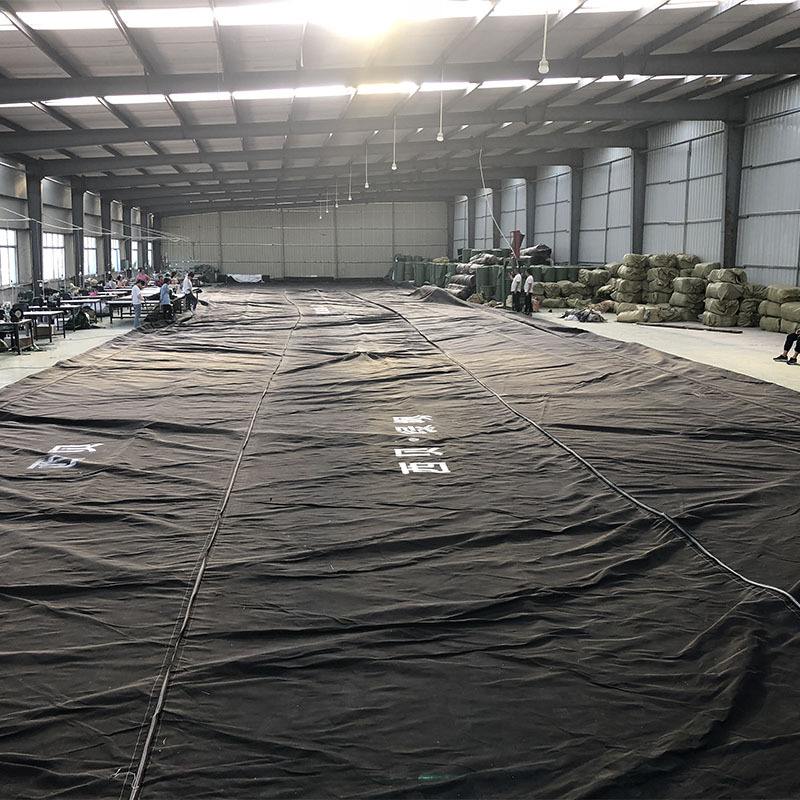
Advancements in manufacturing technologies, such as computerized weaving and precision fiber bonding, are enabling the production of customized geotextile with tailored properties for specific projects. Engineers can now specify geotextile with exact tensile strength, permeability, and thickness to meet the unique requirements of each project, optimizing performance and cost-effectiveness. This level of customization is driving the adoption of geotextile in niche applications, from deep foundation engineering to underwater construction.
Conclusion: Geotextile as the Future of Civil Engineering
Geotextile has evolved from a niche engineering material to a global infrastructure essential, reshaping the way we build, protect, and sustain our built environment. Its multifunctional capabilities, cost-effectiveness, and environmental benefits make it indispensable in road construction, erosion control, drainage systems, and environmental engineering. As the global demand for durable, sustainable infrastructure continues to grow, geosynthetic materials will play an increasingly critical role in addressing the challenges of urbanization, climate change, and resource scarcity.
With ongoing innovations in material science and manufacturing, the future of geotextile is bright. From smart geotextiles that monitor infrastructure health to biodegradable options that minimize environmental impact, these materials will continue to push the boundaries of what is possible in civil engineering. As engineers and policymakers recognize the value of geotextile, we can expect to see even more ambitious infrastructure projects leveraging this versatile material, creating safer, more resilient, and sustainable communities worldwide.
Whether you are a civil engineer, a construction contractor, or a policymaker, embracing geotextile is not just a choice—it is a necessity for building the infrastructure of the future.