Innovative Technology Builds Safety, Green Construction Benefits People's Livelihoods —— Construction Record of Woven Tube Bag in Hepu Zongjiang Sluice Project
I. Project Overview and Construction Challenges
Transportation Blockage: During the construction period, key passages such as Shuangjiang Bridge and Shangyang Bridge were under traffic control due to dangerous bridge reconstruction, making it impossible to transport large quantities of earth and rock to the site, and the construction of the traditional technology came to a standstill.
High Cost: Long-distance transportation of earth and rock not only greatly increases transportation costs but also generates a large amount of construction waste, resulting in huge environmental pressure, which is contrary to the project's green construction concept.
Tight Construction Period: If the original scheme is adopted, the cofferdam construction will be delayed by one year, seriously affecting the total construction period and failing to fulfill the commitment of people's livelihood guarantee on time.
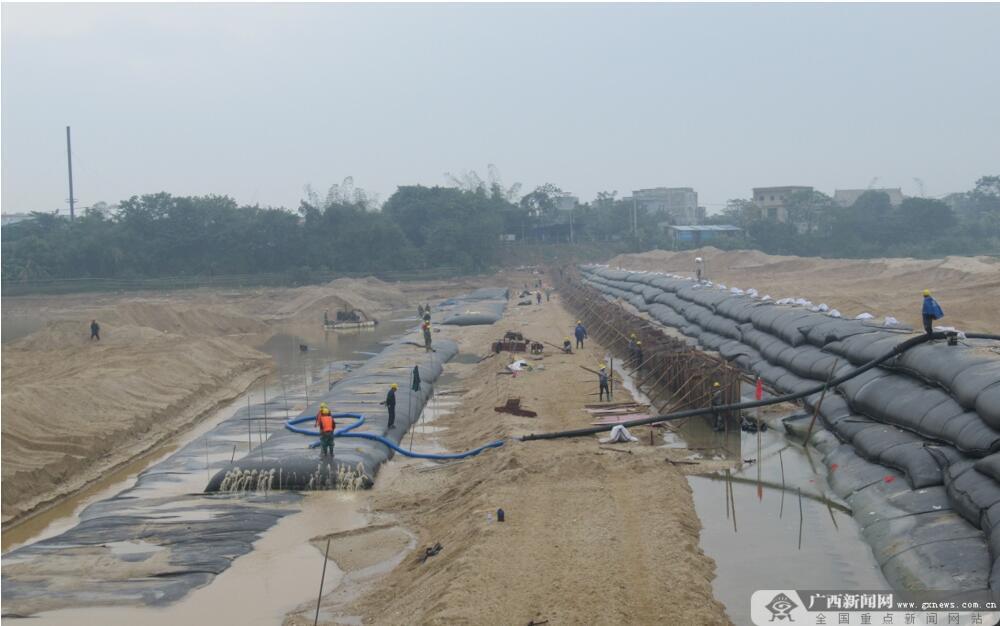
Against this background, the project team, together with professional technical units, conducted repeated demonstrations, resolutely optimized the scheme, and adopted the innovative combined technology of woven tube bag sand filling cofferdam + steel sheet pile seepage prevention. This not only solved the construction difficulties but also demonstrated the technological innovation strength of water conservancy construction.
II. Woven Tube Bag Construction Technology: A Detailed Explanation of a Green and Efficient New Water Conservancy Construction Scheme
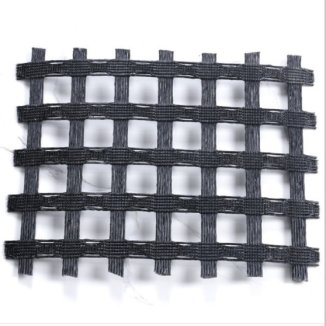
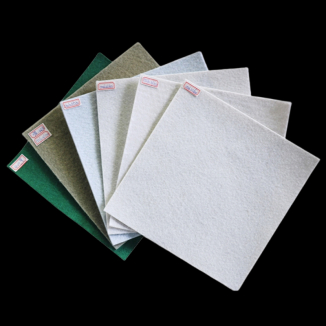
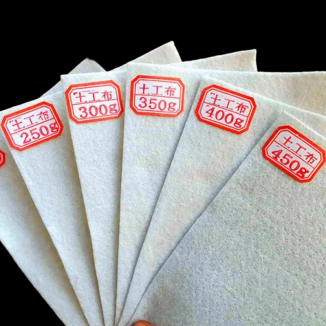
(I) Core Definition and Material Characteristics of the Technology
(II) Core Advantages of the Technology
Local Materials, Energy Conservation and Environmental Protection: It directly uses the abundant river sand resources in the lower reaches of Nanliu River as filling materials, eliminating the need for mountain quarrying and long-distance transportation of earth and rock. It not only greatly reduces transportation costs but also avoids dust and noise pollution caused by stone mining and earth-rock transportation, practices the concept of green water conservancy construction, and reduces the impact on the surrounding ecological environment and residents' lives.
Rapid Forming, Efficiency Improvement: After the woven tube bags are filled with sand, the sand body can drain and consolidate quickly. A single bag can form a stable structure after sand filling. Compared with the traditional layered rolling construction method of earth-rock cofferdam, the construction efficiency is improved by more than 30%, effectively shortening the construction period.
Safe and Reliable, Strong Adaptability: The sand-filled woven tube bags form a "flexible whole" with strong impact resistance and settlement resistance. Combined with the inner steel sheet pile seepage prevention core wall, it forms a "soft outside and hard inside" composite cofferdam structure, which can effectively resist the reciprocating impact of tides and flood attacks, adapting to the working condition of large tide changes in the lower reaches of Nanliu River.
Controllable Cost, Excellent Economy: It eliminates the links of earth-rock transportation, mining, and waste disposal, directly reducing the project cost by about 15%, and at the same time reducing the input of construction personnel, achieving the dual improvement of economic and social benefits.
(III) Key Construction Processes and Technical Points
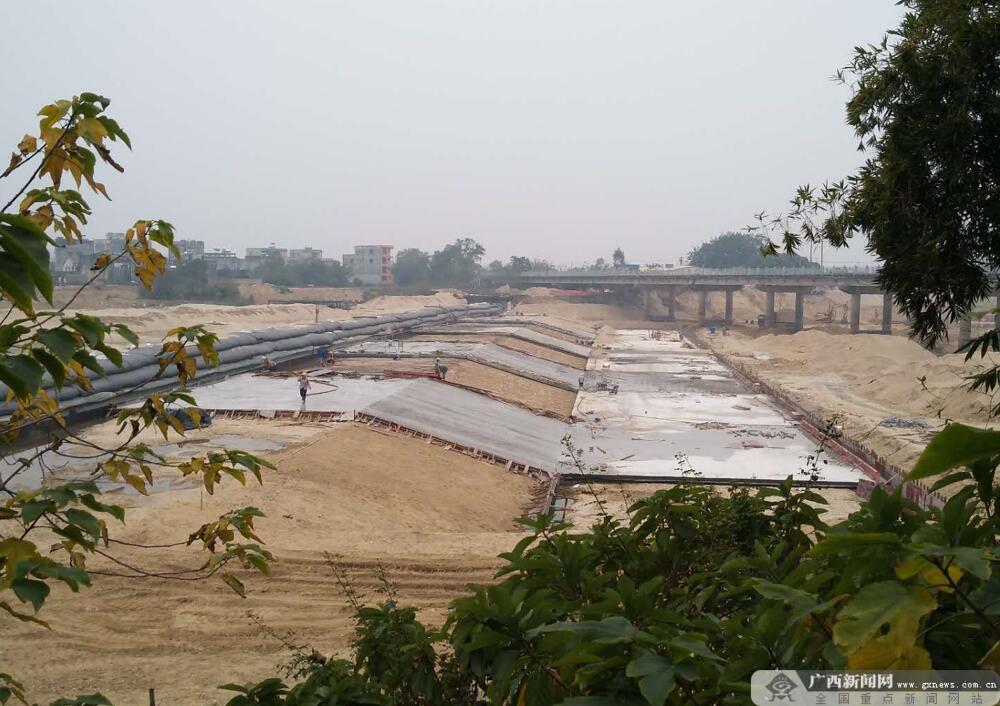
Base Treatment: Before construction, professional divers were arranged to clean up the riverbed sludge, sharp debris, and obstacles underwater to ensure that the base for laying the tube bags is flat and firm, avoiding sharp objects piercing the tube bags; at the same time, the base was compacted with a compaction degree of not less than 95% to lay the foundation for the laying of the tube bags.
Tube Bag Laying and Positioning: The operation was carried out during the low tide slack period (the period when the tide level is the lowest and the water flow is the slowest). The prefabricated woven tube bags were accurately laid according to the design axis and fixed crosswise with bamboo piles and anchor rods to ensure that the position deviation of the tube bags does not exceed 5cm, preventing displacement and deformation during sand filling.
Layered Sand Filling and Consolidation: A high-pressure mud pump was used for sand filling operation, with the sand filling pressure controlled at 0.3-0.5MPa and the sand filling speed kept uniform to avoid tube bag damage caused by excessive pressure; the method of "layered sand filling and layered consolidation" was adopted: the operation was suspended after each 30cm of sand filling, and the next layer of sand filling was carried out after the sand body drained and consolidated, ensuring that the bag body is evenly full with a filling degree of more than 98%.
Seepage Prevention System Construction: U-shaped steel sheet piles were driven inside the woven tube bag cofferdam. The steel sheet piles are 12m long and constructed by the vibration pile driving method. The pile bodies are closely connected to form a continuous seepage prevention core wall, which completely solves the problem of cofferdam seepage and ensures the water blocking effect of the cofferdam.
Cofferdam Protection and Maintenance: A 10cm thick C20 concrete protective layer was poured on the top of the cofferdam, and geotextile was laid on the slope to prevent rainwater scouring and tide erosion; special personnel were arranged to inspect regularly, monitor the integrity of the tube bags, the settlement and seepage of the cofferdam, and deal with various hidden dangers in a timely manner to ensure construction safety.
![]()
III. Overcoming Difficulties: Refined Management Ensures Construction Quality
Precise Tide Operation Control: Special personnel were arranged to monitor tide changes and draw tide timetables. The low tide slack period was strictly selected for tube bag laying, sand filling, and steel sheet pile construction, avoiding high tide periods and strong water flow periods to ensure construction safety and operation precision.
Full-Process Quality Monitoring: A dual quality control system of "on-site inspection + data monitoring" was established to real-time monitor the sand filling pressure, bag filling degree, cofferdam settlement, and seepage prevention effect. The insertion method was used to detect the sand filling thickness to ensure that the deviation of various indicators is controlled within ±2cm; incoming inspection was conducted on the woven tube bag materials, and the use of unqualified materials was prohibited.
Comprehensive Safety Guarantee: Professional diving teams, emergency rescue equipment, and life-saving equipment were equipped, and a 24-hour duty system was implemented. Special emergency plans were formulated for sudden tides, tube bag damage, and other dangerous situations, and emergency drills were organized to ensure the personal safety of construction personnel and the safety of project construction.
![]()
IV. Remarkable Achievements: People's Livelihood Project Highlights Technological Strength
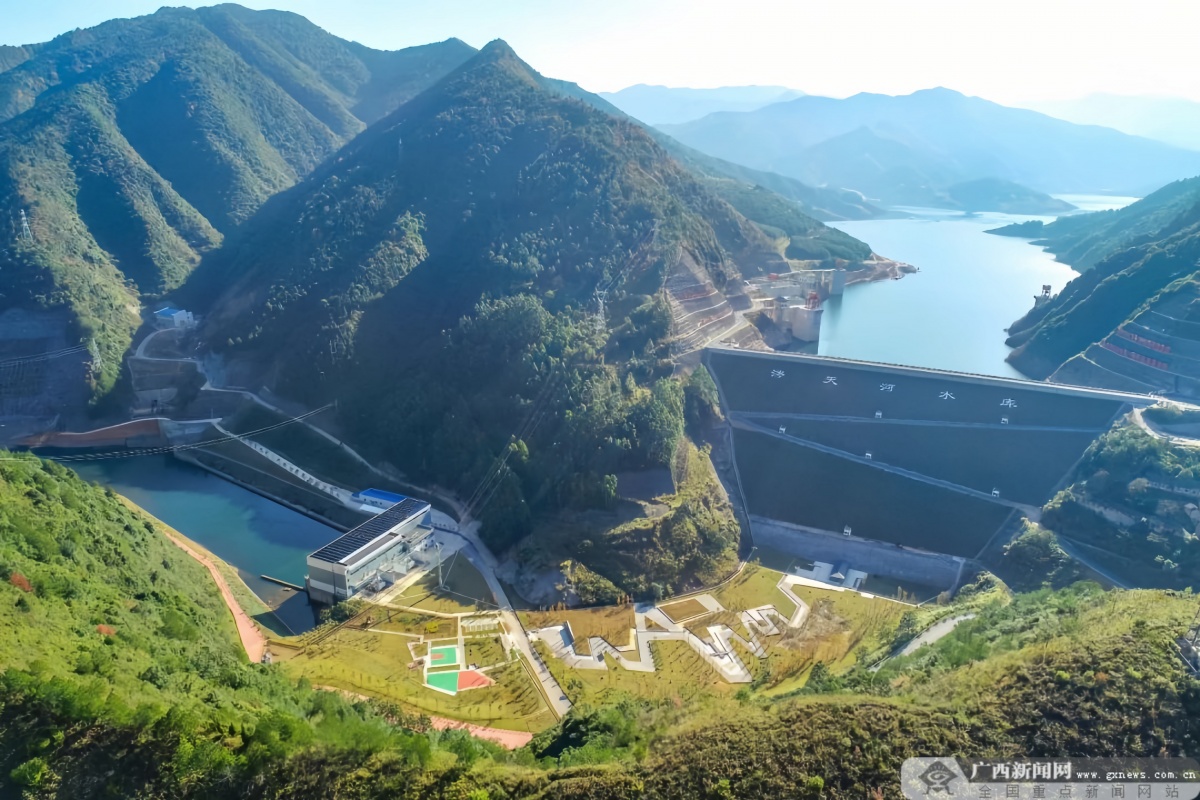
Significant Effect in Construction Period Guarantee: The high efficiency of the woven tube bag technology shortened the cofferdam construction period by 6 months, ensuring that the Zongjiang Sluice Danger Removal and Reinforcement Project was completed and accepted as scheduled in November 2020, and quickly exerted the functions of flood control, tide blocking, water supply, and irrigation.
Outstanding Results in Cost Savings: Using local materials, reducing transportation, and waste disposal directly reduced the project cost by about 15%, realizing the optimization and improvement of economic benefits.
Obvious Ecological and Environmental Benefits: There was no mountain quarrying or waste soil pollution throughout the process, the dust and noise pollution were greatly reduced, the ecological environment in the lower reaches of Nanliu River was protected to the greatest extent, and it was highly recognized and supported by the surrounding people.
Prominent Technical Demonstration Value: This technology was applied on a large scale for the first time in large-scale sluice projects in Guangxi, accumulating valuable construction experience, providing a replicable and promotable technical scheme for cofferdam construction of coastal and riverine water conservancy projects in China, and promoting the innovation and upgrading of water conservancy construction technology.