Case Study on the Use of Geotextiles in Dam Reinforcement Projects
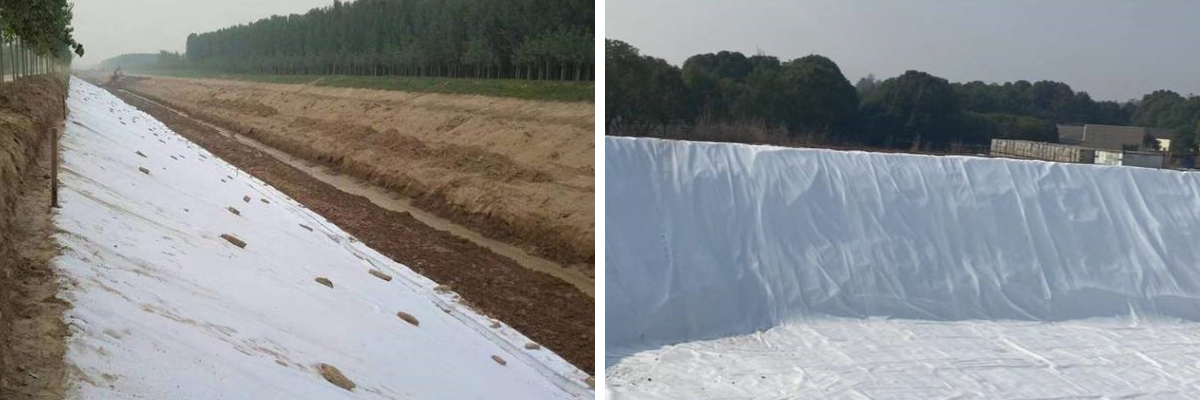
Geotextile Reinforcement Project for Mainstream River Levees (Flood Control Embankments)
Ⅰ. Overview of Geotextile Application in Dam Engineering
This levee serves as a regional flood control mainline, with a total length of 12.6 km, constructed as a homogeneous earth embankment. Long-term exposure to river water immersion and wave erosion has led to loose soil structure, posing risks such as slope collapse, seepage, and piping during flood seasons. The existing slope protection is aged and damaged, failing to meet current flood control standards, thus requiring comprehensive reinforcement.
Ⅱ. Geotextile Application Details
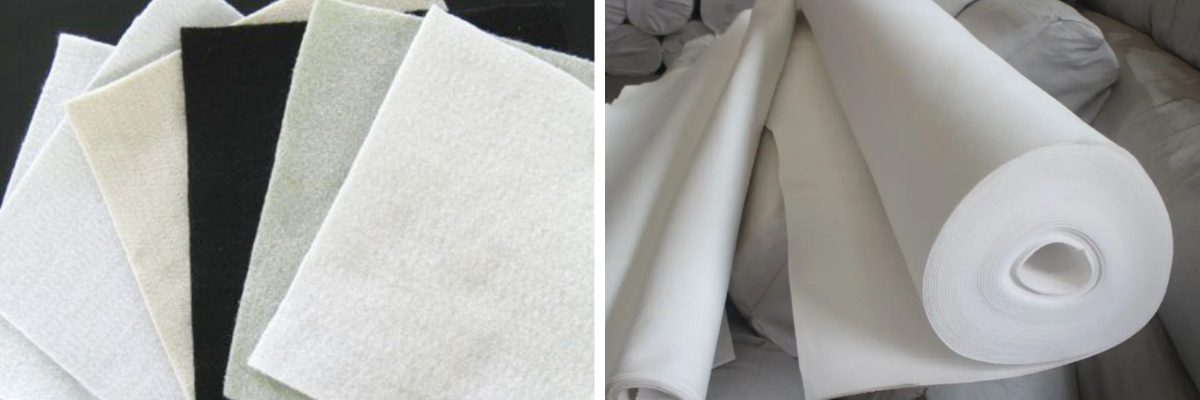
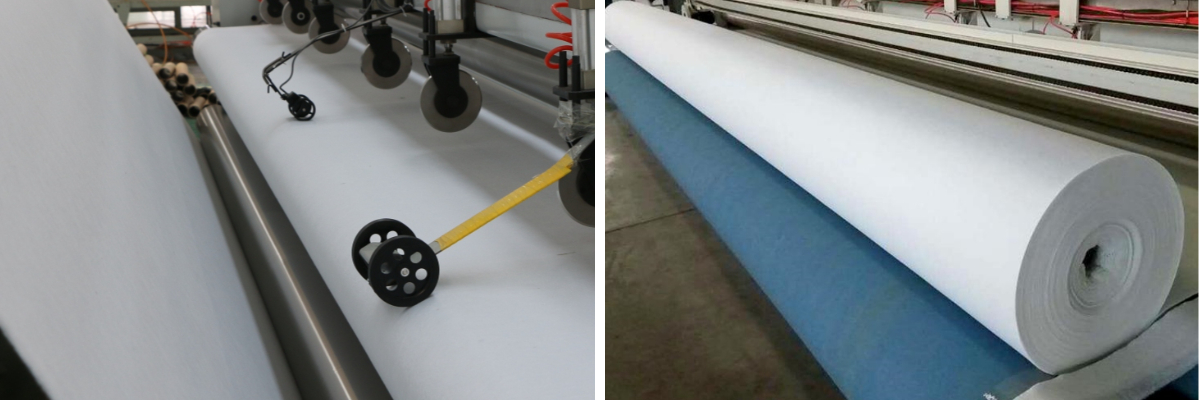
200–300 g/m² short-fiber needle-punched geotextiles were selected.
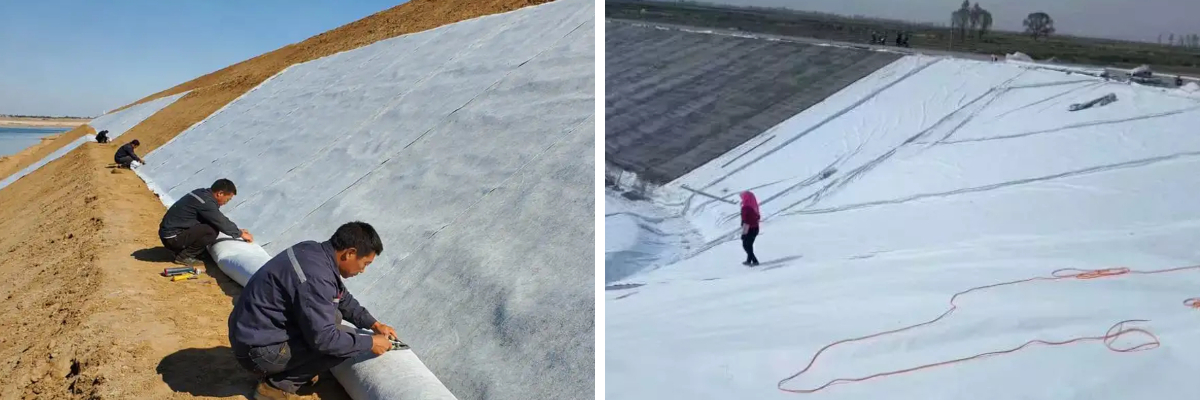
1. Water-facing slope: After slope reshaping, the geotextile is fully laid out, with the upper part overlapped and anchored, the lower part extended to the toe of the levee, and an outer layer of riprap or gabion revetment installed.
2. Land-facing slope drainage system: Drainage ditches and blind drains are completely wrapped with geotextile.
3. Layered embankment construction: Geotextile is laid as an isolation layer at each fill interface.
Ⅲ. Main Functions
The geotextile leverages its filtration, permeability, isolation, and erosion resistance properties—allowing water to drain while preventing soil particle loss. It separates revetment stones from the embankment soil, avoiding clogging of drainage paths and enhancing structural stability.
Ⅳ. Implementation Results
The solution effectively eliminated piping and seepage risks, ensured smooth drainage, significantly improved slope erosion resistance, upgraded the levee to meet flood control standards, and enabled reliable performance under prolonged high-water conditions during flood seasons, with low long-term maintenance costs.